The Line
Celiac-Safe Gluten-Free Sourdough: Oats, Flour Dust, Starters, and Cross-Contact
Celiac-safe sourdough is baked from gluten-free flours and a gluten-free starter in a kitchen protected from wheat flour dust. Fermenting wheat dough does not remove gluten. Use certified gluten-free oats or skip oats, never share a wheat starter, and treat a dedicated gluten-free kitchen as the standard when serving people with celiac disease.
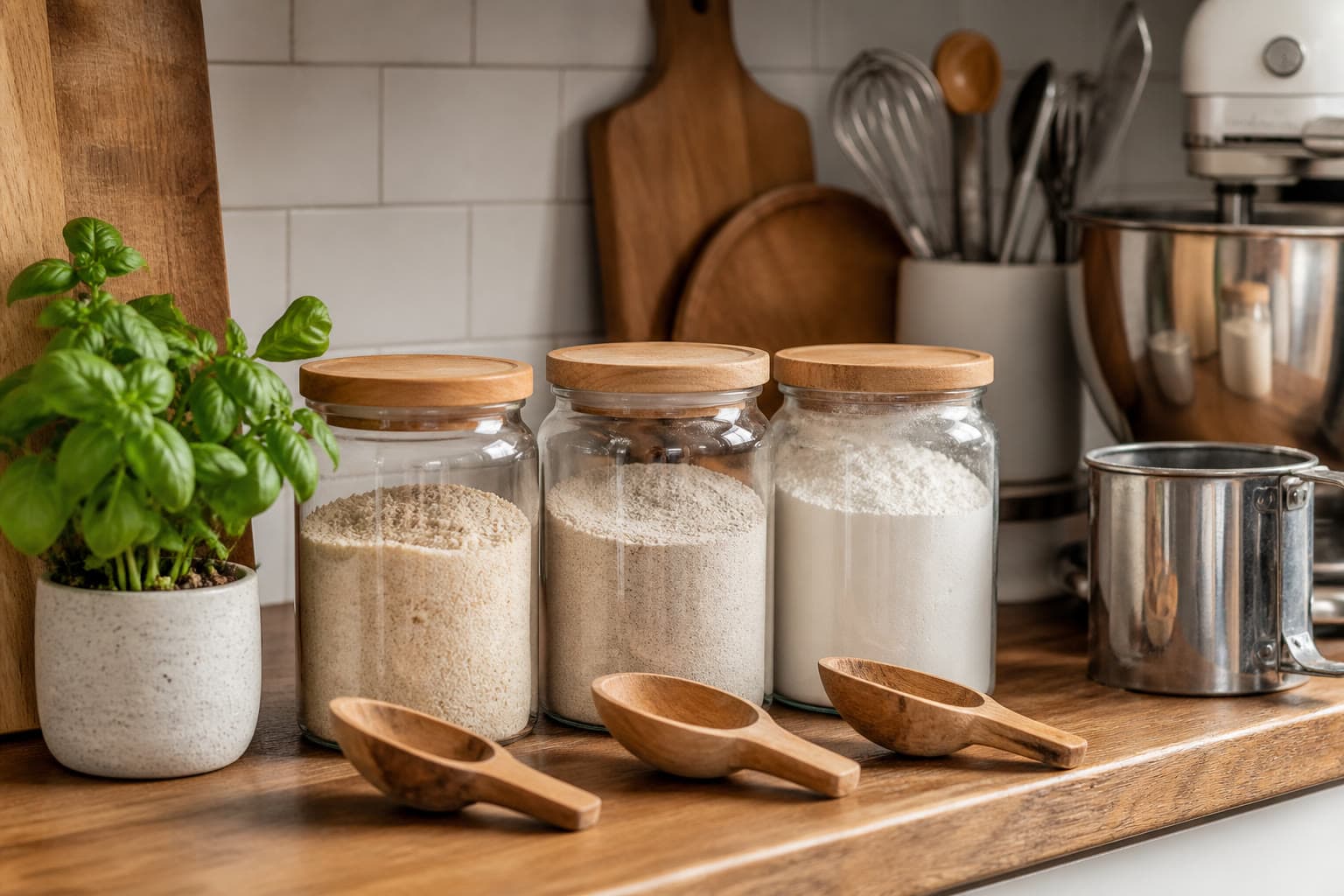
What this guide covers
Why gluten-free sourdough is not gluten-removed wheat, how we handle oats, shared starters, flour dust, labeling, and dedicated kitchen practice for celiac baking.
Key takeaways
- Long fermentation does not make wheat sourdough safe for celiac disease.
- Gluten-free sourdough must be made from inherently gluten-free ingredients and a gluten-free starter.
- A dedicated gluten-free kitchen is the gold standard when you bake for people with celiac disease.
- Wheat flour dust travels; shared towels, sieves, and wooden boards hold onto it.
- Never share a starter that has been fed wheat, rye, or barley.
- Oats should be certified gluten-free, and some people with celiac still avoid oats entirely.
- Read labels every time; formulations change, and 'wheat-free' is not the same as gluten-free.
- Label jars, bins, and loaves in a mixed household so sleepy hands do not grab the wrong culture.
- This guide is kitchen practice, not medical advice; work with a clinician for personal diagnosis and diet.
- When hosting, say what you know: ingredients, mill testing, and whether the kitchen is dedicated.
The direct answer: what 'celiac-safe sourdough' can mean
In this kitchen, celiac-safe sourdough means bread made from inherently gluten-free flours, water, salt, psyllium, and a starter that has never been fed wheat, rye, or barley, mixed with tools and surfaces that are not carrying wheat flour dust. It does not mean wheat bread that sat on the counter a long time. It does not mean 'gluten-removed' wheat starch unless a product is actually labeled gluten-free to a tested standard you accept—and even then, that is a different ingredient family than our whole-grain loaves.
We are home bakers in Indianapolis, not clinicians. This guide is about kitchen practice: oats, shared starters, dust, labels, and how we talk to guests. It is not a diagnosis, a challenge test, or a promise that a homemade loaf matches a certified facility.
If you bake for someone with celiac disease, the dedicated gluten-free kitchen is the standard we take seriously. Mixed kitchens can reduce risk; they cannot brag it down to zero.
Why gluten-free sourdough is not gluten-removed wheat
A persistent myth says that sourdough fermentation 'eats the gluten' until wheat bread becomes safe. Researchers have studied enzymes, long ferments, and sourdough bacteria for decades. None of that research is a home baker's permission slip to serve wheat boules to people with celiac disease. The proteins that trigger the autoimmune response remain a problem in ordinary wheat sourdough.
Gluten-removed or hydrolyzed wheat products, when they exist as industrial ingredients, are a labeling and testing conversation—not something you recreate by forgetting a poolish. Our recipes never start with bread flour and 'convert' it.
If a blog, a restaurant, or a relative offers 'sourdough' to a celiac guest, ask which grains. If the answer is wheat, the answer is no. You can still be gracious. You do not have to be experimental with someone else's villi.
Dedicated gluten-free kitchen practice
A dedicated gluten-free kitchen means no wheat, rye, or barley flours are milled, dumped, or baked in that airspace. That is the setup we recommend if celiac bread is a household staple. Shared houses sometimes dedicate a pantry, a toaster, a stand mixer, and a drawer of tools. That is better than nothing and worse than dedicated. Be honest about which one you have.
Toasters are crumb museums. Wooden spoons and porous cutting boards hold paste. Mesh sieves are dust cannons. We keep gluten-free-only versions of those. Parchment is cheap insurance on shared sheet pans. A dishwasher helps; a floury towel wiped across a 'clean' counter does not.
Guests with celiac have heard every version of 'I was careful.' Show them the dedicated toaster and the labeled sorghum bin. Then let them choose.
- Dedicated: mill, bowls, scale, banneton, lame, Dutch oven, cooling rack, toaster, sponge.
- High-risk: wooden boards, cloth bags, wicker bannetons used for wheat, shared flour scoops.
- Process: mix gluten-free first on a clean day, or do not mix wheat at all.
Flour dust travels farther than your optimism
Wheat flour aerosolizes. It sits on the fridge, the spice rack, the dog. A gluten-free loaf proofing on the same counter as a bread-flour dump is not a cute rustic scene; it is a dusting of protein you cannot see. We do not mill wheat in this house. If you mill wheat, treat the room as contaminated for gluten-free work until you have cleaned like you mean it.
Air vents, mixer splash, and kids clapping a bag of flour are the unglamorous vectors. Wipe with wet cloths, not dry ones that puff the problem onward. Change the towel.
Outdoor milling or a separate garage baker's bench is a real strategy some mixed households use. So is 'wheat bread is bought, gluten-free bread is homemade.' Choose a policy and keep it.
Oats: certified gluten-free, or skip them
Oats do not contain wheat gluten, but they are frequently tangled with wheat in fields, trucks, and mills. Certified gluten-free oats are produced and tested to reduce that contamination. Uncertified rolled oats in a sourdough porridge bread are a common, avoidable mistake.
A separate issue: avenin, the oat protein, bothers some people with celiac disease even when the oats are certified. That is personal and medical, not something a baker decides for a guest. We offer oat-free loaves (brown-rice sorghum country, teff-buckwheat dark, classic house loaf) as the default when we do not know.
If a recipe on this site uses oats, we mean certified gluten-free oats. If you cannot find them, skip the inclusion rather than 'just using the canister from breakfast.'
Labeling bags, bins, and the bread itself
Read the flour bag every time you repurchase. Mills change co-packers. A starch can pick up a wheat-facility note. 'Wheat-free' can still include barley malt. 'Natural flavors' can hide a mess. For celiac baking we prefer short ingredient lists and brands that publish test thresholds.
Psyllium, baking powder, spices, and chocolate chips all have cross-contact stories. We are not trying to make you afraid of cumin. We are trying to make you read the one bag you dump by the cup into bread.
When we give a loaf away, we write: gluten-free sourdough, grains used, whether oats are in it, and 'baked in a dedicated GF kitchen' or 'baked in a mixed kitchen' as the truth. Quiet honesty travels better than a cute bakers twine lie.
Cross-contact at home: the boring checklist
Hands, sponges, butter dishes with wheat crumbs, shared jam jars with toast shrapnel, the stand mixer splash guard, the oven mitt you used to drag a wheat pizza stone. This is not theoretical. Claire has watched a knife go from wheat toast to the gluten-free butter and said the sentence that saves dinner.
Serve gluten-free bread with its own board and knife. Do not put it next to a wheat baguette on the same wooden slab as a 'rustic abundance' photo. Abundance is easy. Safety is a second board.
Kids' play dough, pet food, and bulk-bin scoops at the grocery are other people's cross-contact. You cannot control the bulk bin. You can control whether you scoop from it for celiac bread.
Shopping and brands without turning it into a personality
We buy sorghum, rice, teff, buckwheat, and starches from mills that talk about gluten testing when the loaf is for celiac eaters. We keep receipts and lot numbers for a minute, not forever. If a guest is extremely sensitive, we tell them what we know and what we do not certify.
Indianapolis grocery reality: certified oats and teff are easier than they were five years ago and still disappear sometimes. If the certified bag is gone, we do not substitute the cheap oats. We bake the oat-free loaf.
International flours can be wonderful and poorly labeled. When in doubt, they go in non-celiac experimental bakes, not in the sandwich for the person who asked for celiac-safe bread.
Hosting and sharing bread
Ask what the person needs. Some want a dedicated kitchen only. Some are comfortable with careful mixed-kitchen baking. Some will eat only packaged certified product. All of those are allowed. Your loaf is not a test of their commitment to 'real food.'
Do not insist they try the crust. Do not say 'a little gluten is fine.' Do not say 'my other friend with celiac eats wheat sourdough.' Those sentences are why people bring their own crackers.
If they decline, offer fruit, cheese, or a packaged gluten-free option you have not cross-contacted. Stay friends.
What we actually do in this Indianapolis house
Our published default is gluten-free grains, a gluten-free starter, certified oats or no oats, and the methods in the hub guide. We treat dedicated handling as part of the recipe, not a footnote. We cool loaves 2 hours because that is bread quality; we wash the board because that is respect.
We will not tell you that homemade equals certified facility. We will tell you our ingredients, our starter's diet, and whether wheat flour was in the room. That is the whole ethic.
If you need medical guidance, that is a clinician. If you need a loaf that was not a wheat experiment, that is this site.
FAQ
Can people with celiac disease eat sourdough bread?
They can eat sourdough made entirely from gluten-free ingredients, handled away from wheat flour. Traditional wheat sourdough is not safe for celiac disease, even when fermented a long time.
Does fermentation destroy gluten in wheat bread?
No. Fermentation does not turn wheat bread into gluten-free bread. Do not rely on sourness, long bulk ferments, or anecdotal 'I eat it fine' stories for celiac safety.
Are oats gluten-free and safe for celiac?
Oats are gluten-free as a plant but are often contaminated with wheat. Choose certified gluten-free oats. Some people with celiac still react to oat protein (avenin) and avoid oats altogether.
Can I keep a wheat starter and a gluten-free starter in the same kitchen?
Not if you are trying to serve celiac-safe gluten-free bread. Flour dust, shared spoons, and lids make cross-contact likely. Dedicated space and tools are the serious approach.
Is rye sourdough gluten-free?
No. Rye contains gluten-related proteins and is not safe for celiac disease. Barley is not safe either. Stick to inherently gluten-free grains.
How do I avoid cross-contamination with flour?
Use a dedicated gluten-free kitchen if you can. If you cannot, use dedicated tools, skip wooden boards that soaked up wheat paste, wipe dust thoroughly, and do not mill wheat in the same airspace.
What does certified gluten-free mean on flour?
It means the manufacturer tests to a stated gluten threshold and follows a gluten-free production process. It is not a vibe. Keep the bag for lot information if a guest needs it.
Can I convert my wheat starter to gluten-free by feeding it rice flour?
Do not do this for celiac baking. Residual wheat paste and a history of gluten feedings are the problem. Start a new culture in a clean jar with gluten-free flour.
Is spelt or einkorn sourdough safer for celiac?
No. They are wheat-family grains. 'Ancient' does not mean gluten-free. They are not appropriate for celiac-safe bread.
Should I tell dinner guests how the bread was baked?
Yes, plainly. Say whether the kitchen is dedicated, whether oats are certified, and which mills you used. Let them decide. Never pressure someone with celiac to 'just try it.'
Bake from this
Related recipes
Artisan Loaves
BEGINNER
BEGINNER
NOV 14, 2025
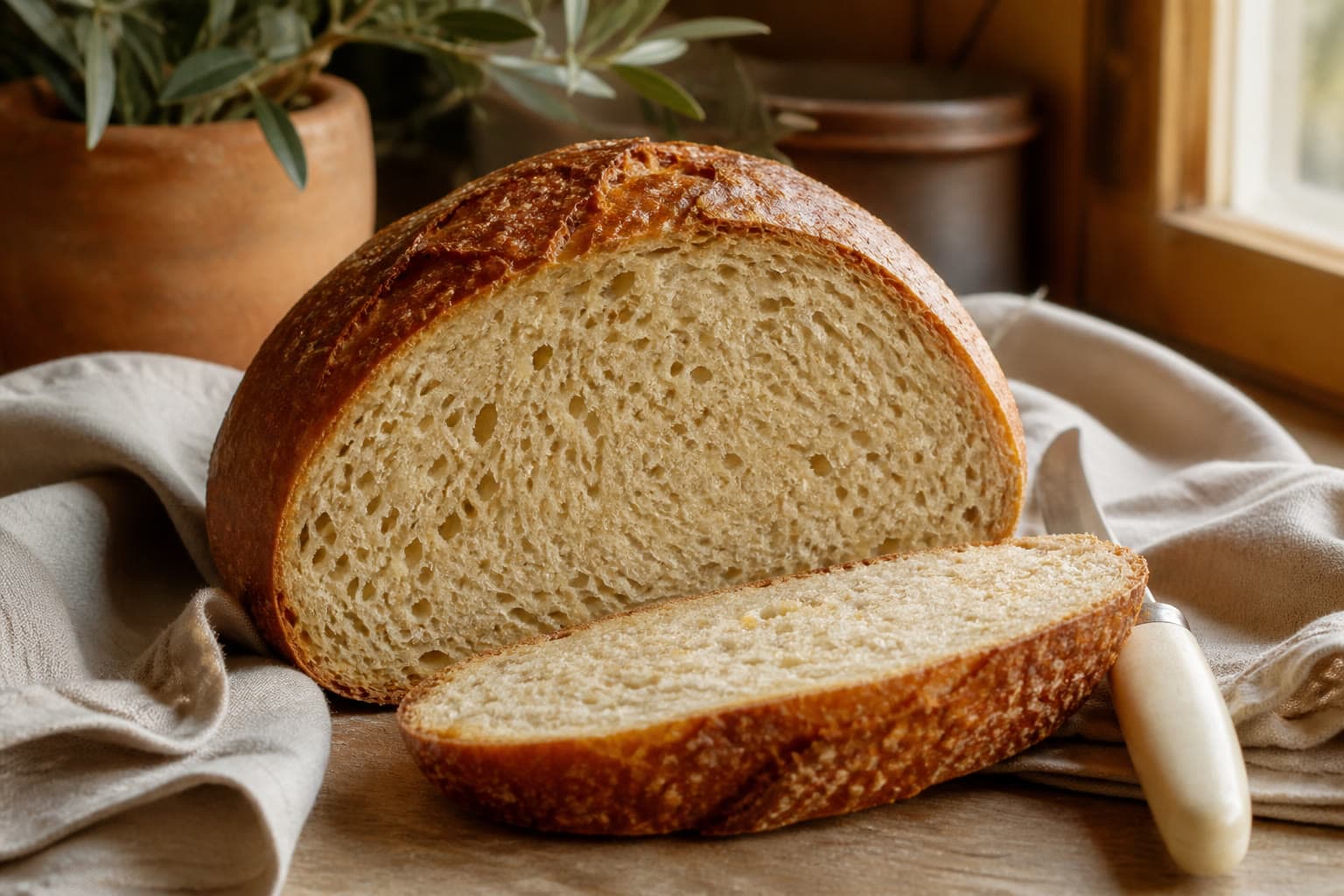
Classic Gluten-Free Sourdough
The beginner country loaf linked from our starter guide: brown rice, sorghum, tapioca, and psyllium powder at 5%.
Sandwich Breads
BEGINNER
SANDWICH
MAR 1, 2026
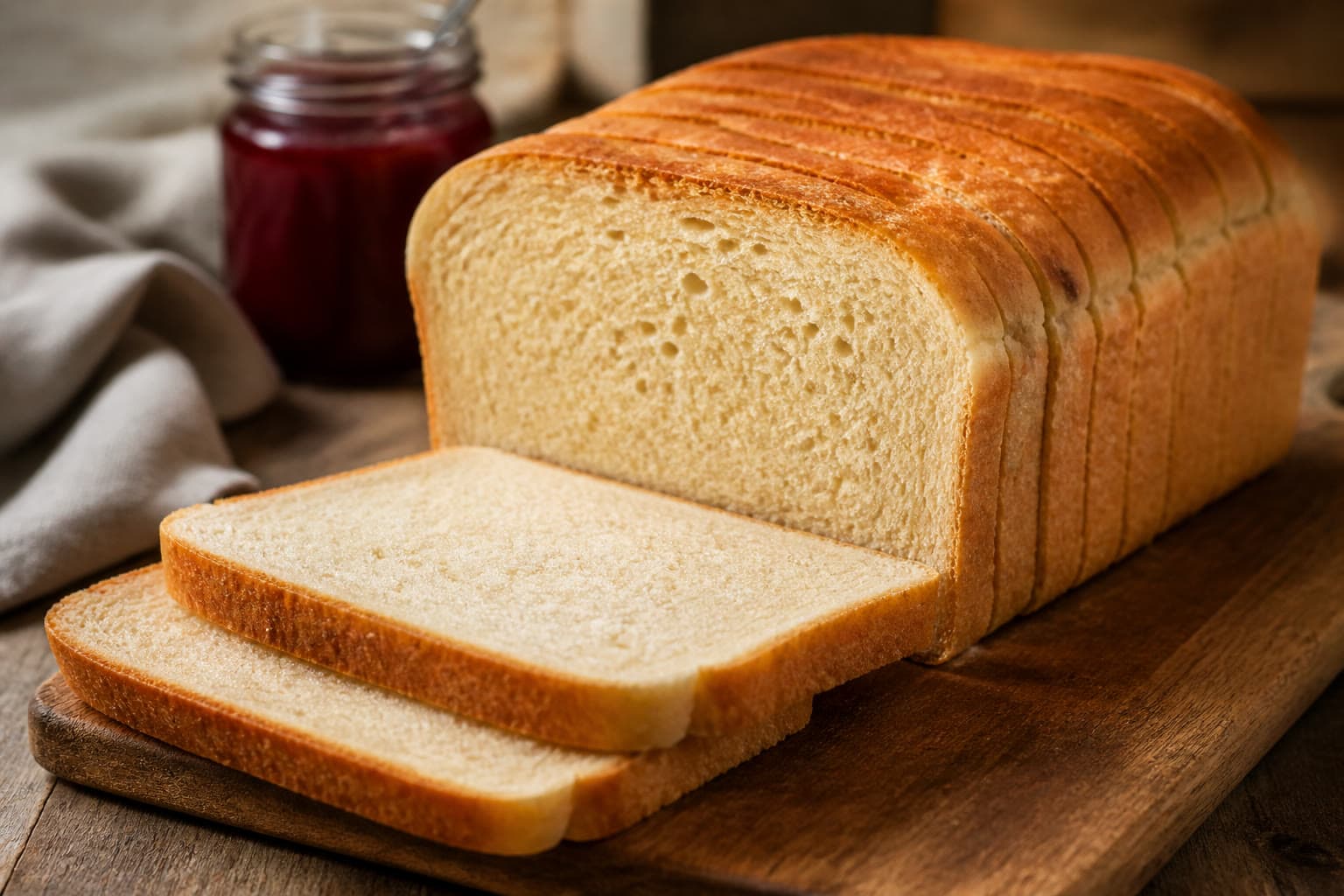
Gluten-Free Sourdough Sandwich Bread
A Pullman-style pan loaf with extra starch, milk, and 4.5% psyllium for square, toastable slices.
Breakfast
INTERMEDIATE
ENGLISH MUFFINS
MAR 1, 2026
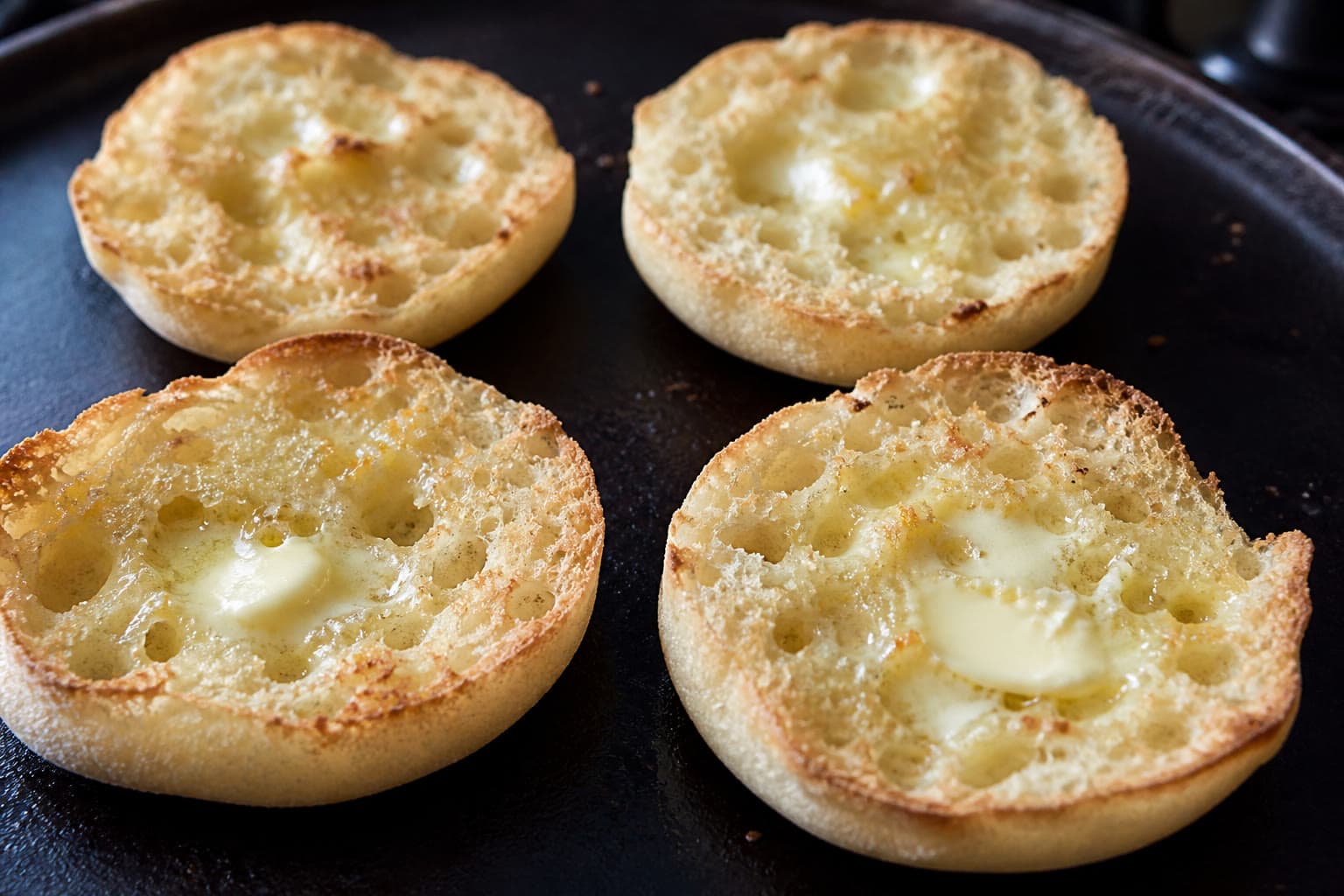
Gluten-Free Sourdough English Muffins
Griddled, then briefly oven-finished. Fork-split for nooks that hold butter the way an English muffin should.
Artisan Loaves
BEGINNER
COUNTRY LOAF
DEC 2, 2025
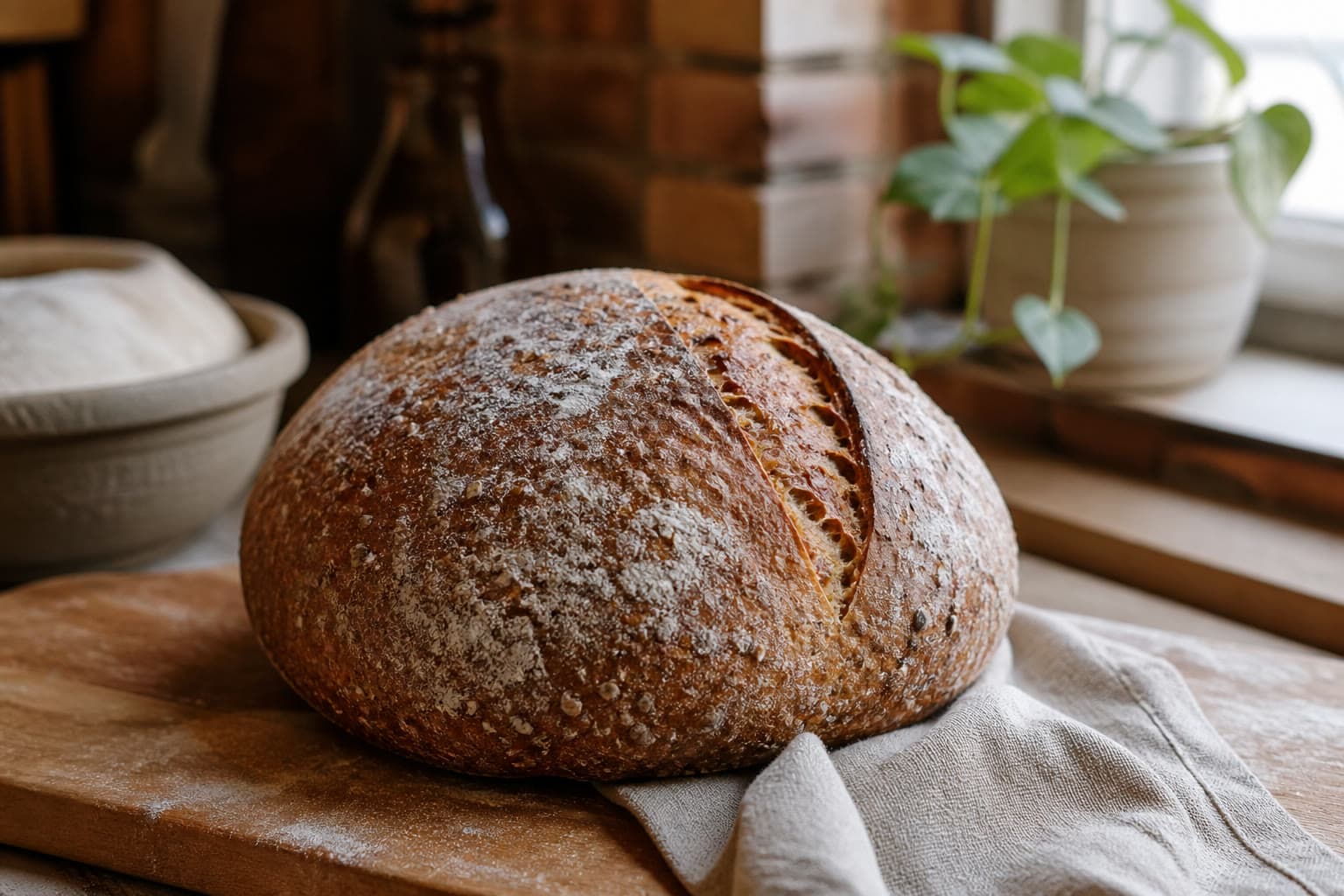
Brown Rice Sorghum Country Loaf
A rice-forward country loaf with sorghum sweetness, a little potato starch, and whole psyllium gelled 10:1 before mixing.