The Clinic
Gluten-Free Sourdough Troubleshooting: Dense, Gummy, Collapse, and More
Most gluten-free sourdough failures come from slicing too soon, baking below about 205-210F inside, missing the starter's peak, or mismatching water and psyllium. Cool 2 hours before judging crumb. Keep hydration near 90-110% and psyllium near 4-7%, and change one variable at a time.
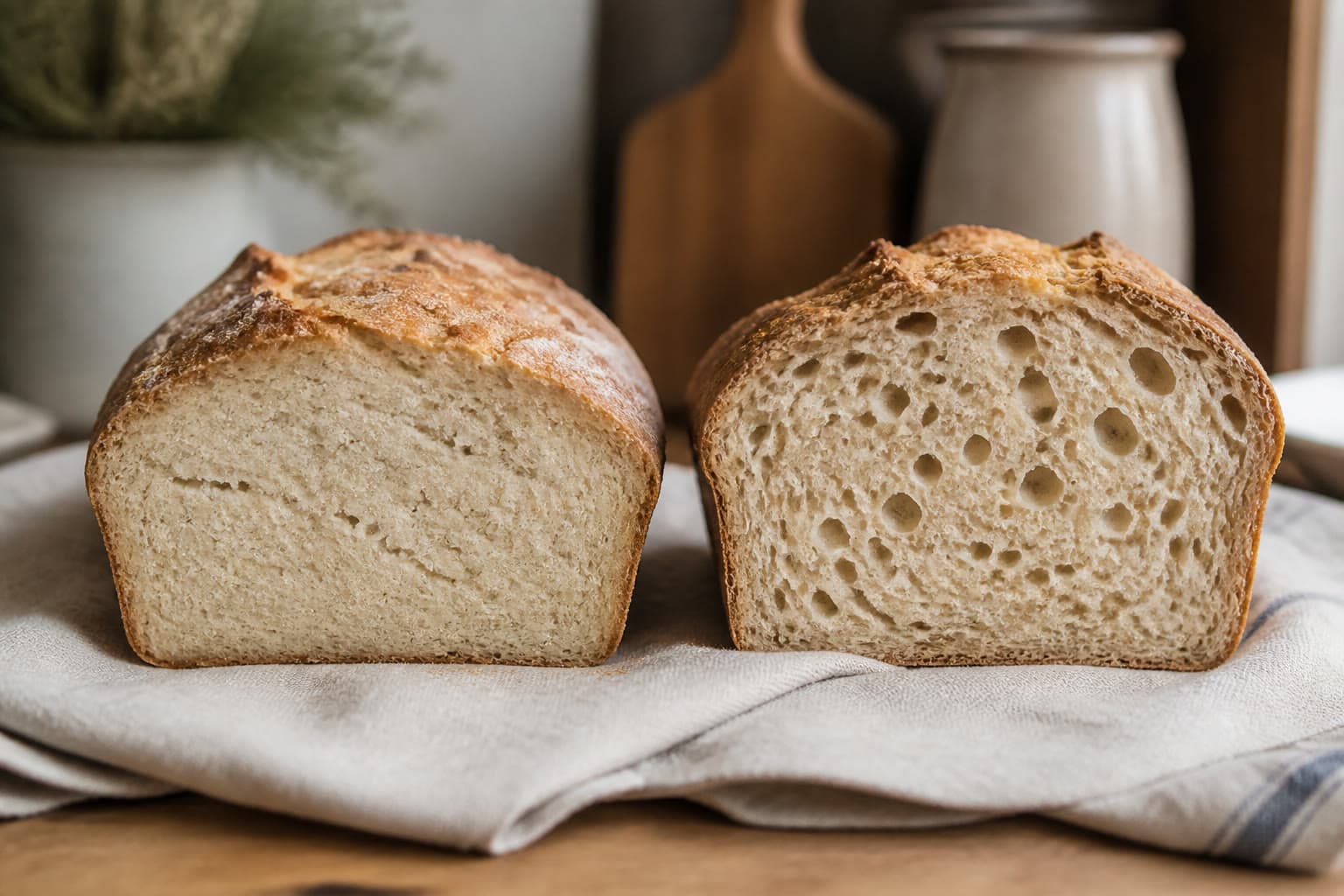
What this guide covers
A diagnostic guide for dense crumb, gumminess, no rise, collapse, pale crust, harsh sour, purple dough, and spreading loaves, written from real Indianapolis bakes.
Key takeaways
- Slice only after a 2-hour cool before you diagnose gumminess; hot crumb always smears.
- Dense bread is usually weak starter, underproof, too little water, or too much psyllium powder.
- Gummy bread after a full cool is usually underbaked (center under ~205-210F), too much starch, or hydration above what the husk can hold.
- No rise means the culture was not at peak, the dough was too cold, or salt and acid stalled a young starter.
- Collapse is typically overproof, too little psyllium, or a brutal oven-door slam on a maxed-out gel.
- Pale crust wants more heat, more whole-grain flour, a longer uncovered bake, or less leftover steam.
- Harsh sour is overproof, a collapsed starter, or a long warm ferment in an August kitchen.
- Purple dough is usually the psyllium lot, not mold; switch to blonde husk if the color bothers you.
- Spreading means the gel is too weak or the dough is too wet for 4-7% husk at that blend.
- Change one variable per bake: water, psyllium, time, or heat, not all four in a panic.
- A pan is a valid fix. Not every dough wants to be a boule.
Diagnose before you throw flour at the problem
Gluten-free sourdough fails in a handful of repeatable ways. The crumb is dense, gummy, or both. The loaf does not rise. It rises and then collapses. The crust stays pale. The flavor is a vinegar slap. The dough is purple. The boule spreads. Each of those has a short list of causes rooted in starter strength, the 90-110% hydration window, 4-7% psyllium, heat, and time.
Before you change the formula, ask three questions. Did I cool at least 2 hours before slicing? Was the starter at peak, not collapsed? Did I weigh husk and water? If the answers are no, no, and no, you do not have a mystery. You have a process.
This page is the clinic Andrew and Claire run on our own mistakes. We still make them. We just make them smaller, and we write them down.
Dense crumb
Dense means the slice feels like a doorstop and the holes are tiny or absent. The usual story is not enough gas, or gas that escaped, or a gel so tight it would not inflate. Weak starter is first: if the jar barely stirred after a feeding, the loaf will not do better work than the jar did. Mix at peak.
Underproof looks similar. The dough never got jiggly. In a 68F Indianapolis winter kitchen, a 'one hour proof' can be a nap. Move the bowl somewhere in the mid-70s or extend the time. Over-tight powder (whole-husk grams used as powder grams) also densifies. Convert at ~85%.
Low hydration, below the 90% neighborhood for many blends, will not let starch and husk move. The dough looks shapable and bakes like clay. Add water a teaspoon at a time on the next bake, after the rest, until it mounds with a gloss.
- Starter at peak, not 12 hours past.
- Proof until jiggly, not until the timer from a wheat recipe dings.
- Convert psyllium powder. Do not 1:1 it with husk.
- Do not confuse dense with 'needs more kneading.' Kneading will not invent gluten.
Gummy crumb
Gummy is a shiny smear on the knife and a wad in the mouth. If the loaf is still warm, stop diagnosing. Cool 2 hours, preferably more for a large boule, then cut again. Hot psyllium-starch gel is supposed to look wet.
If it is still gummy cold, check internal temperature. We want about 205-210F in the center. Pale, wet middles at 190F are underbaked, even if the crust already colored. Gluten-free loaves often need a longer uncovered bake than your wheat memory suggests.
Formula causes: starch percentage too high, hydration above what 4-7% psyllium can set, or a commercial blend already full of xanthan plus a heavy husk dose. Next bake, add whole-grain flour, drop water a few points, or drop psyllium if the crumb is rubber-gummy rather than wet-gummy. Rubber and wet are different: rubber is too much gel; wet is unset starch.
No rise
A loaf that never moved in the banneton had no living lift, or the gel was so cold the yeast sat down. Look at the starter first. A culture that doubles in 4-6 hours at 75F is ready. A culture that smells like paint thinner and sits under a layer of hooch needs two or three feedings, not a pep talk in the dough.
Salt stacked on a tiny inoculation can stall a young starter. Using discard from the fridge, unfed, as if it were peak starter is the same error in a friendlier sweater. Discard is for pancakes. Loaves want peak.
Water that is hot enough to feel steamy can kill yeast. We mix with cool room-temp water in summer and barely tepid water in winter. Chlorine in unfiltered tap water is a bigger deal for a three-day-old starter than for a veteran jar.
Collapse in the oven or on the rack
Overproofed gluten-free dough is a foam that already popped. It may look impressively jiggly, then slump when you invert the banneton, then bake into a Frisbee with a wrinkled top. Shorter proof, cooler room, or a fridge retard after a short warm period will hold the gas until heat sets the structure.
Too little psyllium looks like collapse too, but the dough was already spreading on the counter. Increase toward 6-7% or drop hydration. A Dutch oven that was not fully preheated lets the loaf melt before the crust exists.
Occasionally a loaf inflates, then deflates when you unlid because the gel was still liquid in the center. That is an underbake masquerading as a collapse. Give it more covered time or more heat, then still cool 2 hours before you write the obituary.
Pale crust
Rice-and-starch loaves brown like shy toast. Sorghum, teff, buckwheat, and a longer uncovered bake brown like bread. If you love a pale blend for flavor, you still have to dry the surface: lid off, 15-25 minutes, 450F-ish, until mahogany feels possible.
Steam is for the first phase. Endless steam is for pale leather. Take the lid off. If you bake on a steel without a vessel, use a covered pan or a tray of water only at the start.
Sugar, milk powder, and honey brown faster. We do not add them just for color in a country loaf, but a sandwich bread with a teaspoon of honey will color more willingly. Do not burn a teff loaf chasing a sorghum color target; dark flours go from rustic to bitter.
Overly sour or harsh
Tang is the point. Nail-polish, dirty-sock, or battery-acid is a scheduling problem. Lactic and acetic acids build as fermentation continues, especially when the dough is warm and the starter was already acidic. Mix at peak, not after collapse. Prefer a cold retard to an overnight counter proof in July.
Whole-grain dark loaves taste more sour because they have more flavor compounds, not necessarily more acid. If the teff-buckwheat loaf is 'too much' for a kid's sandwich, that may be the blend, not a fault. Use the sandwich formula for lunch; save the dark loaf for cheese.
A starter maintained with regular feedings stays milder than a fridge jar you forget for three weeks and then dump into dough. Wake it up. Two feedings is cheaper than a composted loaf.
Purple or gray dough
This is almost always psyllium lot color, especially with some Indian or dark husks. Blonde husk is the culinary fix. Baking soda can worsen discoloration; we do not add soda to sourdough gels to 'help them rise' anyway.
Rule out mold: mold is not a uniform lavender gel at mix. Rule out blueberries: we have put leftover lemon-blueberry discard pancake energy into a bowl and confused ourselves. If the only unusual ingredient is husk, it is the husk.
Safety for celiac is unrelated to purple. Pigment is not gluten. If the loaf otherwise smells like sourdough, bake it or switch brands next time for aesthetics.
Spreading, puddling, and the pancake boule
If the dough pours after a full rest, you are over the gel's ability to hold. Causes: hydration above ~110% for that blend, psyllium under 4%, powder under-converted, or a starch-heavy mix with no whole-grain friction. Fixes: more husk toward 6-7%, less water, more sorghum/teff, a tighter banneton, or a loaf pan.
Bannetons without lining can stick and tear the skin, which then spreads as you scrape. Line with a well-floured towel (use rice flour) or a liner. Wet hands, not extra bench flour dumped into the dough, are how you shape.
Pizza and focaccia are allowed to spread. They live in pans. Do not troubleshoot a focaccia for not being a boule. Troubleshoot a boule for not being a boule.
Dry, crumbly, or sandy (the other failure)
Not on the headline list, but we see it. Too much rice grit, too little starch, too little water, overbake, or a loaf left unwrapped in January furnace air. Increase tapioca or potato starch slightly, stay in the hydration window, and store cut-side down after a complete cool.
Crumbling without grit often means not enough psyllium or a xanthan-free cake blend used as bread flour. Add husk. Rest. The next slice should flex.
Quick diagnostic table
Use this when you are standing over a cooling rack being dramatic. Then take notes for Tuesday.
| What you see | Check first | Check second | Likely tweak |
|---|---|---|---|
| Dense | Starter peak | Proof time / room temp | Warmer proof or wetter dough |
| Gummy, warm | Cool 2 hours | — | Wait, then reassess |
| Gummy, cold | Internal 205-210F | Starch % and hydration | Longer bake or less water |
| No rise | Starter strength | Dough temperature | Peak starter, 75F proof |
| Collapse | Overproof | Psyllium % | Shorter proof or more husk |
| Pale crust | Uncovered bake | Blend browning | More heat, more whole grain |
| Harsh sour | Long warm ferment | Collapsed starter | Peak mix, cold retard |
| Purple | Psyllium brand | Mold vs pigment | Blonde husk next time |
| Spreading | Hydration vs 4-7% husk | Support (banneton/pan) | More gel or a pan |
When to start over (and when to bake the 'failure')
Moldy starter: start over. Wheat contamination in a celiac kitchen: start over, and read the safety guide. Pink or orange streaks in a jar: start over. A spreading dough on bake day: bake it in a pan with olive oil and call it focaccia. An oversour dough: bake it, then make croutons or strata if the flavor is too much for sandwiches.
The goal is bread on the table, not a perfect object. We have served pancake-flat boules with soup and nobody filed a report. Then we weighed the husk the next morning like adults.
FAQ
Why is my gluten-free sourdough so dense?
The starter was past peak or not strong, the dough was underproofed, hydration sat below ~90%, or psyllium powder was used 1:1 for whole husk. Dense also follows a cold kitchen and a short ferment.
Why is gluten-free bread gummy in the middle?
First ask whether you cooled 2 hours. If you did, the loaf was likely underbaked, overly starchy, or wetter than the 4-7% psyllium could set. Bake to 205-210F internal.
Why did my gluten-free sourdough not rise?
Use starter at peak, proof in the 75-78F range, and give 60-120 minutes same-day. A fridge-cold dough will look dead until it warms. Chlorine, tiny inoculation, or a brand-new starter can also stall lift.
Why did my loaf collapse in the oven or after baking?
Overproofed gluten-free dough has already used its gas. Too little psyllium cannot hold what gas remains. Sometimes the structure sets too late because the oven was not fully preheated.
Why is my gluten-free crust pale?
Starch-heavy blends brown slowly. Raise uncovered bake time, start hotter, add sorghum or teff, and make sure the Dutch-oven lid comes off so moisture can leave.
Why does my gluten-free sourdough taste too sour?
Long warm ferments favor acid. Feed the starter and mix at peak, shorten proof, or retard in the fridge instead of on a 78F counter. A hoochy, collapsed starter makes sharp bread.
Why is my gluten-free dough purple?
Certain psyllium lots, often darker Indian husk, gel gray-purple. Blonde husk usually does not. It is typically cosmetic. See the psyllium guide.
Why does my gluten-free boule spread into a pancake?
The gel is too weak for the water. Increase psyllium toward 6-7%, drop hydration a few points, use a banneton that actually supports the sides, or bake in a pan.
Why does my loaf smell like alcohol or nail polish?
Hungry starter and extended warm fermentation produce sharp volatiles. Feed more often, mix sooner, and avoid leaving shaped dough out overnight in an Indiana summer kitchen.
Can I save an overproofed gluten-free dough?
You cannot rebuild gluten that was never there. Scrape it into a pan as focaccia, dimple, oil, and bake. Next time shorten the proof or use a colder schedule.
Bake from this
Related recipes
Artisan Loaves
BEGINNER
BEGINNER
NOV 14, 2025
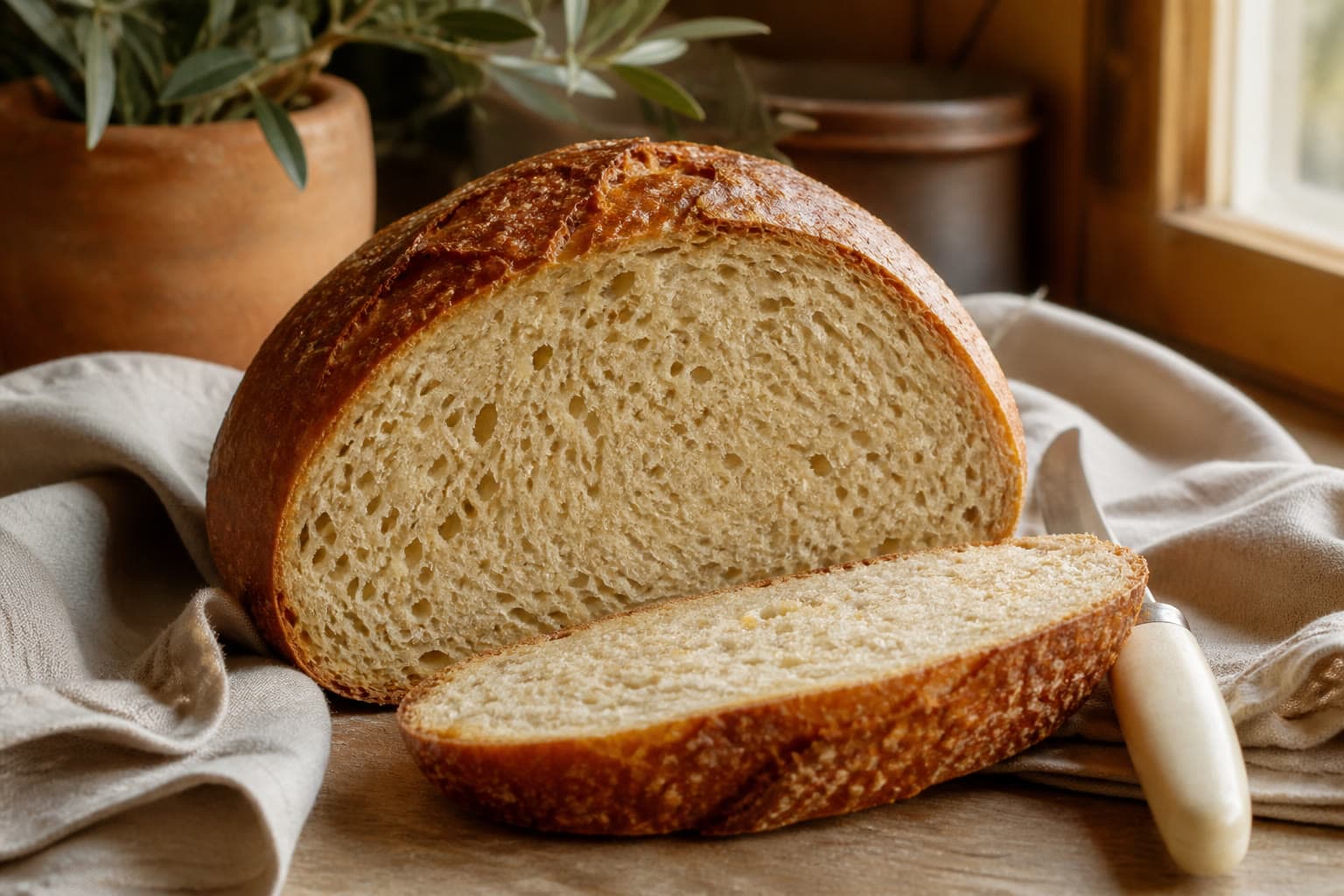
Classic Gluten-Free Sourdough
The beginner country loaf linked from our starter guide: brown rice, sorghum, tapioca, and psyllium powder at 5%.
Artisan Loaves
INTERMEDIATE
GLUTEN FREE SOURDOUGH
NOV 7, 2025
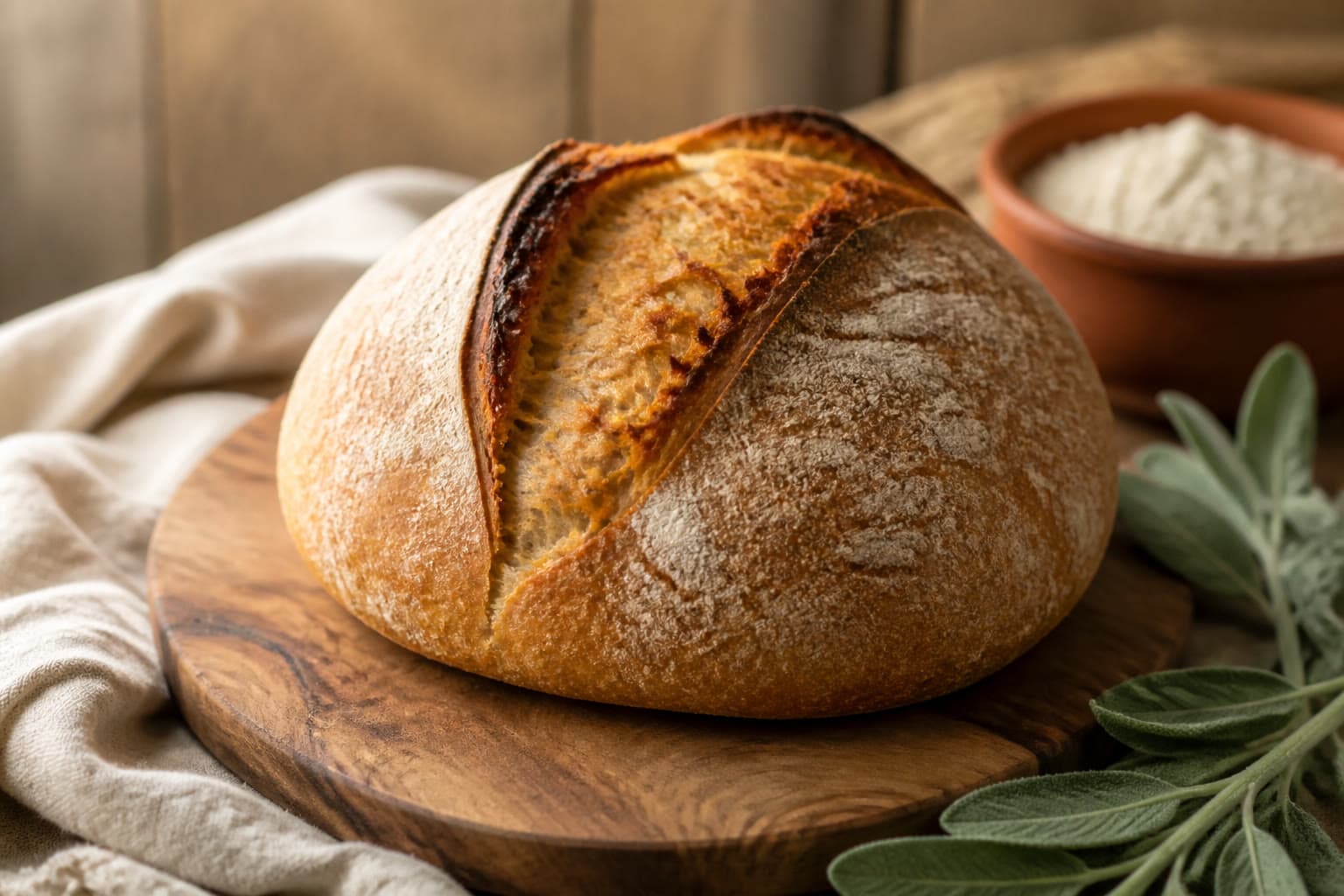
Artisan Gluten-Free Sourdough Bread
Our upgraded house boule: King Arthur gluten-free bread flour, whole psyllium husk, and a 500F Dutch oven for a blistered crust.
Sandwich Breads
BEGINNER
SANDWICH
MAR 1, 2026
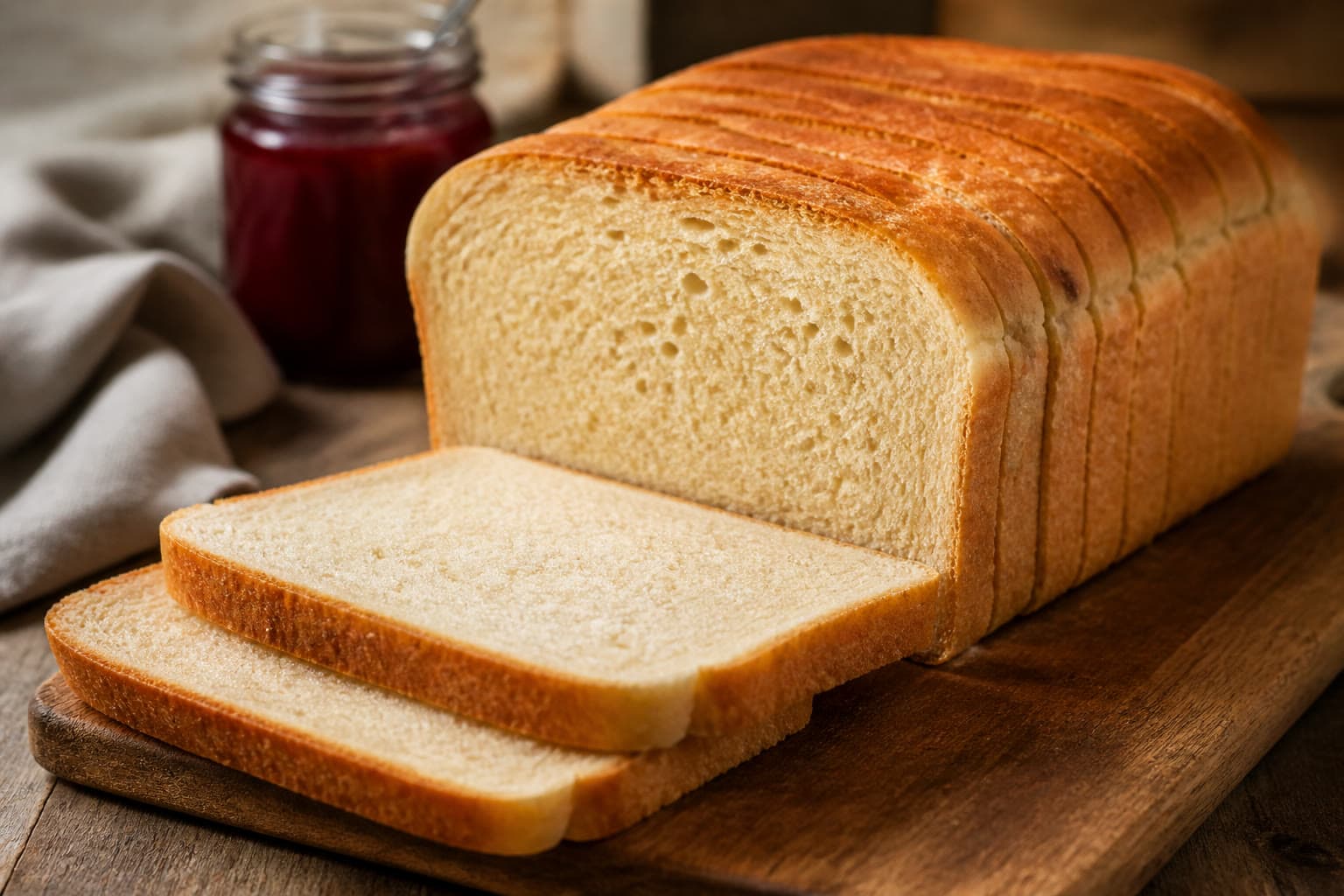
Gluten-Free Sourdough Sandwich Bread
A Pullman-style pan loaf with extra starch, milk, and 4.5% psyllium for square, toastable slices.
Artisan Loaves
INTERMEDIATE
TEFF
DEC 18, 2025
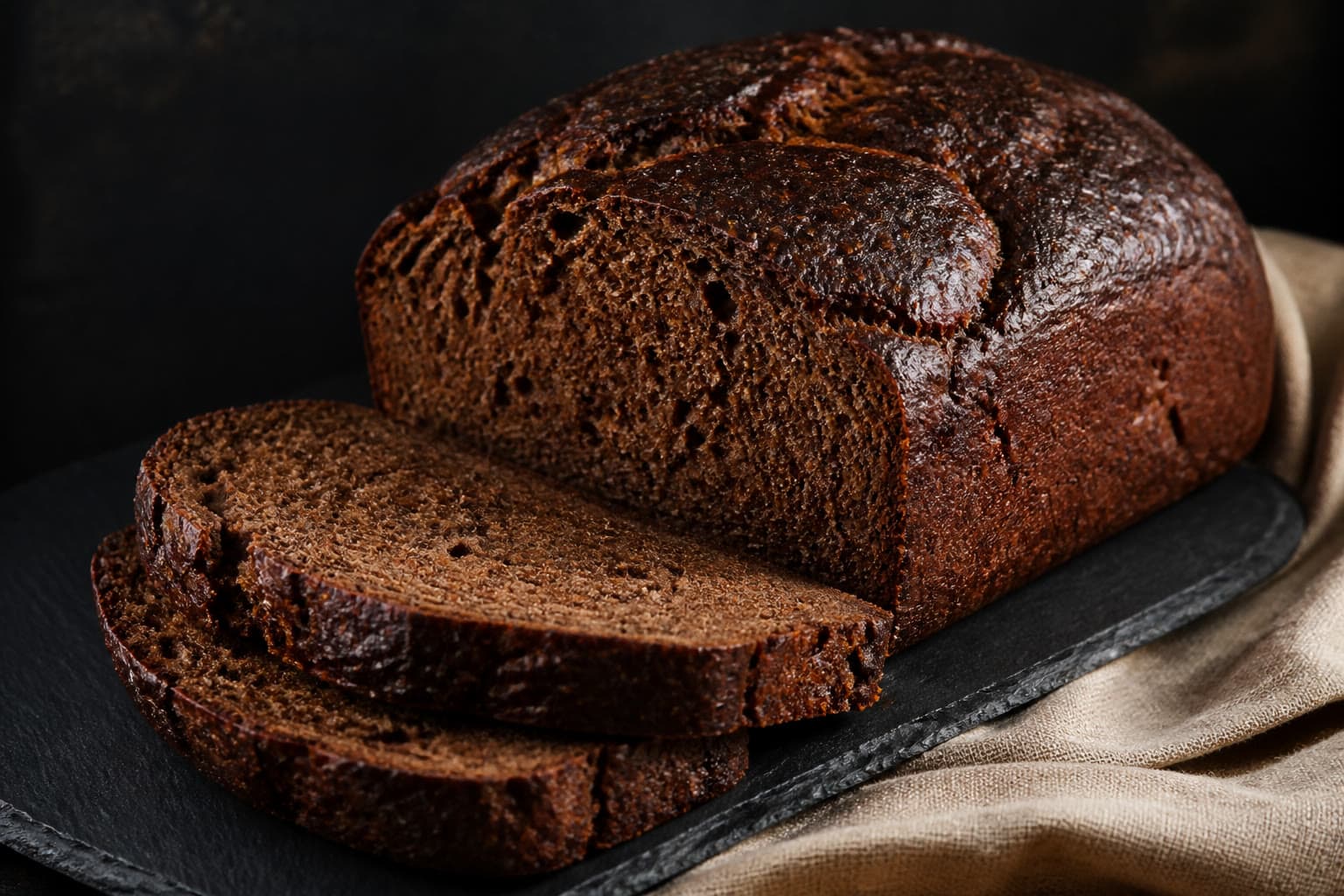
Teff Buckwheat Dark Loaf
A molasses-optional dark loaf with teff and buckwheat for rye-like depth — no rye, wheat, or barley in the formula.