The Gel
Psyllium Husk in Gluten-Free Sourdough: Gel, Powder, and Baker's Percent
Psyllium husk replaces gluten's job of holding a loaf together. Use 4-7% of the flour weight, or about 5-7% for free-standing boules. If you swap to powder, use about 85% of the whole-husk weight, bloom it in water, and rest the dough so the gel can set before baking.
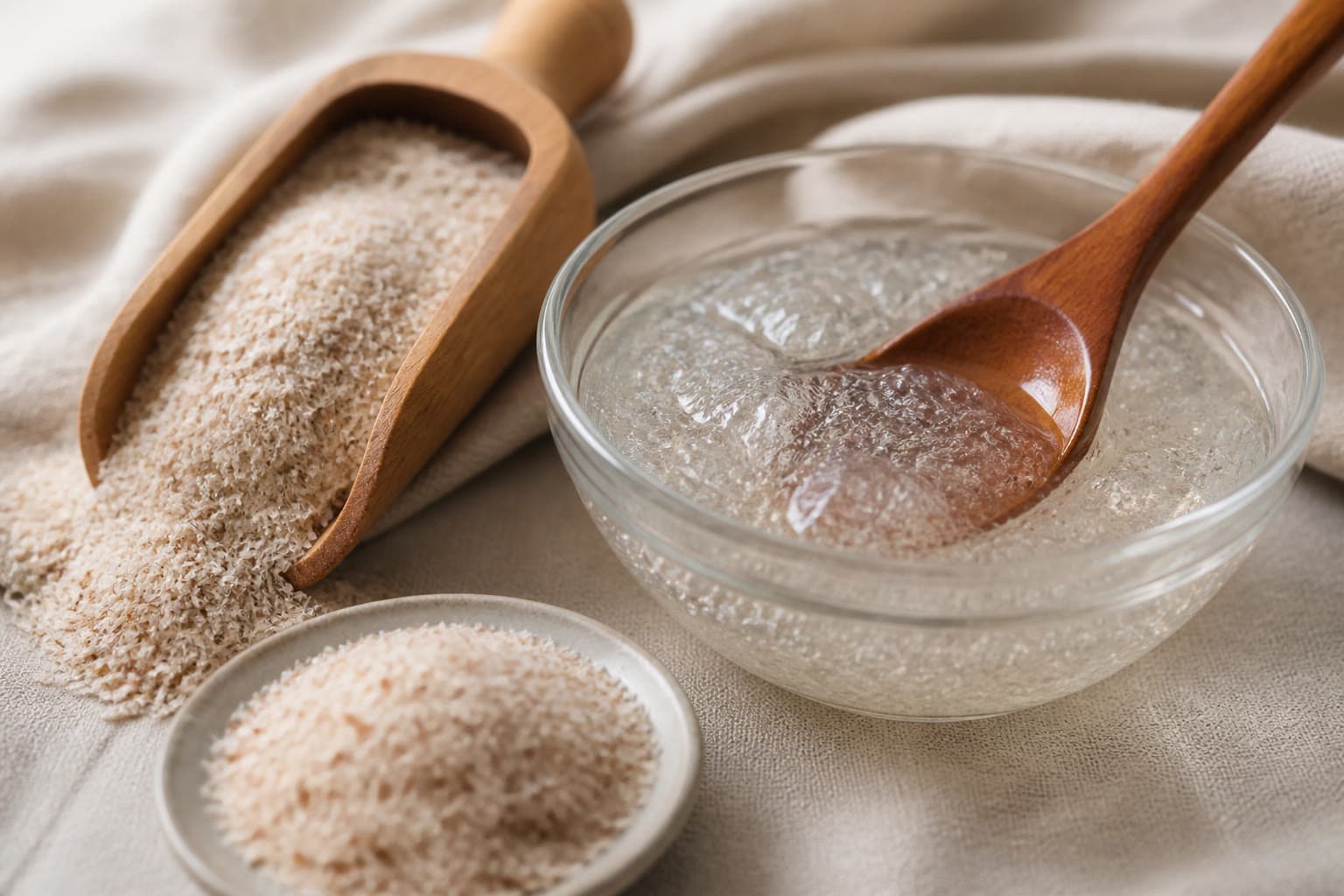
What this guide covers
How whole husk and powder structure gluten-free dough, why we use 4-7% baker's percent, how to convert the 85% powder rule, and what to do when the gel turns purple.
Key takeaways
- Psyllium is the primary structure in our gluten-free sourdough, used at 4-7% of flour weight (often 5-7% for free-standing loaves).
- Whole husk and powder are not 1:1; powder is about 85% of the whole-husk weight for similar gelling power.
- Blooming psyllium in water (the gel method) makes hydration more even than dumping it dry, especially at high percentages.
- A 10-20 minute rest after mixing is mandatory so the mucilage can finish drinking.
- Blonde psyllium is less likely to tint dough gray-purple than some Indian or dark lots.
- Purple gel is usually pigment, not spoilage, but it is a reason to switch brands if guests eat with their eyes first.
- Xanthan gum is a different hydrocolloid; it does not replace a full psyllium dose in artisan loaves.
- Too much psyllium makes rubbery, tight crumb; too little makes puddles and spreading.
- Weigh psyllium. A tablespoon of powder is not a tablespoon of whole husk.
- Store husk airtight; it is a fiber sponge and will pick up kitchen odors and humidity.
The direct answer: what psyllium is doing in the dough
Psyllium husk is the ground seed coat of Plantago ovata. Mixed with water it forms a mucilage, a thick gel that stretches just enough to trap fermentation gas and to keep a high-hydration gluten-free dough from flowing into a pancake. In baker's percent we use 4-7% of the flour weight, and for free-standing loaves we live most often in the 5-7% band.
It is not gluten. It does not windowpane. It does not let you laminate like croissant dough. It is a hydrocolloid with a home-kitchen personality: cheap, powerful, slightly grassy if you use too much, and completely transformative if you weigh it.
Andrew used to sprinkle psyllium 'until it looked right.' Claire put a scale under the bowl. The scale won. Every loaf on this site assumes you will weigh the husk.
Why gluten-free bread needs a hydrocolloid
Wheat dough is a protein mesh with starch stuck in it. Gluten-free dough is starch and water trying not to separate. Heat gelatinizes starch, which is good, but during proof you need something that is already viscous at room temperature. Eggs, gelatin, xanthan, guar, flax, and psyllium can all thicken. Psyllium is the one that most closely mimics the 'I can shape this' feeling of bread dough without turning the crumb into a gummy candy.
Skip the hydrocolloid and a 100% hydration sorghum blend is cake batter. It will bake, sometimes even rise, and it will slice into something that tastes like steamed grain. The husk is how we get a boule, a bagel, a pizza round you can pick up.
If you cannot use psyllium, you are in a different recipe family: egg-rich sandwich breads, xanthan-forward quick doughs, or pan loaves that never leave the tin. We can still be friends. This guide will not pretend those swaps are invisible.
Gel method versus mix-in
Gel method: whisk whole husk or powder into a portion of the formula water (often 3-4 times the husk weight, or simply most of the water) and wait 5-10 minutes. You should get a spoonable, slightly elastic mass. Mix that with starter and remaining water, then add flours and salt. The advantage is even hydration and fewer dry specks.
Mix-in method: whisk psyllium through the dry flours, add liquids, mix hard, then rest. This works beautifully at 4-5% when you are making sandwich bread or pancakes. At 6-7% in a wet focaccia dough, mix-in is easier to under-hydrate in spots. Those spots steal water later and leave tunnels or dry streaks.
We gel artisan loaves and pizza. We mix-in some discard batters. If a dough looks curdled after mixing, you probably added powder to a small amount of water and it seized. Whisk harder, add water, wait. The gel almost always recovers.
- Gel: more even, better above 5% psyllium, extra bowl.
- Mix-in: fewer dishes, needs a thorough rest, watch for specks.
- Either method still needs the post-mix rest. The husk is not done when you are bored.
Whole husk versus powder and the 85% rule
Whole husk looks like pale flakes. Powder looks like flour. Powder hydrates faster and packs more gelling power into each gram because grinding increases surface area and the product is denser. In our notes, powder is about 85% of the whole-husk weight for a similar dough. 20g whole husk ≈ 17g powder. 27.5g whole husk on a 500g flour loaf at 5.5% ≈ 23g powder.
Do not convert by volume. A tablespoon of powder can be double the husk flakes. This is the most common 'my bread turned into a bouncy ball' error we hear from otherwise careful bakers.
Powder can taste slightly more 'fiber-supplement' if you overshoot. Whole husk can leave tiny flecks that look like bran, which we like in a country loaf. If your eater is texture-sensitive, powder at the converted weight is smoother.
| Whole husk | Powder (start here) | On 500g flour |
|---|---|---|
| 4% / 20g | 17g | Soft pan loaf territory |
| 5% / 25g | 21g | Default sandwich or gentle boule |
| 5.5% / 27.5g | 23g | House country loaf |
| 6% / 30g | 25.5g | Wet focaccia or dark loaf |
| 7% / 35g | 30g | High-hydration, use gel method |
The 4-7% window, and when we use 5-7%
Below 4%, most 100% hydration doughs spread in the banneton and bake flat unless a pan is doing all the work. Above 7%, even with plenty of water, the crumb starts to squeak. You will see bakers online using 8-10% for very wet 'batter breads.' That can work. It is not the bread we want to toast on a weekday.
5-7% is the free-standing loaf band. Boules, batards, bagels that have to hold a hole, pizza that has to be lifted. 4-5% is the pan band: sandwich bread, English muffins in rings, some focaccia. If you change hydration, change psyllium with it. More water usually wants the upper half of the psyllium range so the gel still has something to hold.
Starter acidity can slightly thin a gel over a long retard. That is one reason an overnight fridge proof can look slacker in the morning even though you measured correctly. A well-preheated Dutch oven still saves it. If morning dough is soup, you under-psyliumed or overhydrated; bake it as focaccia and take notes.
Purple gel: Indian versus blonde husk
Some bags of psyllium, often inexpensive lots labeled as Indian psyllium or showing a greener, darker flake, bloom into a gray, lavender, or eggplant gel. Blonde husk, typically a paler Plantago ovata product, stays the color of wet sand or weak tea. The purple is associated with pigments in certain husk lots; alkalinity, metal ions, and long hydration can make it more obvious.
We have baked thoroughly purple dough into brown loaves that tasted normal. We have also served a lavender sandwich to a puzzled in-law. If you bake for people who need bread to look like bread, buy blonde husk from a brand you can repurchase. Keep a note of the lot. This is not a purity test of your technique.
Purple is not the same as mold. Mold on a gel you forgot in the fridge for a week is fuzzy and smells off. Fresh pigment is uniform. When in doubt, throw it out, but do not throw a fresh purple gel because Instagram said dough should be beige.
How psyllium and hydration argue with each other
Psyllium drinks. If you increase husk without increasing water, the dough goes short, tears, and bakes dense. If you increase water without enough husk, it spreads. That is why we publish a hydration window (90-110%) and a psyllium window (4-7%) together. They are a pair of dials.
Whole-grain heavy blends drink more than starch-heavy blends. Teff and buckwheat plus 6% psyllium plus 95% water can feel stiff. Sorghum-starch plus 6% plus 110% can still look like batter until the rest. Judge after the rest, not at the moment the last flour disappears.
Salt slightly tightens; oil slightly tenderizes and can make a dough look wetter. Olive oil focaccia still needs its psyllium. Do not skip husk because the pan has sides. Sides keep height. Husk keeps crumb.
Psyllium versus xanthan gum
Xanthan is a polysaccharide produced by fermentation of Xanthomonas campestris, then dried into a powder. In gluten-free baking it is typically 0.5-2% of flour. It gives batter cohesiveness and helps cakes not crumble. It does not bloom into a bread-like mucilage the way psyllium does. A 6% xanthan dough would be a science fair mistake.
Stacked hydrocolloids (xanthan in a commercial blend plus a full psyllium dose) are the rubber-crumb problem. If the bag already lists xanthan or guar, start psyllium at 4% or less. For DIY blends we usually omit xanthan entirely in boules. We sometimes add 0.25-0.5% xanthan in pizza or sandwich bread for extra sliceability, with psyllium still doing the heavy lift.
Guar gum is closer to xanthan than to psyllium. Ground flax is a flavor and nutrition choice. None of them are a silent 1:1 for 27 grams of husk.
| Ingredient | Typical baker's % | What it does | Our use |
|---|---|---|---|
| Psyllium husk | 4-7% | Elastic gel, shape, gas hold | Primary, almost always |
| Psyllium powder | ~85% of husk weight | Same job, faster hydrate | When we want a smoother crumb |
| Xanthan | 0.25-2% | Batter cohesion, less stretch | Optional, tiny, not a swap |
| Guar | 0.25-1% | Similar to xanthan | Rarely |
| Flax / chia | 1-3% extra | Flavor, some gel, color | Accent, not structure |
How we use psyllium on a weekday in Indianapolis
House default: whole blonde husk at 5.5% of flour, gelled in most of the water while the kettle heats. Mix, rest 15 minutes, shape, proof. Powder comes out when Claire wants sandwich bread that looks 'store-bought smooth' for a packed lunch, converted at 85%.
We keep the canister next to the scale, not next to the spices, because someone will absolutely scoop cinnamon energy into a 6% dose if the jars look similar at 6 a.m. We buy in amounts we will finish in a few months. Old husk still gels but can smell dusty.
If a guest cannot tolerate psyllium, we say so up front and point them to a different recipe family. Bread that hides its binder helps no one.
Measuring, storing, and buying
Weigh in grams. Tare the bowl. If your scale resolution is 1g, do not try to portion 3g of xanthan on it for a tiny loaf; make a larger batch or pre-mix. For psyllium at bread scale, a 1g resolution is fine.
Store airtight, cool, and dry. Indiana summers will cake powder. A clump is not a disaster; break it up. If it smells like the onion bin, the lid was not really shut.
Food-grade husk for baking is the same plant as capsule fiber, but buy a culinary bag when you can. Capsule powders may include flavors or flow agents you cannot taste until they are in a loaf. For celiac households, prefer brands that test for gluten.
Common psyllium mistakes we have made so you can skip them
Using tablespoons from a blog that never named whole versus powder. Adding husk after the dough looked wet, then adding more water, then more husk, chasing a moving target. Scoring a tightly gelled loaf as if it were baguette dough and wondering why nothing opened. Cutting the loaf at 20 minutes because the kitchen smelled like a bakery.
The fix is always slower than the mistake: weigh, convert powder at ~85%, pick a percent in 4-7%, rest, bake through, cool 2 hours. Psyllium is patient. It will wait while you put the knife down.
- Do not swap powder and husk 1:1 by grams without converting.
- Do not stack full psyllium on a xanthan 1:1 blend.
- Do not skip the rest.
- Do not treat purple blonde-versus-Indian color as a food-safety panic.
- Do not expect a lame to behave like it does on wheat.
FAQ
How much psyllium husk do I use in gluten-free bread?
Use 4-7% of the total flour weight. Free-standing sourdough boules often like 5-7%. Pan loaves can sit at 4-5%. Measure by weight, not by the scoop on the canister.
Is psyllium husk powder the same as whole husk?
No. Powder is more concentrated by weight. Start at about 85% of the whole-husk gram amount, then adjust. Volume conversions are unreliable because powder packs.
Should I make a psyllium gel or mix it dry?
Gel is more forgiving: whisk husk into a portion of the dough water and wait 5-10 minutes. Dry mix-in works if you rest the dough 15-20 minutes and mix thoroughly. Gel is our default above 5%.
Why did my psyllium gel turn purple or gray?
Some lots of Indian or dark psyllium contain pigments that show in alkaline or well-hydrated gels. Blonde Plantago ovata husk usually stays tawny. The loaf is typically still edible; the color is cosmetic.
Can I substitute xanthan gum for psyllium husk?
Not at the same percentage. Xanthan is used around 0.5-2% of flour and makes a different, often tighter crumb. For Dutch-oven sourdough we treat psyllium as essential and xanthan as optional insurance in tiny amounts.
Why is my gluten-free bread rubbery?
Often too much psyllium, especially powder, or psyllium stacked on a xanthan-heavy commercial blend. Drop toward 4%, convert powder with the 85% rule, and keep hydration in the 90-110% window.
Does psyllium husk need to be gluten-free certified?
Psyllium is not a gluten grain, but capsules and bulk fibers can be produced on shared lines. For celiac baking, choose a brand that tests for gluten and keep it in the dedicated gluten-free pantry.
Can I use flax or chia instead of psyllium?
They make gels, but they are not equivalent. Flax and chia add flavor and can leak color; they do not give the same elastic, sliceable crumb at 4-7%. We sometimes add a spoon of flax for taste, not as the primary binder.
How long should psyllium rest in gluten-free dough?
Give a bloom of 5-10 minutes in water plus a 10-20 minute rest after the flours go in. Cutting that rest is a common reason dough looks too wet at mix and too tight in the oven.
Is the fiber in psyllium bread healthy?
Psyllium is a soluble fiber, and it will change how a slice feels in your gut. That is not a medical claim and it is not a reason to eat a loaf as a supplement. See our nutrition guide for the cautious version.
Bake from this
Related recipes
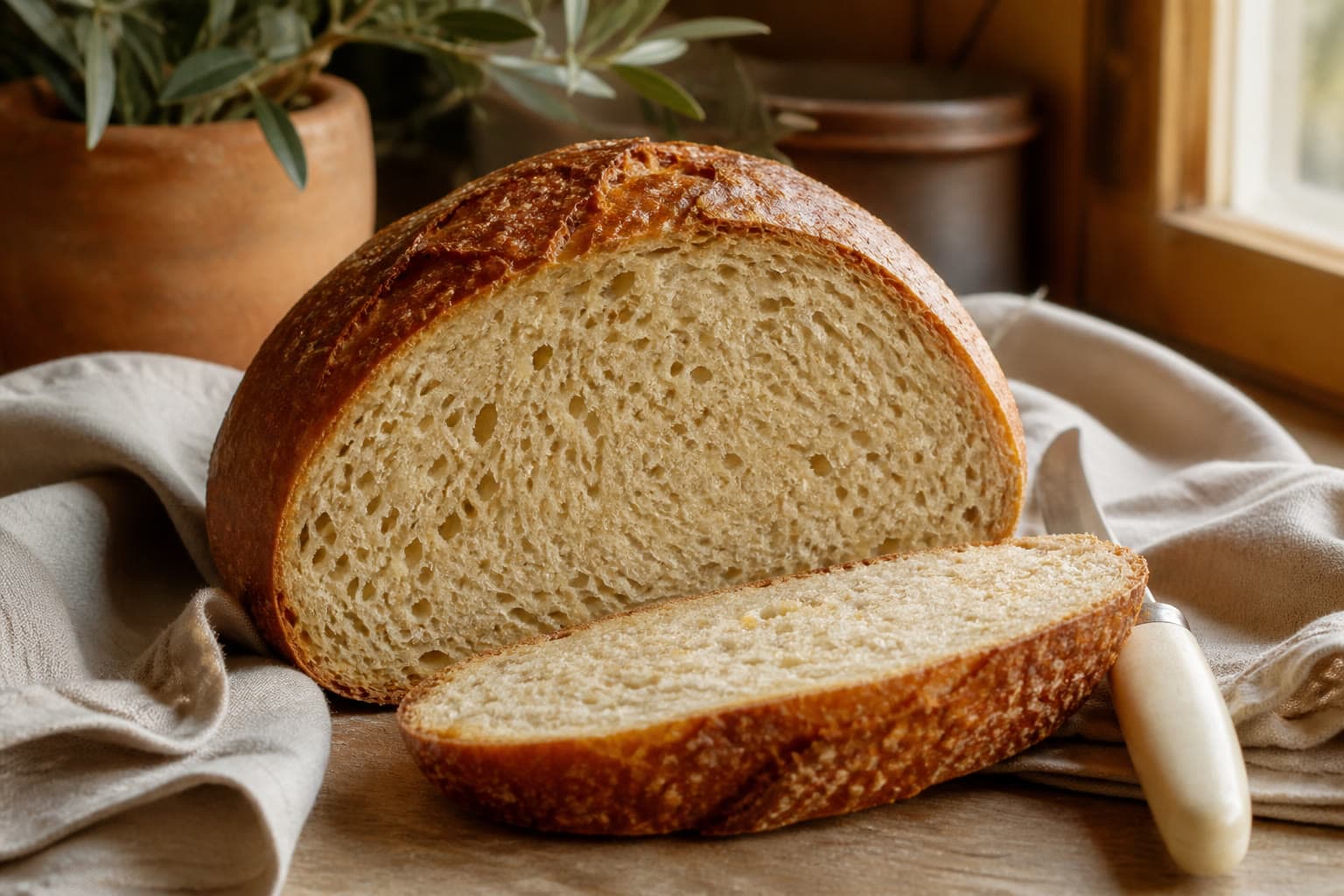
Artisan Loaves
BEGINNER
BEGINNER
NOV 14, 2025
Classic Gluten-Free Sourdough
The beginner country loaf linked from our starter guide: brown rice, sorghum, tapioca, and psyllium powder at 5%.
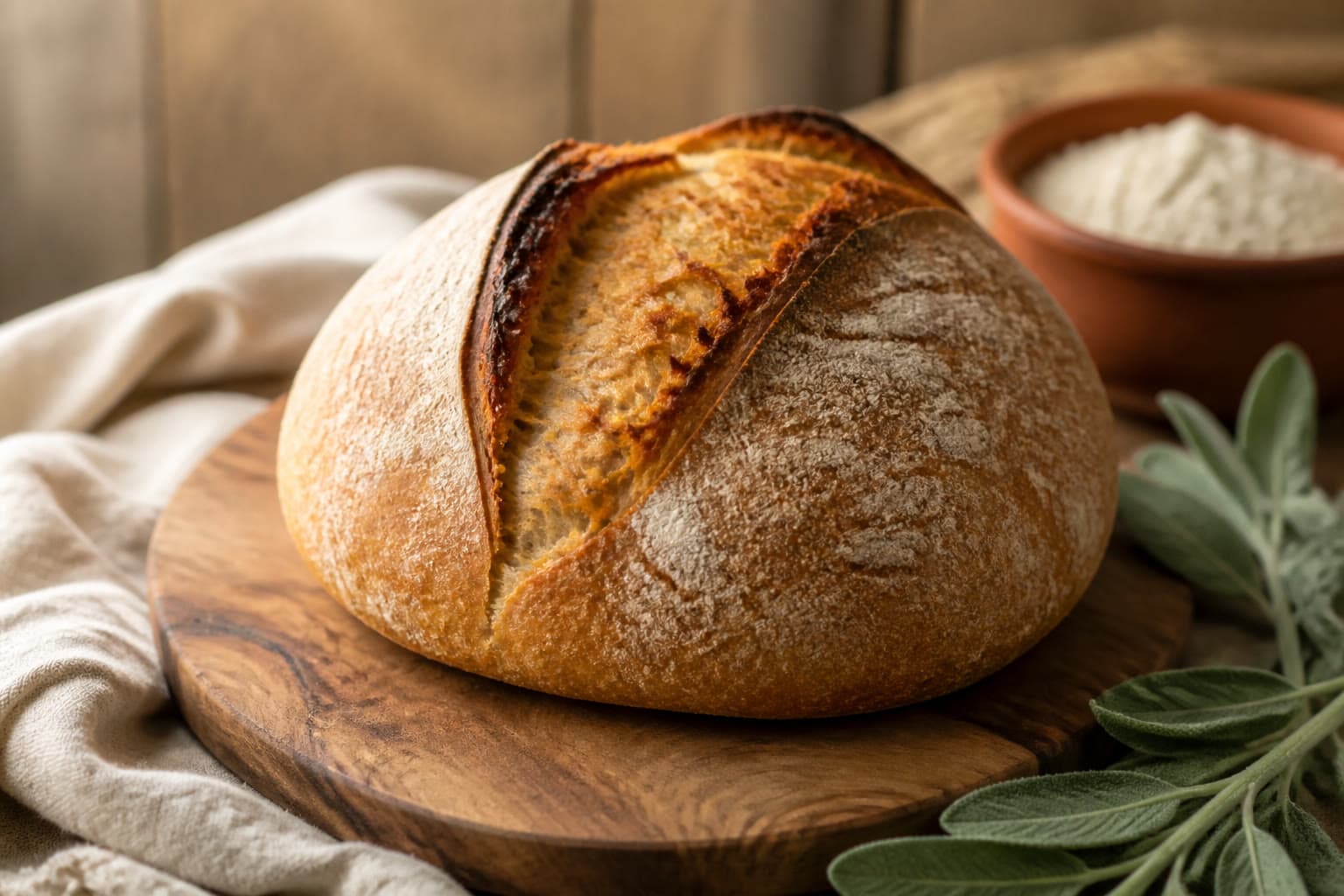
Artisan Loaves
INTERMEDIATE
GLUTEN FREE SOURDOUGH
NOV 7, 2025
Artisan Gluten-Free Sourdough Bread
Our upgraded house boule: King Arthur gluten-free bread flour, whole psyllium husk, and a 500F Dutch oven for a blistered crust.
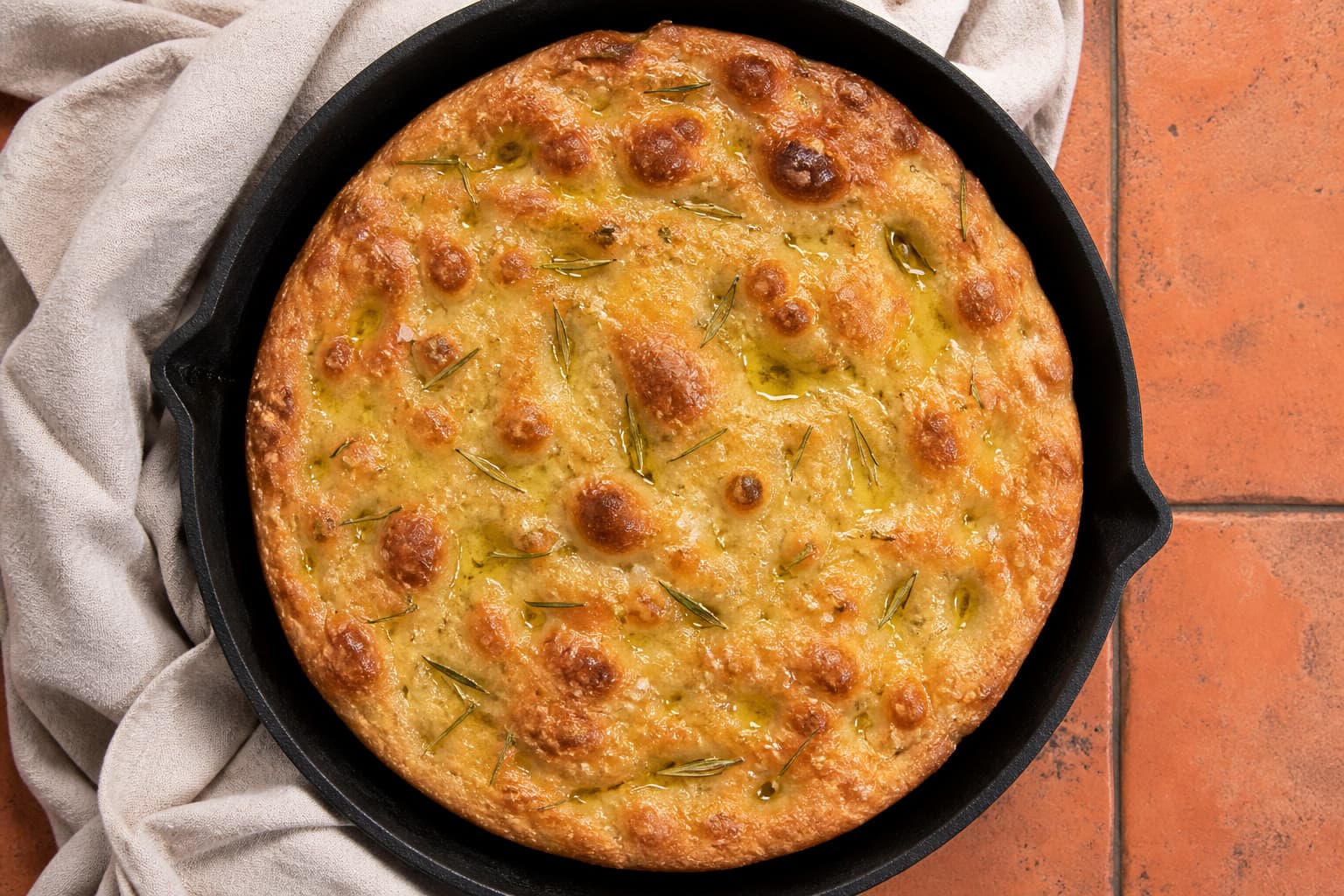
Flatbreads
BEGINNER
FOCACCIA
MAR 1, 2026
Gluten-Free Sourdough Focaccia
A pan of 105% hydration dough, dimpled in olive oil, with a crisp bottom and a plush, salty top.
Pizza
INTERMEDIATE
PIZZA
MAR 1, 2026
Gluten-Free Sourdough Pizza Crust
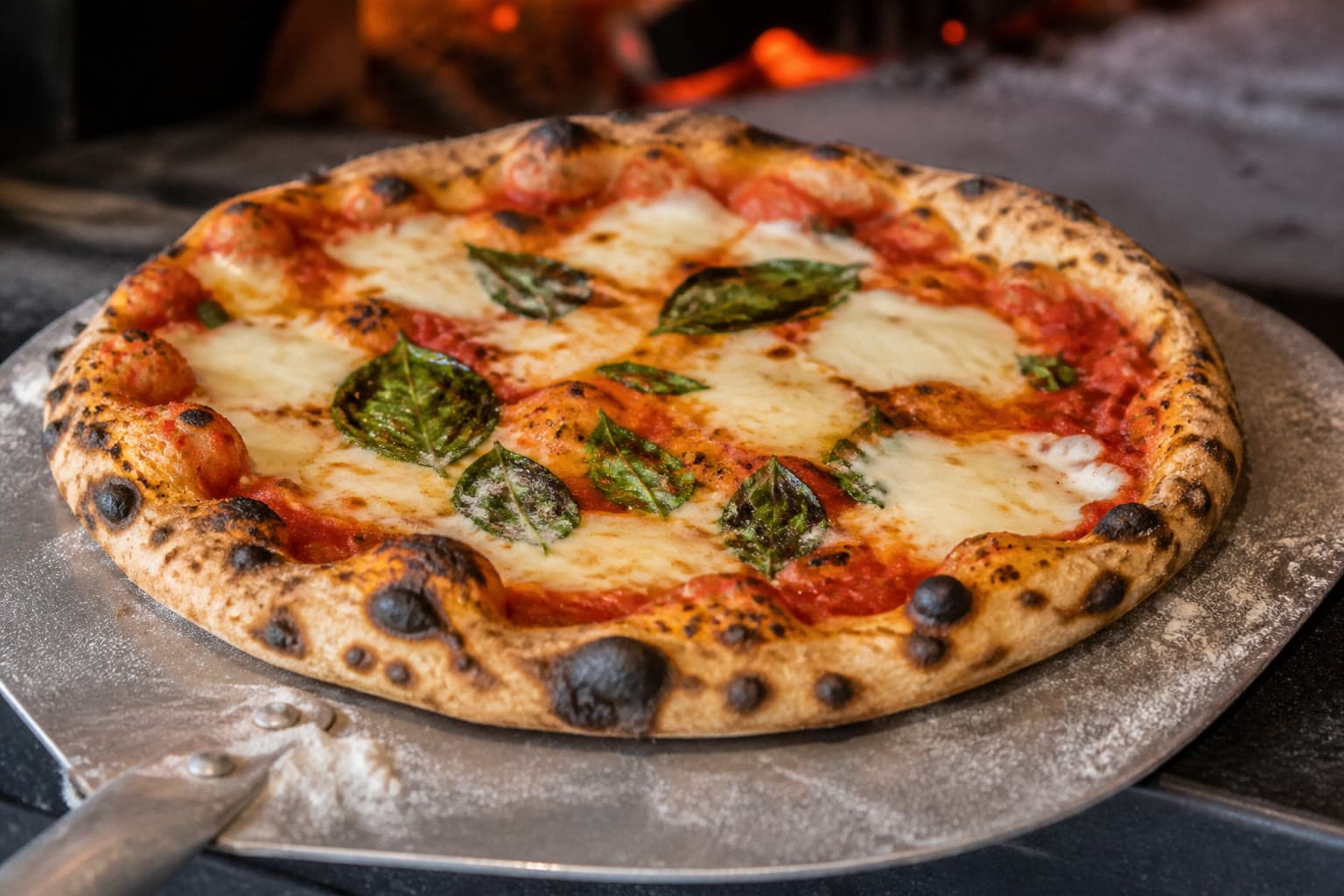
A steel-baked sourdough pizza dough with 4% psyllium, olive oil, and a parbake option so the center does not stay pale and gummy.