Breakfast · beginner
Gluten-Free Sourdough Dutch Baby
Key takeaway
A gluten-free sourdough Dutch baby is blender batter plus discard in a very hot buttery skillet. Preheat the pan. Do not open the door early.
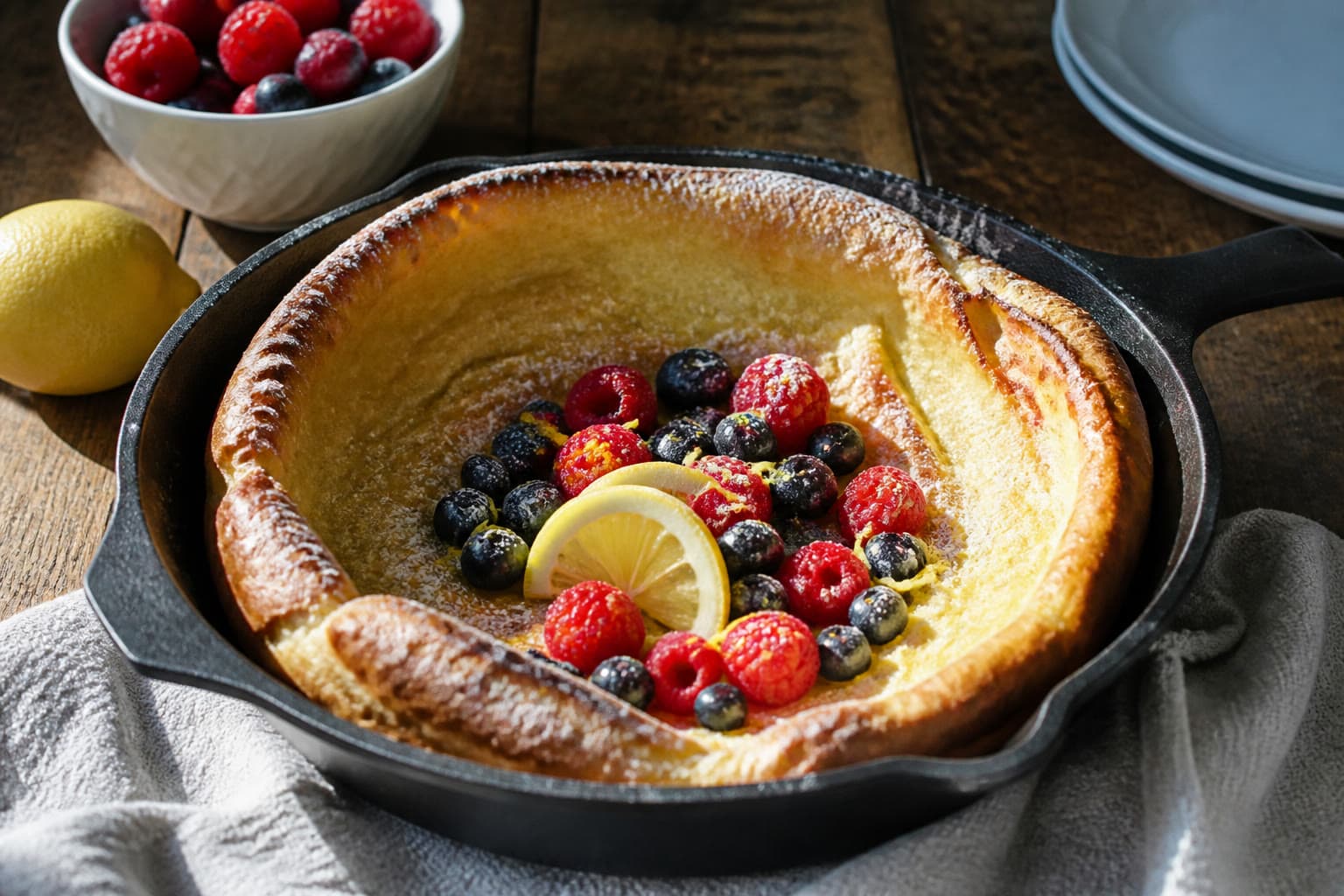
A blender Dutch baby that uses discard or a spoon of starter, poured into a ripping-hot buttery skillet.
Prep
10m
Batter rest
20–30m
Bake
20m
Servings
4
Difficulty
beginner
The short answer
A Dutch baby is a skillet popover: thin egg-rich batter hitting a very hot pan so steam and eggs lift a dramatic rim. This version folds in gluten-free sourdough discard (or a little active starter) for tang. Rest the batter so the flour hydrates, heat the skillet until the butter foams hard, then bake without opening the door. Serve immediately. The puff is a short-lived magic trick.
For the method behind gluten-free structure, read the gluten-free sourdough guide and keep a lively culture with the starter guide.
Why it works
- A preheated skillet turns butter into the slip and steam the batter needs to climb the walls.
- Eggs provide the protein structure a Dutch baby cannot get from gluten-free flour alone.
- Resting hydrates sorghum so the center is custardy, not gritty.
- Discard adds organic acids and aroma without competing with the egg lift.
- High heat sets the rim before the center dries out.
Ingredients
- 3 large (150g)eggs, at room temperature
- 180gwhole milk, at room temperature
- 50ggluten-free sourdough discard (unfed), or 40g active starter
- 30gsorghum flour
- 20gtapioca starch
- 12ggranulated sugar
- 3gfine sea salt
- 5gvanilla extract
- 1 tspfinely grated lemon zestoptional
- 30gunsalted butterfor the skillet
- To servelemon wedges, powdered sugar, berries, or maple syrup
Equipment
- 10-inch cast-iron skillet
- Blender
- Digital scale
- Oven mitts
Instructions
- 1
Place a 10-inch cast-iron skillet on the middle rack and heat the oven to 425F (220C). The pan has to be truly hot. Give it a full 20 minutes if the skillet started cold.
20 minutes
- 2
Blend eggs, milk, discard or starter, sorghum, tapioca, sugar, salt, vanilla, and lemon zest until smooth, 20–30 seconds. Rest the batter 20–30 minutes at room temperature so the flour hydrates and the bubbles settle. You can blend again briefly right before baking.
25 minutes
- 3
Open the oven, add the butter to the hot skillet, and close the door for 30–60 seconds until the butter melts and foams. Swirl to coat the sides. Work fast so the pan does not cool.
1 minute
- 4
Pour the batter into the foaming butter. Immediately return the skillet to the oven. Bake 18–22 minutes until the edges are dramatically puffed and deep golden and the center is set but still custardy. Do not open the door for the first 16 minutes.
20 minutes
- 5
Serve in the pan or slide onto a board. Dust with powdered sugar and finish with lemon. The puff starts falling as soon as it leaves the oven. That is normal. Eat it anyway.
2 minutes
Nutrition
Approximate values per serving. Always verify labels if you bake for celiac safety.
| Nutrient | Amount |
|---|---|
| Calories | 268 kcal |
| Protein | 9 g |
| Carbs | 22 g |
| Fat | 15 g |
| Fiber | 1 g |
| Sodium | 320 mg |
Substitutions
- Sorghum + tapioca
- 50g gluten-free 1:1 baking flour with xanthan.
- Whole milk
- Oat milk, 180g.
- Discard
- 40g active starter. Flavor will be milder.
- Lemon zest
- Orange zest, or skip and serve with jam.
- 10-inch cast iron
- Any heavy oven-safe skillet of similar diameter.
Storage
Dutch babies are a now food. Leftovers keep refrigerated 1 day and reheat in a 375F oven for 6–8 minutes, but the puff will not return. They make a fine next-day snack with jam.
Notes
- Cold eggs and milk make a timid puff. Room temperature matters here.
- A 12-inch skillet yields a thinner, lacier pancake. Reduce bake time by 2–3 minutes.
- This is the honest home for unfed starter in this collection. The cinnamon rolls want a lively culture. The Dutch baby wants tang.
FAQ
Why did my Dutch baby not puff?
The skillet was not hot enough, the oven lost heat, or the eggs were cold. Preheat the pan with the oven. Pour and close the door. A timid 375F bake will set a thick omelet instead of a popover.
Discard or active starter?
Discard is the everyday choice and adds tang without extra rise. A small amount of active starter works too. Do not add a whole cup of starter. This is an egg batter, not a loaf.
Can I mix by hand instead of a blender?
Yes. Whisk until no lumps remain. The blender is faster and gives a slightly silkier crumb. Rest either way.
Is this the same as a German pancake?
Yes, same family. Dutch baby is the American skillet name. The sourdough twist is the discard in the batter.
Can I make it dairy-free?
Use a richer plant milk (oat works) and a plant butter that actually browns. Thin almond milk makes a flabby pancake.
Bake next
Related recipes
Breakfast
BEGINNER
CRUMPETS
MAY 14, 2026
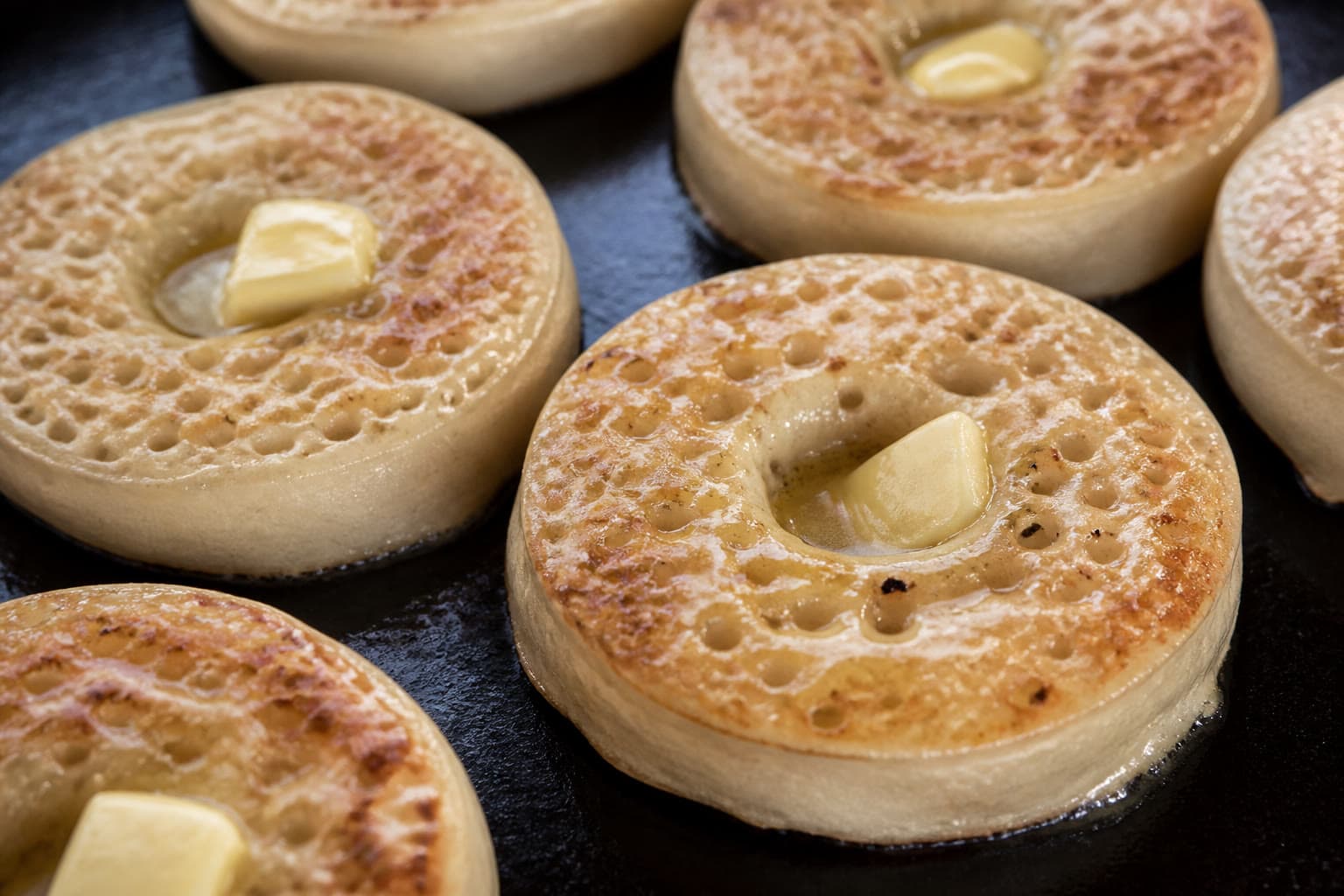
Gluten-Free Sourdough Crumpets
Griddle crumpets with a sour batter and a late baking-soda burst. Rings, lots of bubbles, toasted and buttered.
Breakfast
INTERMEDIATE
CINNAMON ROLLS
APR 22, 2026
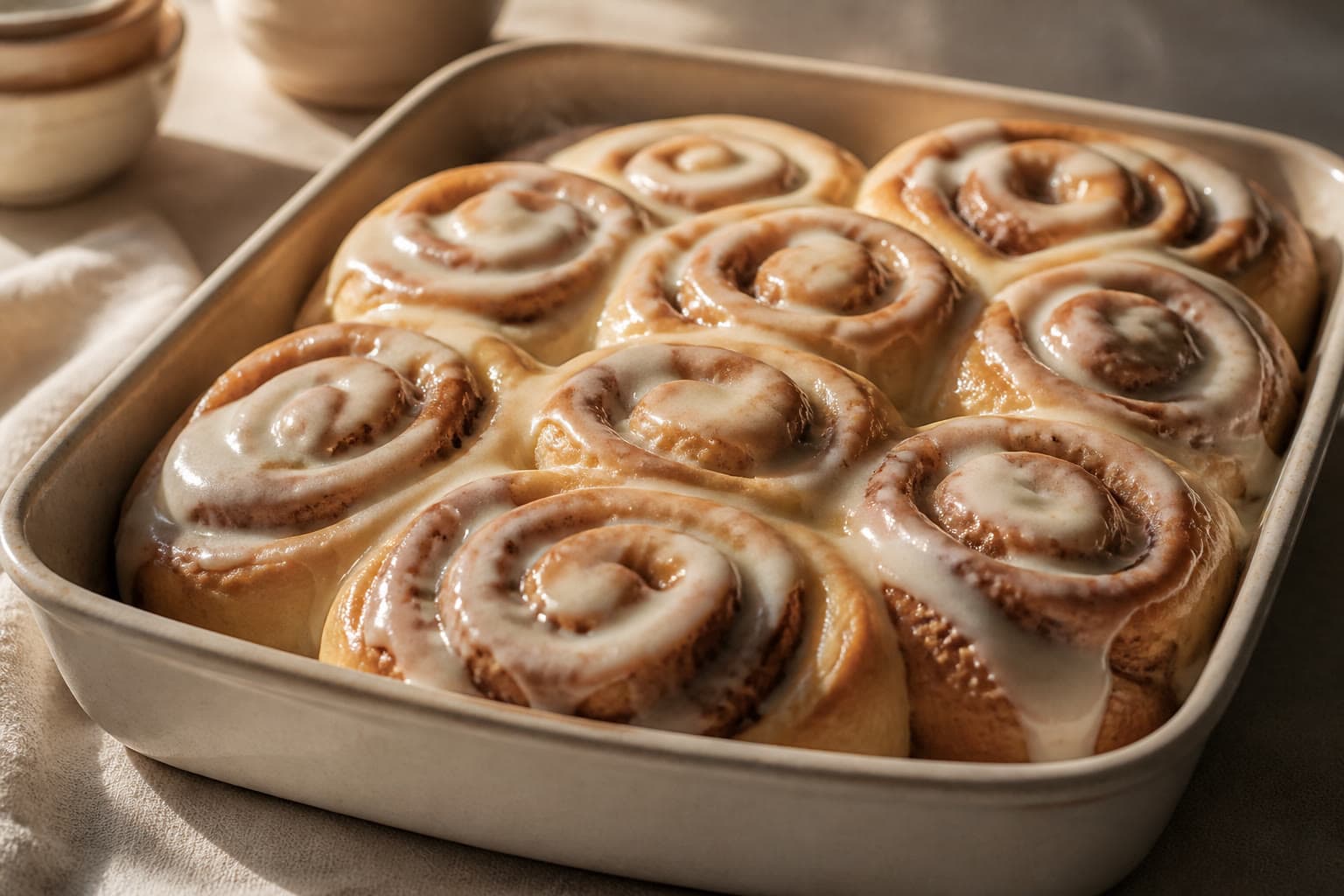
Gluten-Free Sourdough Cinnamon Rolls
Soft gluten-free sourdough cinnamon rolls enriched with milk, butter, and psyllium. Pan-proof until puffy, never doubled.
Sweets
BEGINNER
COOKIES
JAN 4, 2026
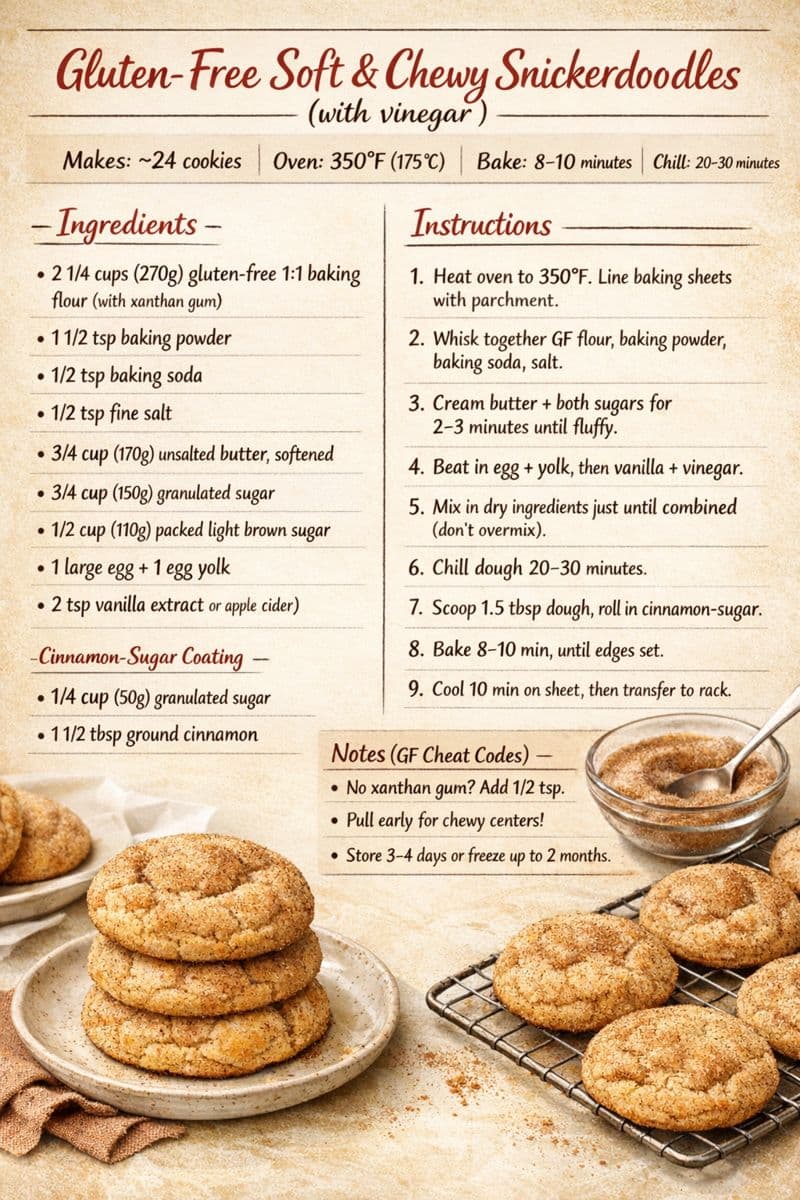
Gluten-Free Soft & Chewy Snickerdoodles (with vinegar)
Soft, cinnamon-sugar snickerdoodles with a gentle vinegar boost for extra chew. A gluten-free bakery classic, not a sourdough cookie.
Technique
Keep the method close
Psyllium, fermentation temperature, and a celiac-safe starter matter as much as the formula.
About Andrew Kittridge
Home baker in Indianapolis documenting gluten-free sourdough: psyllium structure, whole-grain blends, and loaves that actually taste like bread.
More about the kitchen