Breakfast · intermediate
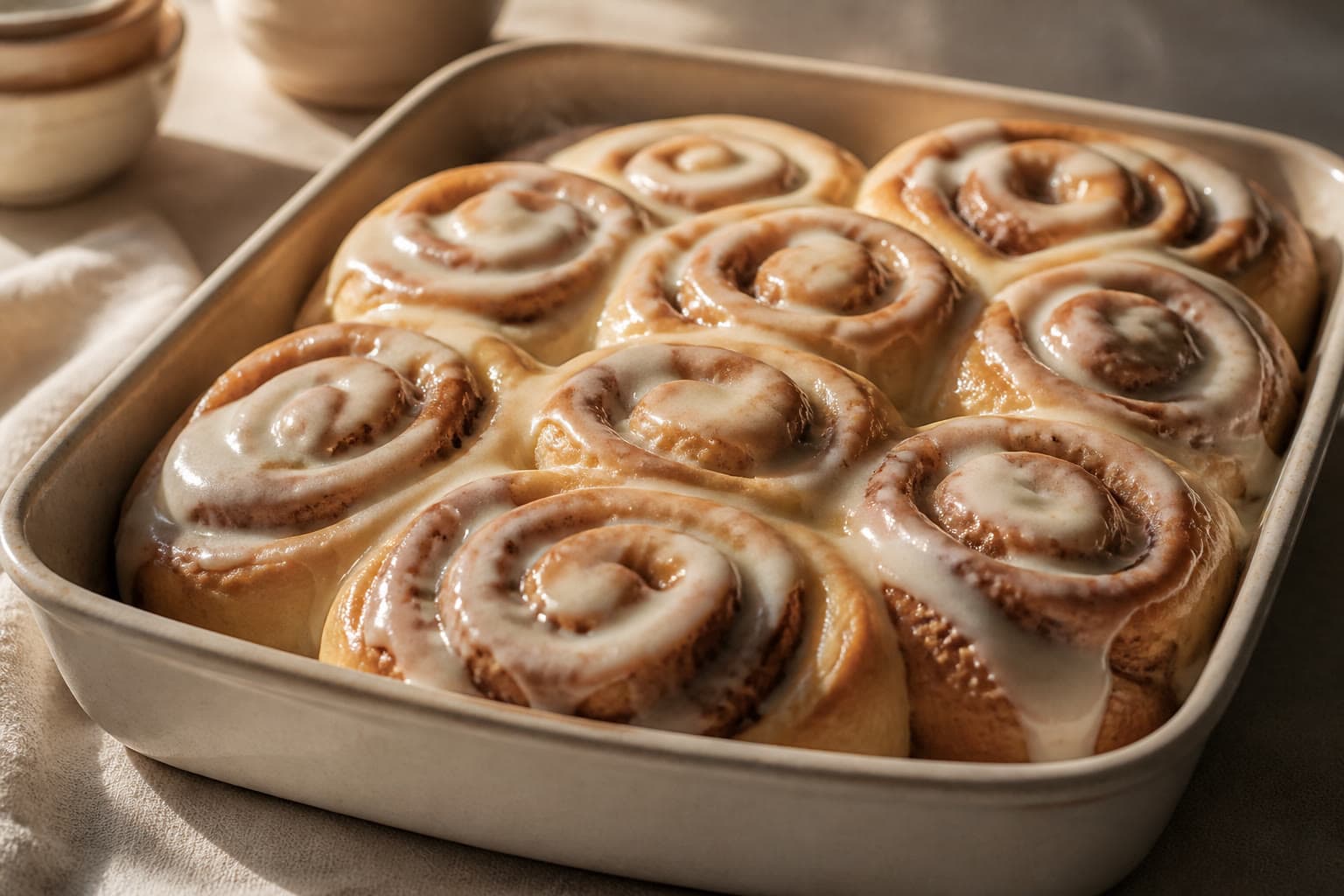
Gluten-Free Sourdough Cinnamon Rolls
Key takeaway
Gluten-free sourdough cinnamon rolls proof in the pan until puffy, not doubled. Psyllium makes the spiral possible. Pull them when the center just hits 200F.
Soft gluten-free sourdough cinnamon rolls enriched with milk, butter, and psyllium. Pan-proof until puffy, never doubled.
Prep
40m
Pan proof
75–120m
Bake
30m
Servings
9
Difficulty
intermediate
The short answer
Enriched gluten-free dough does not behave like wheat brioche. Psyllium, starter, milk, egg, and butter make a rollable dough that proofs in the pan until it looks swollen and shiny, not twice its size. Wait for doubled and the rolls collapse into gummy spirals. Pull them when a finger dent returns slowly, then bake until the centers just set and ice while warm.
For the method behind gluten-free structure, read the gluten-free sourdough guide and keep a lively culture with the starter guide.
Why it works
- Psyllium gel gives gluten-free enriched dough enough elasticity to roll without cracking.
- Egg yolk and butter tenderize a sorghum crumb that would otherwise eat dry.
- A little tapioca in the filling soaks up melted sugar so the spiral stays attached.
- Pan proofing to puffy, not doubled, keeps the gas inside the dough until the oven sets it.
- Starter acidity balances a lot of brown sugar and cinnamon so the rolls taste baked, not candy-like.
Ingredients
- 16gwhole psyllium huskgel
- 240gwhole milk, warmed to 100Fgel
- 130gsorghum flourdough
- 80gtapioca starchdough
- 50gmillet flourdough
- 40gpotato starchdough
- 35ggranulated sugardough
- 8gfine sea saltdough
- 150gactive gluten-free sourdough starter (100% hydration)dough
- 1 large (50g)eggdough
- 1 (18g)egg yolkdough
- 8gvanilla extractdough
- 60gunsalted butter, softeneddough
- 45gunsalted butter, softenedfilling
- 80gpacked light brown sugarfilling
- 14gground cinnamonfilling
- 1gfine saltfilling
- 10gtapioca starchfilling
- 115gcream cheese, softenedicing
- 30gunsalted butter, softenedicing
- 120gpowdered sugaricing
- 5gvanilla extracticing
- 15gmilkicing
Equipment
- Digital scale
- Stand mixer with paddle (or a strong arm and a spatula)
- 8- or 9-inch square pan
- Parchment paper
- Dental floss or wet bench scraper
- Instant-read thermometer
Instructions
- 1
Butter an 8-inch or 9-inch square pan. Whisk psyllium into the warm milk and rest 6–8 minutes until thick and glossy.
8 minutes
- 2
Add starter, egg, yolk, vanilla, and sugar to the gel. Mix to combine. Add sorghum, millet, starches, and salt. Beat with a paddle on medium 2 minutes until the dough is cohesive and stretchy. Beat in the 60g softened butter in two additions until the dough looks like thick frosting that still holds a mound.
8 minutes
- 3
Cover and rest 20 minutes. The dough will firm as the starches drink. Bulk ferment 60–90 minutes at 76–78F until slightly puffy. It will not double. If your kitchen is cool, use a turned-off oven with the light on.
1 hour 50 minutes
- 4
Stir brown sugar, cinnamon, salt, and 10g tapioca for the filling. The starch keeps the swirl from turning into a wet gap. Roll the dough between two sheets of parchment into a 10-by-14-inch rectangle. Peel the top sheet. Spread the 45g butter, then the cinnamon sugar, leaving a 1-inch strip along one long edge.
10 minutes
- 5
Use the bottom parchment to help you roll a snug log toward the clean edge. Pinch the seam. If the log is very soft, chill 15 minutes. Slice into 9 even pieces with dental floss or a wet bench scraper. Nestle them cut-side up in the pan with a little space between.
10 minutes
- 6
Cover and pan-proof 75–120 minutes at 76–80F until the rolls look swollen, the gaps have mostly closed, and a gentle poke springs back slowly. Stop here. Wheat bakers wait for doubled dough. That cue overproofs gluten-free enriched dough and the centers bake gummy.
90 minutes
- 7
Heat the oven to 350F (175C). Bake 28–32 minutes until the tops are golden and the center roll reads about 200F. If they brown too fast, tent with foil at 20 minutes.
30 minutes
- 8
Beat cream cheese, butter, powdered sugar, vanilla, and milk until smooth. Spread on rolls that have cooled 10–15 minutes so the icing melts into the spirals without sliding off. Serve warm.
10 minutes
Nutrition
Approximate values per serving. Always verify labels if you bake for celiac safety.
| Nutrient | Amount |
|---|---|
| Calories | 418 kcal |
| Protein | 7 g |
| Carbs | 58 g |
| Fat | 18 g |
| Fiber | 5 g |
| Sodium | 390 mg |
Substitutions
- Whole milk
- Oat milk or lactose-free milk, same weight, warmed.
- Millet flour
- Brown rice flour, 50g.
- Cream cheese icing
- A simple glaze of 120g powdered sugar, 20g milk, and vanilla.
- Same-day bake
- Overnight fridge proof in the pan, then a short warm-up before baking.
- Psyllium husk
- 8g psyllium powder. Do not skip the binder.
Storage
Cover leftover rolls at room temperature up to 1 day. Refrigerate up to 3 days and rewarm, covered, at 300F for 10 minutes. Freeze un-iced baked rolls up to 2 months. Ice after thawing.
Notes
- Overnight: shape into the pan, cover, refrigerate 8–12 hours. In the morning, proof at room temp until puffy (45–90 minutes) before baking.
- Dental floss cuts cleaner spirals than a knife, which squashes gluten-free dough.
- If the dough sticks while rolling, dust the parchment with tapioca, not extra sorghum, which dries the crumb.
FAQ
Why shouldn’t gluten-free cinnamon rolls double in the pan?
Psyllium and starch hold gas less aggressively than gluten. If you wait for doubled volume, the network is already exhausted. The rolls look proud, then sink in the oven and bake into paste. Puffy, shiny, and slightly springy is the stop point.
Can I make these dairy-free?
Yes. Use warm oat milk in the gel, a firm plant butter in the dough and filling, and a dairy-free cream cheese for the icing. Avoid thin nut milks, which make the dough slack.
Do I have to use millet flour?
Millet adds tenderness and a bakery-style aroma. Brown rice flour, same weight, works if that is what you keep on hand. The crumb will be a little sandier.
The swirl left a gap in the middle. How do I prevent that?
The 10g tapioca in the filling absorbs leaking butter and sugar. Roll snugly, don’t overfill the clean edge, and bake until the center roll is actually set, not just browned on top.
Can I use discard instead of active starter?
This dough needs lift from an active culture. Discard belongs in the Dutch baby in this collection. If your starter is hungry and flat, feed it and wait until it peaks before mixing.
Bake next
Related recipes
Sweets
INTERMEDIATE
STICKY BUNS
MAY 6, 2026
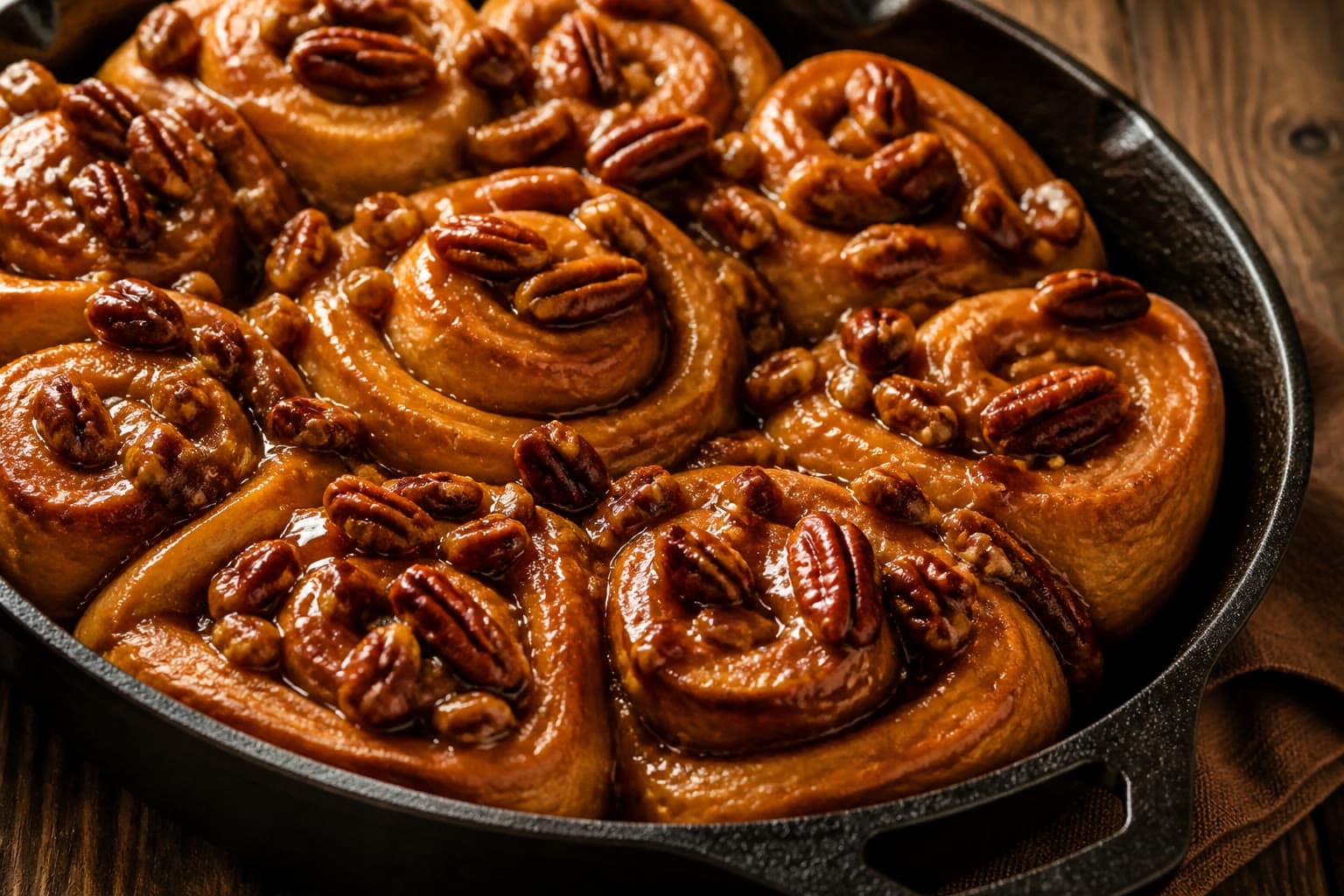
Gluten-Free Sourdough Sticky Buns
Pecan-caramel sticky buns from gluten-free sourdough enriched dough. The pan does the frosting. Proof until puffy.
Artisan Loaves
INTERMEDIATE
LOAVES
JUL 9, 2026
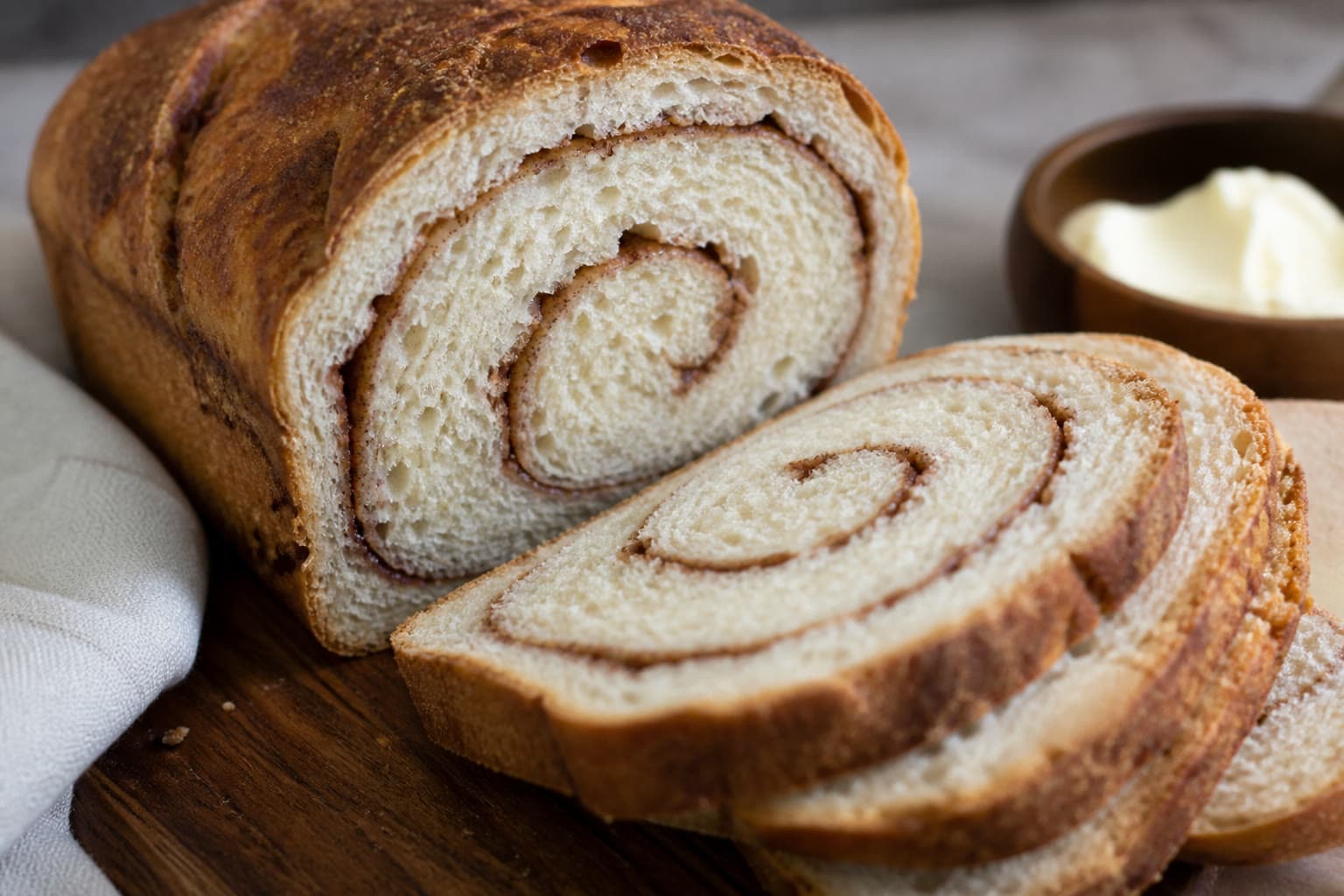
Gluten-Free Cinnamon Swirl Sourdough
A soft gluten-free sourdough pan loaf with a cinnamon-sugar ribbon. Built for toast, not for a sugar coma.
Sweets
ADVANCED
BABKA
JUN 11, 2026
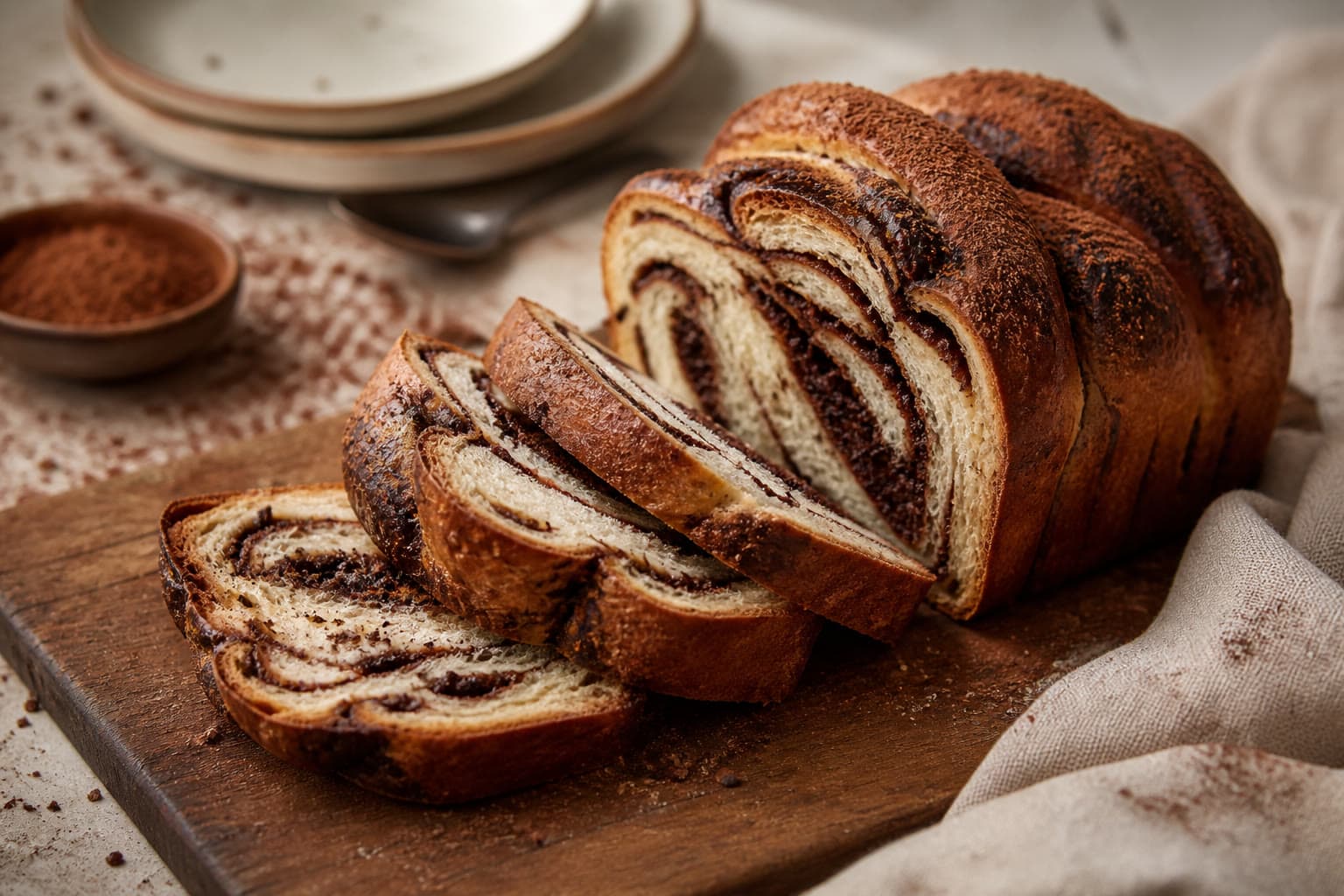
Gluten-Free Chocolate Sourdough Babka
Chocolate-swirl gluten-free sourdough babka from psyllium-enriched dough. Twist, pan-proof until puffy, bake.
Technique
Keep the method close
Psyllium, fermentation temperature, and a celiac-safe starter matter as much as the formula.
About Andrew Kittridge
Home baker in Indianapolis documenting gluten-free sourdough: psyllium structure, whole-grain blends, and loaves that actually taste like bread.
More about the kitchen