Breakfast · beginner
Gluten-Free Sourdough Crumpets
Key takeaway
Gluten-free sourdough crumpets are a pourable fermented batter cooked in rings. Add baking soda at the last minute so the holes tunnel to the top.
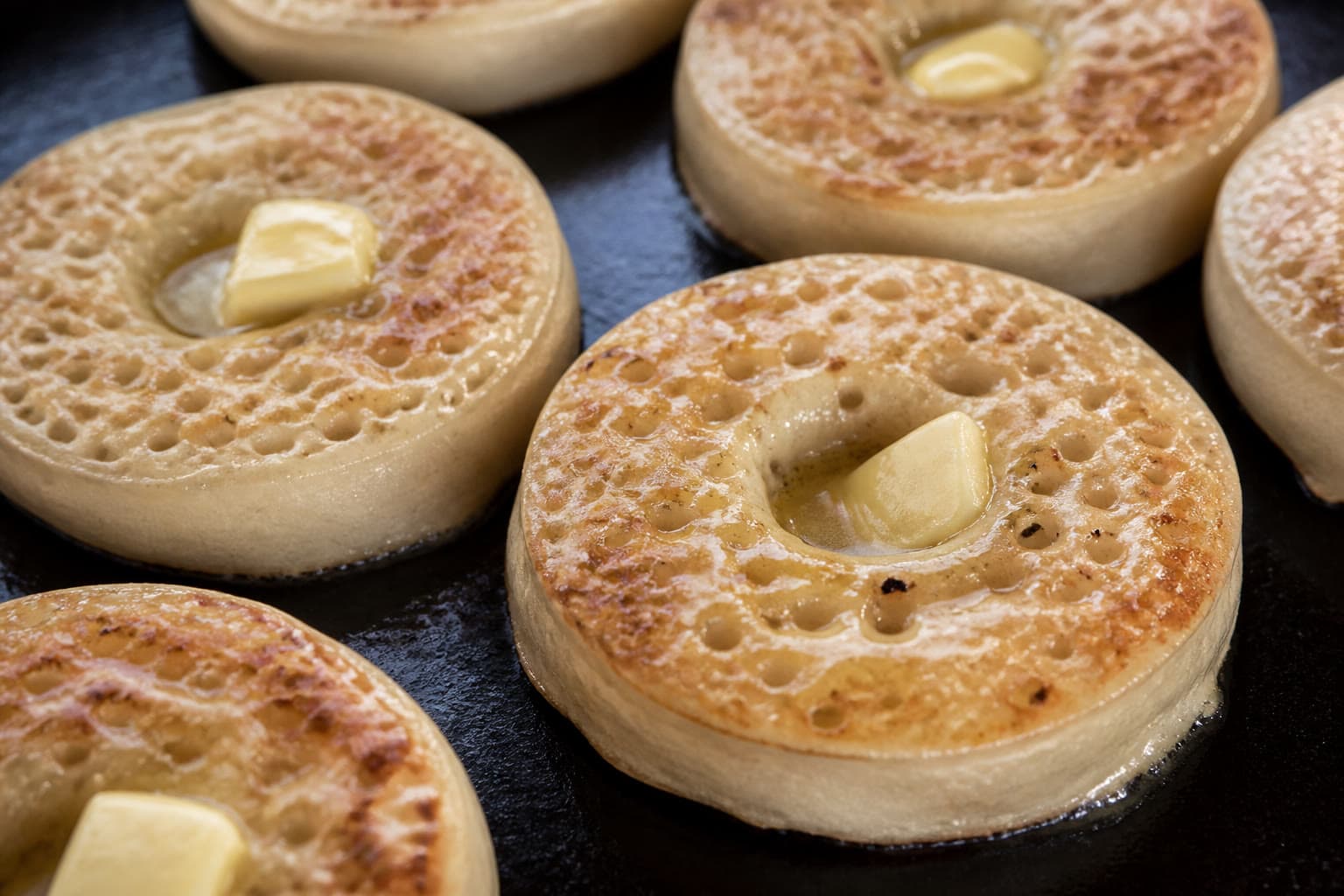
Griddle crumpets with a sour batter and a late baking-soda burst. Rings, lots of bubbles, toasted and buttered.
Prep
20m
Batter ferment
75–120m
Bake
12m
Servings
8
Difficulty
beginner
The short answer
Crumpets are the holey cousins of English muffins: a pourable fermented batter cooked in rings on a griddle, never flipped until the top is a field of dry bubbles. Gluten-free sourdough gives you acidity. Baking soda added at the last minute reacts with that acid and tunnels gas upward. That is the science of the holes, not luck.
For the method behind gluten-free structure, read the gluten-free sourdough guide and keep a lively culture with the starter guide.
Why it works
- A wet batter lets bubbles travel all the way to the surface before the starch sets.
- Fermented starter acid plus last-minute baking soda is a coordinated CO2 burst.
- Rings force that gas upward instead of letting the batter spread.
- A little psyllium keeps the cylinder from collapsing without turning the batter into dough.
- Toasting drives off leftover moisture so the holes stay crisp enough to hold butter.
Ingredients
- 100gsorghum flour
- 70gtapioca starch
- 30gbrown rice flour
- 5gwhole psyllium husk
- 8ggranulated sugar
- 5gfine sea salt
- 140gactive gluten-free sourdough starter (100% hydration)
- 300gwarm water (95–100F)
- 15gunsalted butter, melted, plus more for the griddle
- 4gbaking sodastirred in just before cooking
Equipment
- Digital scale
- Mixing bowl and whisk
- Griddle or heavy skillet
- 8 crumpet rings (about 3.5 inches)
- Ladle
- Tongs
Instructions
- 1
Whisk sorghum, tapioca, brown rice, psyllium, sugar, and salt. Whisk in starter, warm water, and melted butter until you have a smooth, pourable batter, thicker than crepe batter and looser than pancake batter. It should ribbon off a spoon and then settle.
5 minutes
- 2
Cover and ferment 75–120 minutes at 75–78F until the surface is dotted with bubbles and the batter smells tangy. It will look slightly risen. This acid bath is what the baking soda needs later.
90 minutes
- 3
Set a griddle or heavy skillet over medium heat (about 350–375F). Grease 3.25- to 3.75-inch crumpet rings or well-cleaned tuna cans with the tops and bottoms removed. Butter the cooking surface.
5 minutes
- 4
Stir baking soda into the fermented batter. It will foam and loosen. Work quickly. You want that CO2 burst in the rings, not wasted in the bowl.
1 minute
- 5
Set rings on the griddle. Fill each about halfway (roughly 60–70g batter). Cook 8–10 minutes without moving them. Bubbles should open on the surface and stay open as the top dries from wet-shiny to matte. If the bottoms burn before holes form, lower the heat.
10 minutes
- 6
When the tops look set and holey, lift off the rings with tongs. Optional: flip for 30–45 seconds to dry the tops. Traditional crumpets stay pale on top. Toast before serving, then load with butter so it pools in the holes.
2 minutes
Nutrition
Approximate values per serving. Always verify labels if you bake for celiac safety.
| Nutrient | Amount |
|---|---|
| Calories | 148 kcal |
| Protein | 3 g |
| Carbs | 29 g |
| Fat | 3 g |
| Fiber | 3 g |
| Sodium | 380 mg |
Substitutions
- Butter
- Neutral oil in the batter and on the griddle for dairy-free.
- Active starter
- 70g starter plus 70g unfed discard, with a slightly longer ferment.
- Sorghum flour
- Light buckwheat, 100g. Flavor will be more robust.
- Baking soda
- Do not swap in baking powder. You want a pure alkaline burst against the sour batter.
- Sugar
- Honey, 10g, whisked with the water.
Storage
Cool, then keep in an airtight container at room temperature 1 day or refrigerate 3 days. Toast before eating. Freeze up to 2 months. Toast from frozen.
Notes
- No rings? Use well-greased English-muffin rings or the rings from wide-mouth mason lids.
- Hungry discard can replace up to half the starter if you extend the ferment 30 minutes. You still need some acidity for the soda.
- Toast leftover crumpets. Un-toasted they can read gummy, which is normal for the style.
FAQ
Why don’t I get holes?
Either the batter was too thick, the griddle was too cool, or the baking soda went in too early and fizzled out. The batter should be pourable. The soda goes in immediately before cooking. Heat needs to be medium so bubbles have time to tunnel before the bottom scorches.
Are crumpets the same as English muffins?
Cousins, not twins. English muffins are a dough, griddled, then split. Crumpets are a batter cooked in rings with a holey top you do not split. Butter sits in the craters. Toast both.
Can I cook them without rings?
You can free-form them, but they spread into thick pancakes and the holes stay shallow. Rings force the batter upward, which is how you get the classic tunnels.
Do I flip crumpets?
Only briefly, if the tops are still wet. The classic look is a pale, holey top and a golden bottom. A hard flip turns them into English-muffin pancakes.
Can I refrigerate the batter overnight?
Yes, before adding baking soda. Next morning, stir, let it take the chill off 20 minutes, then add the soda and cook. Overnight batter is more tangy.
Bake next
Related recipes
Breakfast
BEGINNER
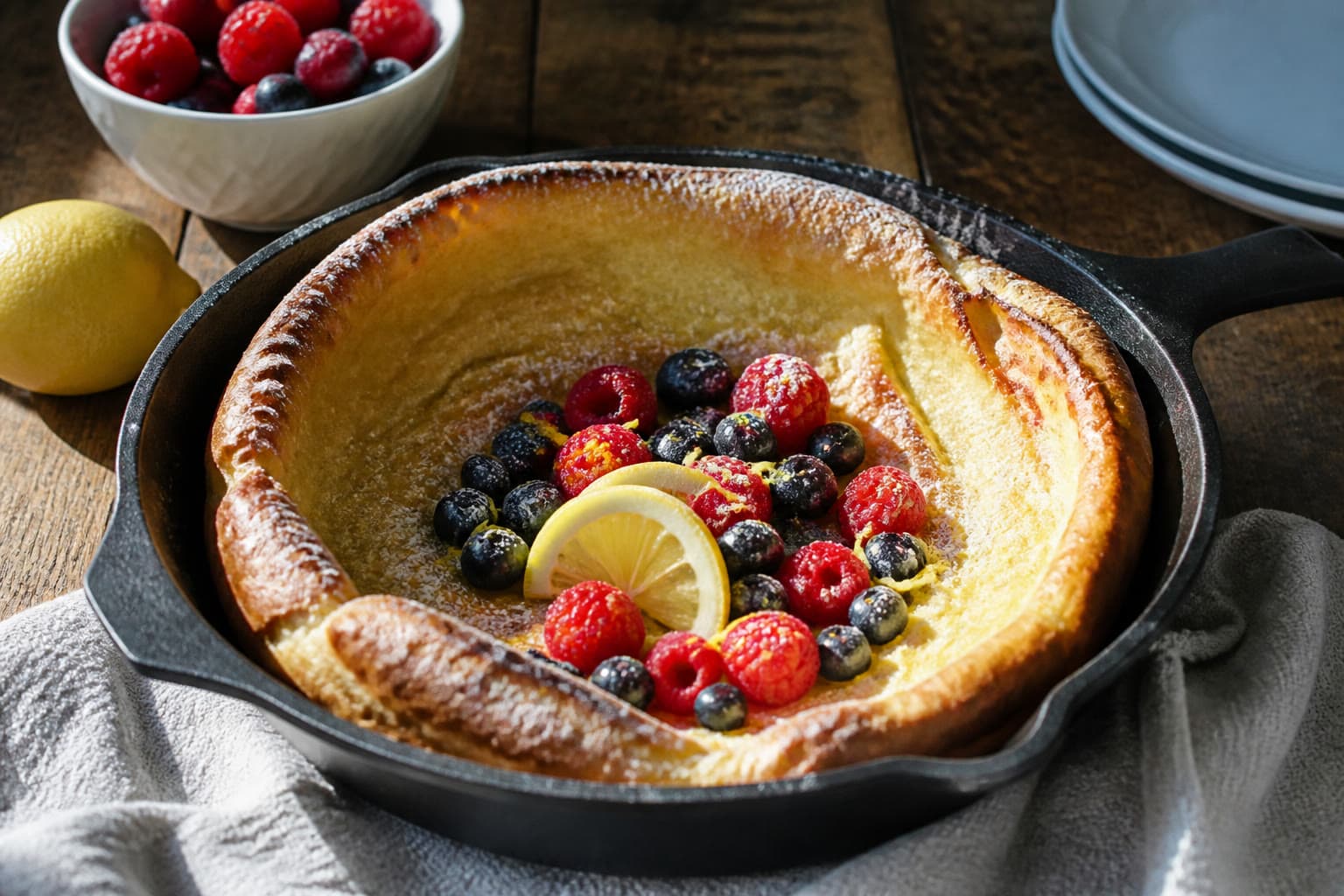
DUTCH BABY
MAY 28, 2026
Gluten-Free Sourdough Dutch Baby
A blender Dutch baby that uses discard or a spoon of starter, poured into a ripping-hot buttery skillet.
Breakfast
INTERMEDIATE
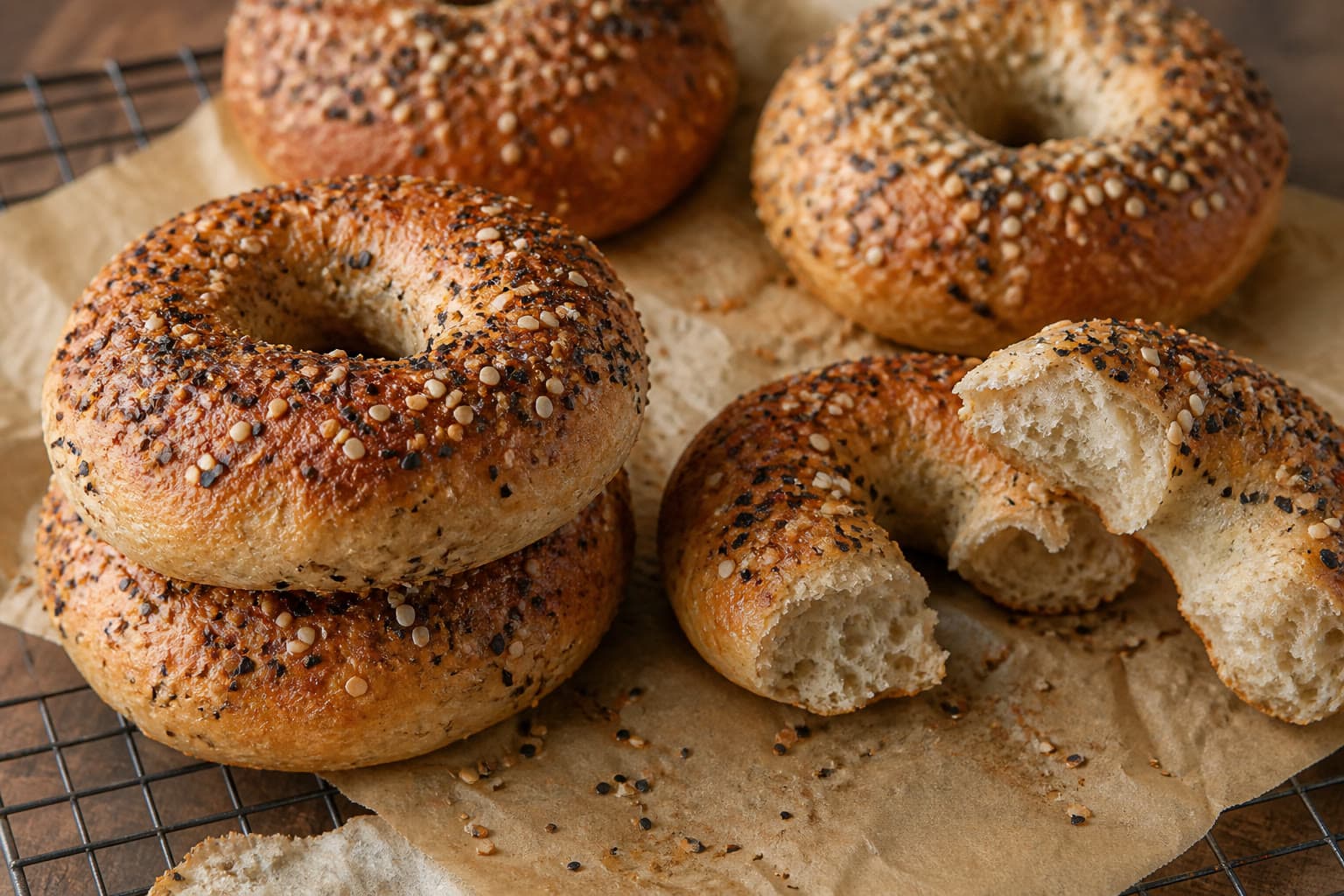
BAGELS
APR 8, 2026
Gluten-Free Sourdough Bagels
Chewy gluten-free sourdough bagels poached in baking-soda honey water, then baked hot for a glossy blistered crust.
Rolls & Buns
INTERMEDIATE
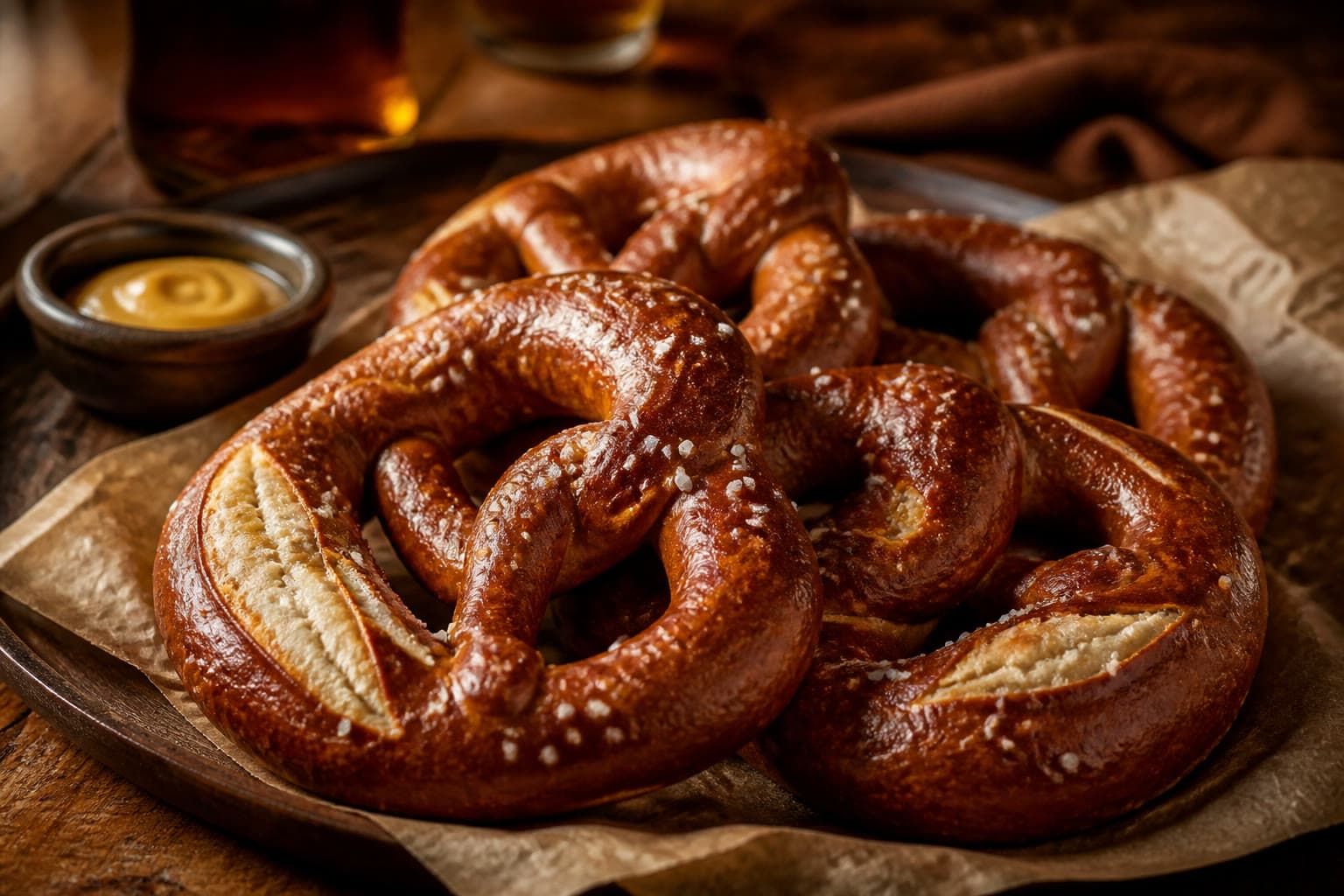
PRETZELS
JUL 23, 2026
Gluten-Free Sourdough Soft Pretzels
Soft gluten-free sourdough pretzels dipped in a baking-soda bath, baked hot, and brushed with butter.
Technique
Keep the method close
Psyllium, fermentation temperature, and a celiac-safe starter matter as much as the formula.
About Andrew Kittridge
Home baker in Indianapolis documenting gluten-free sourdough: psyllium structure, whole-grain blends, and loaves that actually taste like bread.
More about the kitchen