Holiday · intermediate
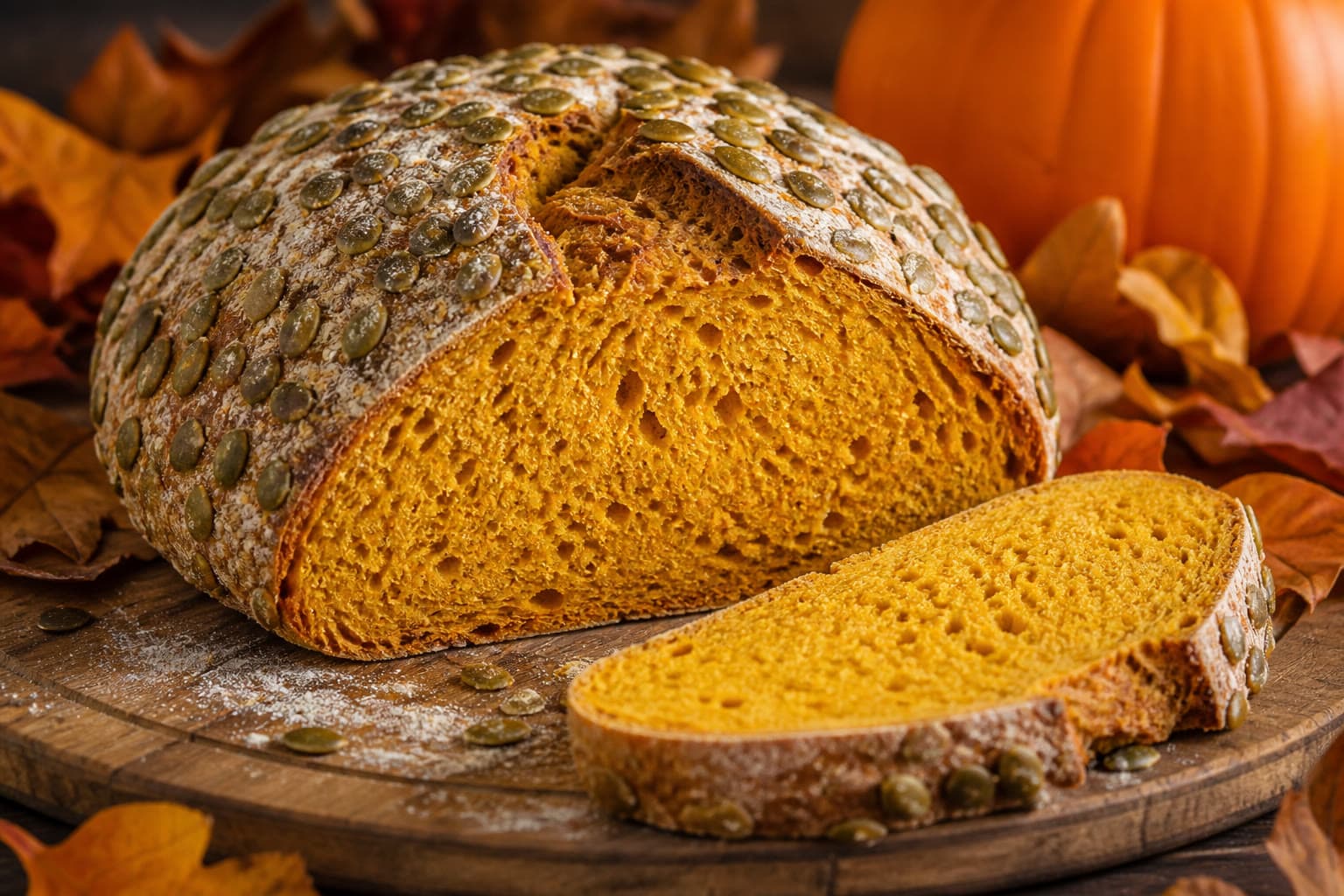
Pumpkin Sorghum Sourdough Loaf
Key takeaway
Treat pumpkin as hydration, keep psyllium just over 5%, bake to temperature, and cool two hours so a holiday sorghum loaf slices instead of smears.
Holiday sorghum boule with real pumpkin puree, warm spice, and a pepita crust. Pie filling stays in the pie.
Prep
40m
Pumpkin-psyllium gel
10 min
Bake
55m
Servings
12
Difficulty
intermediate
The short answer
Pumpkin puree is mostly water wearing an orange sweater, so you cannot dump a can into a standard gluten-free sourdough formula and hope. This loaf leads with sorghum, adds a little teff for earth, and treats 180g pumpkin as part of the hydration, not a mix-in. Psyllium sits at 5.4% so the wet dough still scores. It tastes like Thanksgiving stuffing bread if stuffing bread were allowed to be tangy. Use 100% pumpkin puree, never pumpkin pie filling, which is sugar, thickeners, and sometimes gluten-risk flavors. Pepitas on top are optional and very Indianapolis-in-October, when Claire puts a bowl of them next to the starter jar as a hint. Cool the loaf two hours; pumpkin hides wet starch better than any other puree I bake. No wheat, rye, barley, or supermarket oats that are not certified gluten-free.
For the method behind gluten-free structure, read the gluten-free sourdough guide and keep a lively culture with the starter guide.
Why it works
- Pumpkin is folded into the gel so its water is bound by psyllium instead of pooling in the crumb.
- Sorghum's mild sweetness and protein like pumpkin spice without needing a cup of sugar.
- Teff in a small percentage adds color and mineral flavor that reads as holiday instead of orange sandwich bread.
- A thermometer finish and a 2-hour cool matter more here than in lean loaves because puree hides underbaked starch.
Ingredients
- 230gsorghum flour
- 80gbrown rice flour
- 90gtapioca starch
- 50gpotato starch
- 30gteff flourAdds molasses-earth; millet works if teff is scarce
- 26gpsyllium husk powder5.4% of 480g flour
- 10gfine sea salt2.1% of 480g
- 3gground cinnamon
- 1gground ginger
- 1gfreshly grated nutmeg
- 0.5gground cloveA pinch; more tastes like a candle
- 180gcanned pumpkin puree100% pumpkin, not pie filling
- 270gwarm water (95F / 35C)
- 120gactive gluten-free sourdough starter (100% hydration)25% of flour
- 30gmaple syrup
- 20golive oil
- 25graw pepitasFor the crust; optional
Equipment
- Digital scale
- Dutch oven or 9x5-inch loaf pan
- Banneton
- Instant-read thermometer
Instructions
- 1
Whisk sorghum, brown rice flour, tapioca, potato starch, teff, salt, and spices until the cinnamon is evenly tan, not streaky, and the bowl smells like a pie spice drawer.
3 min
- 2
Whisk pumpkin puree into the warm water until smooth and the color is even orange, then whisk in psyllium. Rest 10 minutes. Pumpkin gel is thicker than water gel and should look like glossy squash custard.
10 min
- 3
Stir starter, maple, and oil into the gel until it smells tangy-sweet. Mix in the dry blend until no dry pockets remain. The dough should mound on a spoon and slowly slump.
4 min
- 4
Shape a round with wet hands. If using pepitas, roll the top in them now so they stick to the damp skin. Set in a banneton seam-side up.
5 min
- 5
Ferment at 75-78F (24-26C) until puffy, about 50% taller, and jiggly when you shake the basket. Pumpkin sugars speed yeast a little; start checking at 3.5 hours.
3.5-5 hr
- 6
Preheat a Dutch oven at 450F (230C) for 40 minutes. Turn out, score a shallow square, and bake covered 32 minutes. You should hear a quiet sizzle from residual moisture.
40 min preheat
- 7
Uncover and bake 20-24 minutes until the crust is copper, pepitas are toasted, and the center reads 205-208F (96-98C). Pumpkin bread hides wetness; trust the thermometer, not the color.
20-24 min
- 8
Cool on a rack 2 hours. The crumb sets from custard to sliceable bread. This loaf makes better next-day toast and better stuffing cubes than day-of sandwiches.
2 hr
Nutrition
Approximate values per serving. Always verify labels if you bake for celiac safety.
| Nutrient | Amount |
|---|---|
| Calories | 184 kcal |
| Protein | 4 g |
| Carbs | 35 g |
| Fat | 4 g |
| Fiber | 5 g |
| Sodium | 318 mg |
Substitutions
- Teff flour
- Millet flour or more sorghum, 30g. You lose a little earth.
- Maple syrup
- Honey or brown sugar, 30g.
- Canned pumpkin
- Well-drained roasted butternut, same weight.
- Pepitas
- Sunflower seeds, or a plain rice-flour dusting.
Storage
Wrap once cool, after a full 2 hours. Room temperature 2 days, or freeze slices 2 months. Makes excellent gluten-free sourdough bread pudding when it stales.
Notes
- Weigh pumpkin. Volume cups of puree vary wildly from can to can.
- If the dough looks soupier than a typical GF boule after mixing, wait 10 more minutes before shaping; psyllium is still drinking.
- Roasted sugar pie pumpkin, drained 10 minutes in a sieve, can replace canned puree at the same weight.
- For stuffing, cube day-old slices and dry at 250F (120C) for 40 minutes.
FAQ
Can I use pumpkin pie filling?
No. Pie filling is sweetened, spiced, and often includes thickeners you do not want in a sourdough hydration calculation. Use 100% pumpkin puree.
Why sorghum instead of a 1:1 baking mix?
Sorghum already tastes like the cousin of pumpkin bread. A commercial 1:1 mix plus pumpkin plus psyllium usually bakes gummy because you have stacked binders. This blend is built for puree.
Can I add raisins or chocolate?
Raisins, yes, 70g tossed in tapioca. Chocolate turns it into a different loaf (see the chocolate-cherry boule). Keep mix-ins under 90g or the wet pumpkin crumb tears.
Is this sweet enough for breakfast?
It is a bread with maple, not cake. Toast it and add butter or tahini. If you want dessert, make the bread pudding with leftover cubes.
Can I bake it in a loaf pan?
Yes. Oil a 9x5-inch pan, skip the Dutch oven, bake at 400F (205C) for 55-65 minutes to 208F internal, tenting if the pepitas darken early. Still cool 2 hours.
Bake next
Related recipes
Holiday
INTERMEDIATE
HOLIDAY
MAY 7, 2026
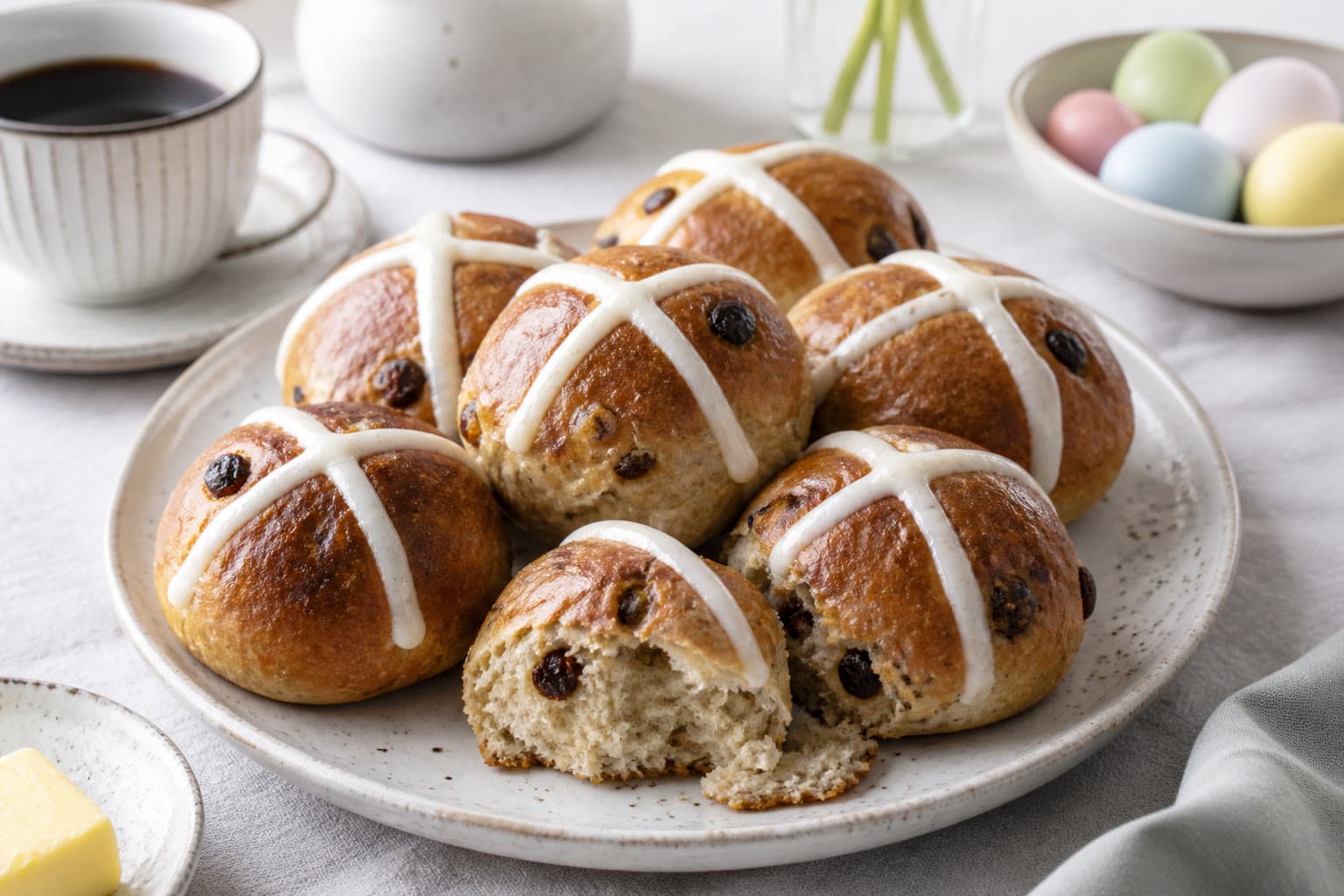
Gluten-Free Sourdough Hot Cross Buns
Spiced Easter buns with currants, orange zest, and a rice-flour cross. The paste is not wheat flour, and the oats in the blend are certified gluten-free.
Holiday
ADVANCED
HOLIDAY
APR 23, 2026
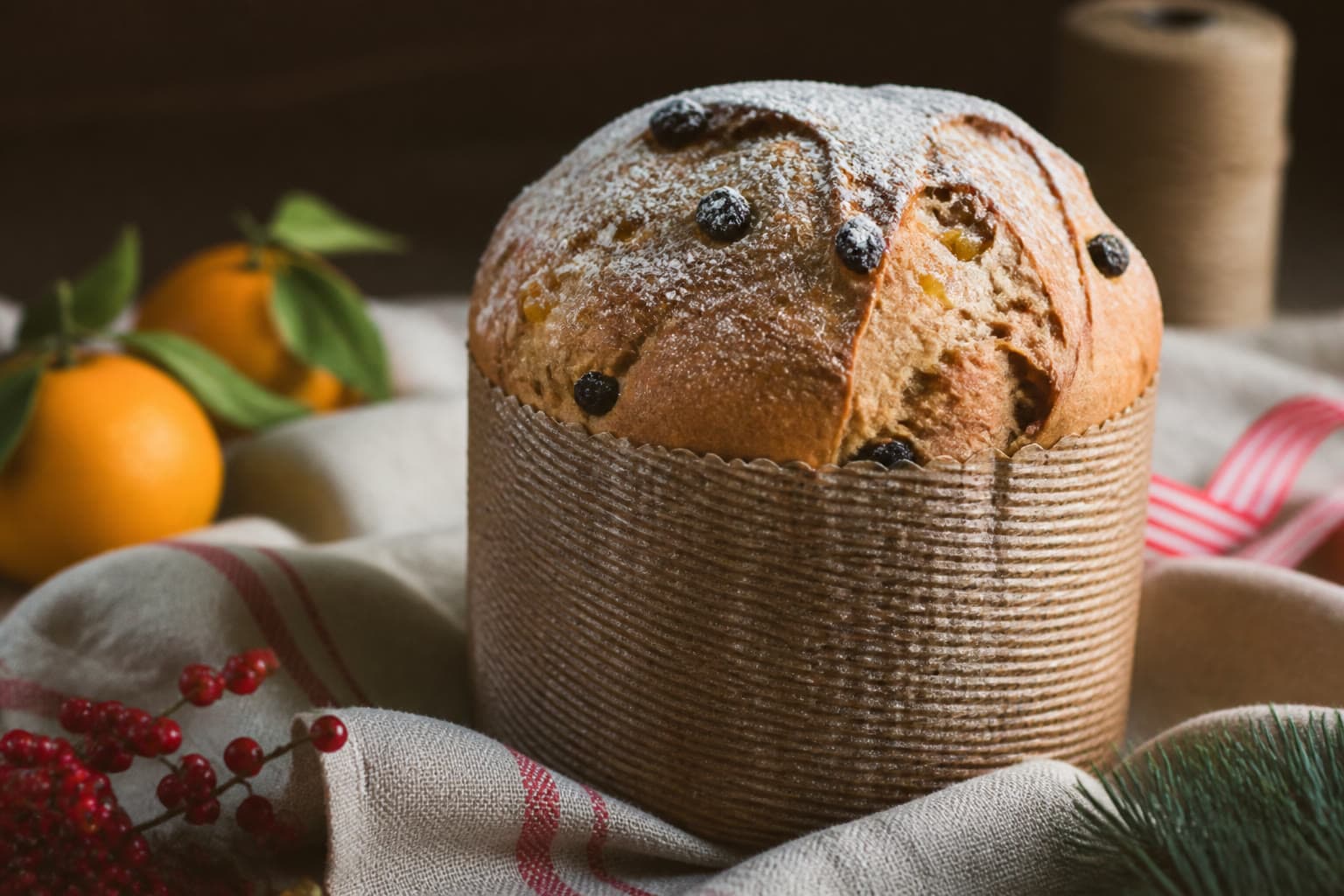
Gluten-Free Sourdough Panettone
An advanced holiday panettone: long ferment, citrus, raisins, and a tall mold. It will not shred like wheat. It will still feel like a celebration.
Sweets
BEGINNER
SWEETS
JUL 16, 2026
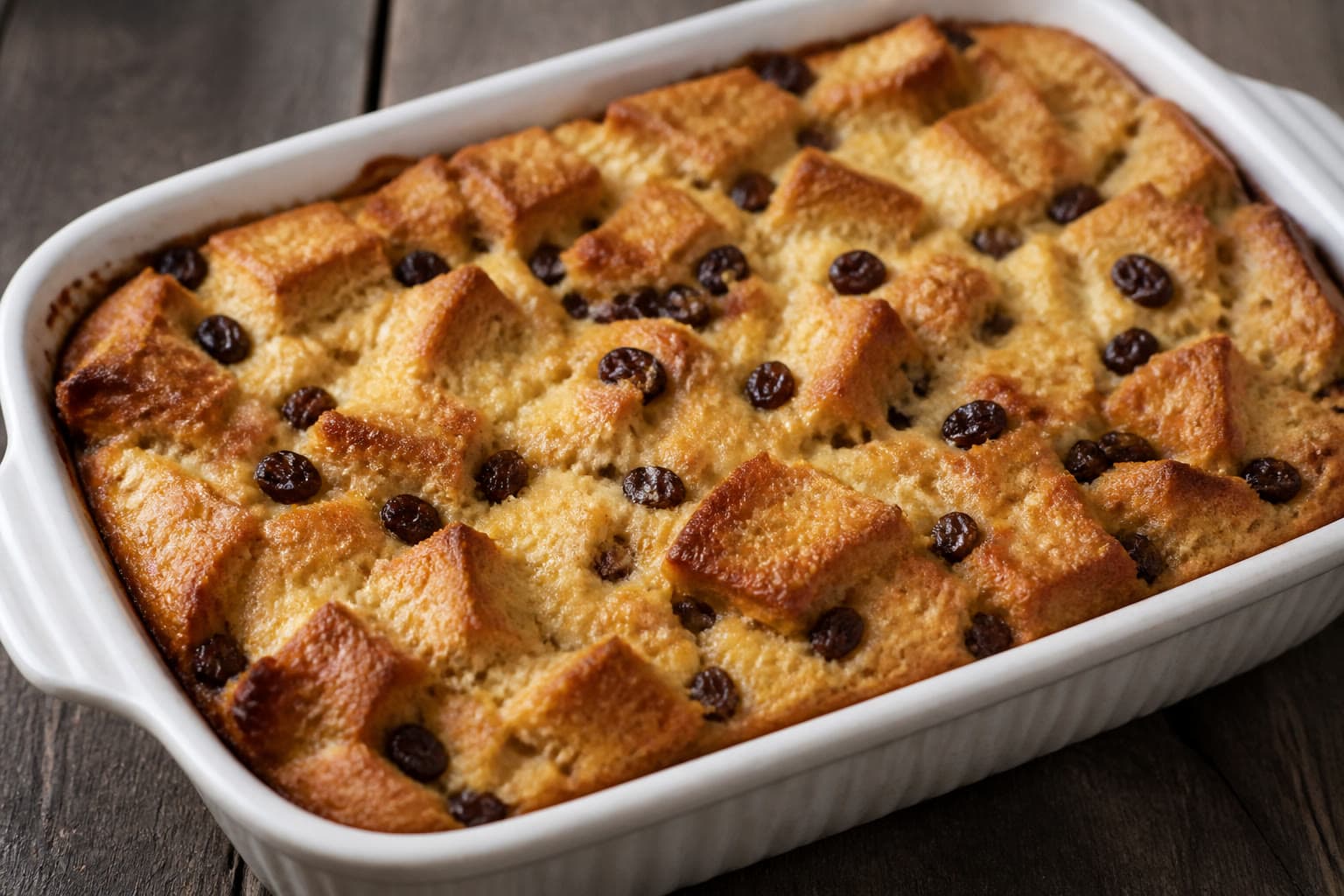
Gluten-Free Sourdough Bread Pudding
Stale gluten-free sourdough cubes soaked in vanilla custard. Pumpkin loaf or chocolate-cherry both work; wheat bread does not.
Technique
Keep the method close
Psyllium, fermentation temperature, and a celiac-safe starter matter as much as the formula.
About Andrew Kittridge
Home baker in Indianapolis documenting gluten-free sourdough: psyllium structure, whole-grain blends, and loaves that actually taste like bread.
More about the kitchen