Holiday · intermediate
Gluten-Free Sourdough Hot Cross Buns
Key takeaway
Hot cross buns stay celiac-safe when oats are certified gluten-free, the cross is rice flour, and psyllium is just over 5% of the flour weight.
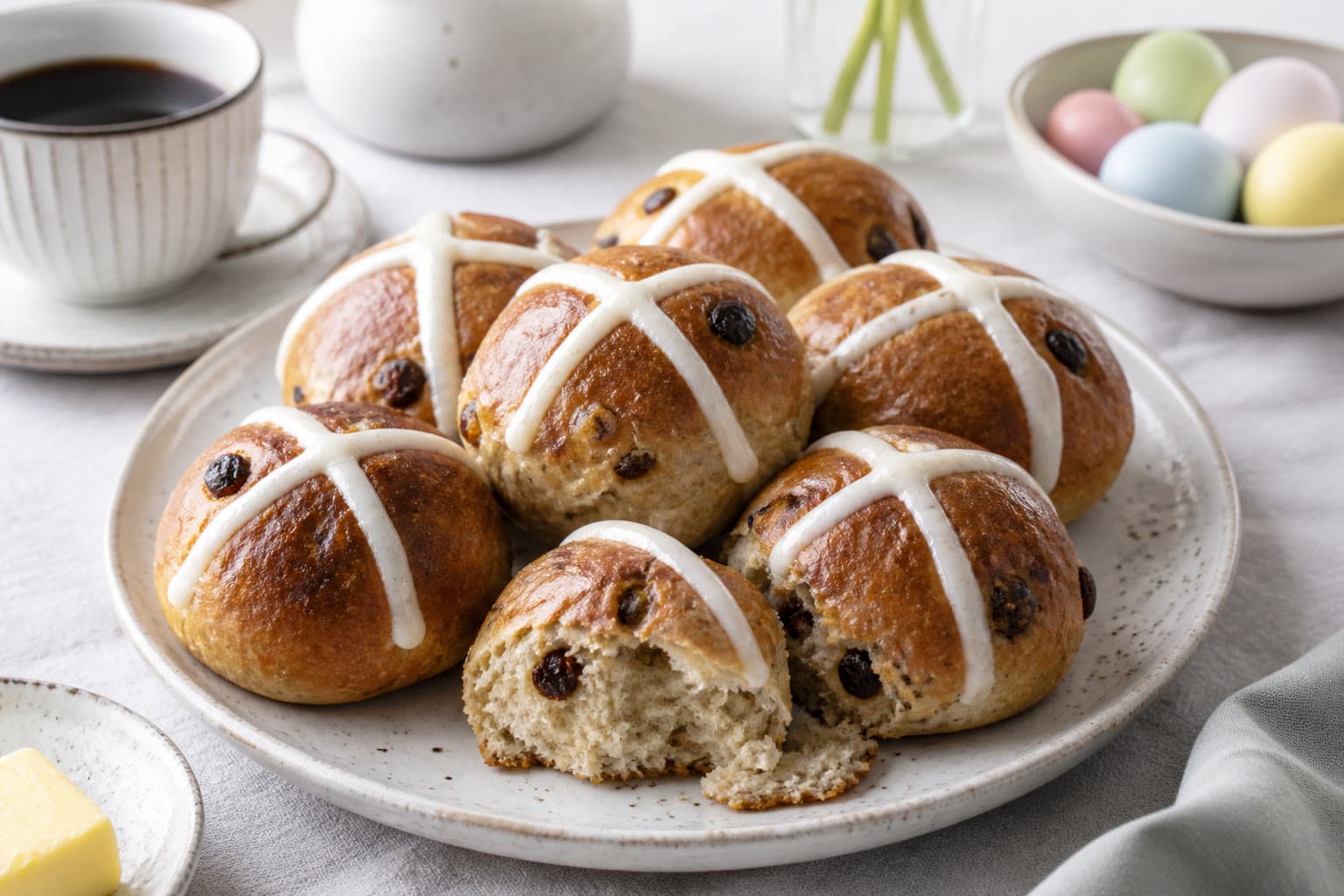
Spiced Easter buns with currants, orange zest, and a rice-flour cross. The paste is not wheat flour, and the oats in the blend are certified gluten-free.
Prep
50m
Psyllium gel
8 min
Bake
28m
Servings
12
Difficulty
intermediate
The short answer
Hot cross buns are a once-a-year smell: cinnamon, orange, and a sticky apricot finish. This gluten-free version uses a sorghum-oat-starch dough with 5.2% psyllium so the buns pull apart instead of crumbling into spiced sand. The cross is white rice flour and water, never wheat paste. Currants and raisins must be wheat-dust-free. I bake these on Good Friday in a 9x13 pan so they nestle and stay soft on the sides. They are enriched but not as fussy as panettone, which is why they sit next to it on the holiday shelf instead of competing with it. The oat flour is certified gluten-free only; regular oats are a cross-contact problem we do not take in this Indianapolis kitchen. Claire likes them split and toasted the next morning with more butter than the glaze already provided. Cool 20 minutes in the pan, then finish on a rack. No wheat, rye, or barley in the paste, the fruit, or the jar.
For the method behind gluten-free structure, read the gluten-free sourdough guide and keep a lively culture with the starter guide.
Why it works
- Psyllium at 5.2% lets enriched dough ball and proof in a pan without xanthan gum.
- Certified GF oat flour softens the sorghum edge so spices read as bun, not pumpernickel.
- A rice-flour cross bakes in place without introducing wheat paste to a celiac bun.
- Nesting the rolls in a 9x13 pan gives pull-apart sides that stay moist after the glaze.
Ingredients
- 160gsorghum flour
- 80gbrown rice flour
- 80gtapioca starch
- 50gpotato starch
- 50gcertified gluten-free oat flourCertified GF oats only
- 22gpsyllium husk powder5.2% of 420g flour
- 8gfine sea salt1.9% of 420g
- 4gground cinnamon
- 1gground allspice
- 1gfreshly grated nutmeg
- 300gwarm whole milk (95F / 35C)
- 100gactive gluten-free sourdough starter (100% hydration)24% of flour
- 55gunsalted butter, melted and cooled
- 55glight brown sugar, packed
- 50gegg (1 large)
- 6gorange zest
- 80gcurrants or raisinsWheat-free; toss with 5g tapioca
- 35gwhite rice flourFor the crosses
- 40gwaterFor the crosses
- 40gapricot jam, warmedGlaze
Equipment
- Digital scale
- 9x13-inch baking pan
- Parchment
- Piping bag or zip bag with a snipped corner
- Instant-read thermometer
Instructions
- 1
Whisk sorghum, brown rice flour, tapioca, potato starch, certified GF oat flour, salt, and spices until the cinnamon is even and the bowl smells like Easter morning.
3 min
- 2
Whisk psyllium into the warm milk. Rest 8 minutes until gelled, glossy, and pourable, like pale pudding.
8 min
- 3
Stir starter, melted butter, brown sugar, egg, and orange zest into the gel until it smells citrusy and tangy. Mix in the dry blend until thick and even. Fold in tapioca-tossed currants so they stay separate.
5 min
- 4
With wet hands, divide into 12 pieces of about 90g. Roll into balls that feel tacky but hold a round. Nestle in a parchment-lined 9x13-inch pan, leaving a finger of space.
10 min
- 5
Cover and ferment at 76F (24C) until the buns touch neighbors, look pillowy, and spring back slowly when poked, 4.5-5.5 hours.
4.5-5.5 hr
- 6
Heat oven to 375F (190C). Stir rice flour and 40g water into a pipeable paste that ribbons off a spoon. Pipe a cross on each bun. Do not use wheat flour paste.
10 min
- 7
Bake 25-28 minutes until the tops are bronze, the kitchen smells like orange and spice, and the center bun reads 200F (93C). Brush with warm apricot jam while hot so it shines.
25-28 min
- 8
Cool in the pan 20 minutes, then move to a rack. The sides should feel set, not gummy. Eat the same day if you can; gluten-free buns are a freshness sport.
20 min
Nutrition
Approximate values per serving. Always verify labels if you bake for celiac safety.
| Nutrient | Amount |
|---|---|
| Calories | 224 kcal |
| Protein | 5 g |
| Carbs | 38 g |
| Fat | 6 g |
| Fiber | 4 g |
| Sodium | 255 mg |
Substitutions
- Currants
- Chopped raisins or dried blueberries, wheat-free, 80g.
- Apricot jam
- Orange marmalade thinned with a teaspoon of water.
- Whole milk
- Certified GF oat milk, 300g.
- Brown sugar
- White sugar plus 5g molasses.
Storage
Best the day they are baked. Airtight at room temperature 1 day, or freeze up to 1 month. Thaw and warm 6 minutes at 325F (165C). Glaze again if they look dull.
Notes
- Certified gluten-free oat flour only. Regular oats are a cross-contact problem.
- If the cross paste runs, add 5g more rice flour. If it sits in a clump, add water 1 teaspoon at a time.
- Dairy-free: certified GF oat milk and plant butter sticks, same weights.
- Day-old buns split, toast, and take butter better than they take a sad microwave.
FAQ
Can the cross be icing instead of flour paste?
Yes, after baking and cooling: 60g powdered sugar plus 10g milk. The traditional baked-on cross in this recipe is rice flour so it stays gluten-free in the oven.
Are oats necessary?
They make the crumb taste closer to a British bun. You can replace the 50g certified GF oat flour with 50g sorghum. Do not use supermarket oats that are not certified gluten-free.
Can I make them overnight?
Shape, cover, and refrigerate after 1 hour at room temperature. Next morning, warm 45-60 minutes, pipe crosses, and bake. Cold dough pipes cleaner crosses.
Why did my buns crack besides the cross?
The oven was too hot or the proof was shy. 375F and a full, puffy proof keep the expansion gentle.
Can I add candied peel like panettone?
Up to 40g chopped gluten-free candied orange, folded in with the currants. More than that and the buns split while baking.
Bake next
Related recipes
Holiday
ADVANCED
HOLIDAY
APR 23, 2026
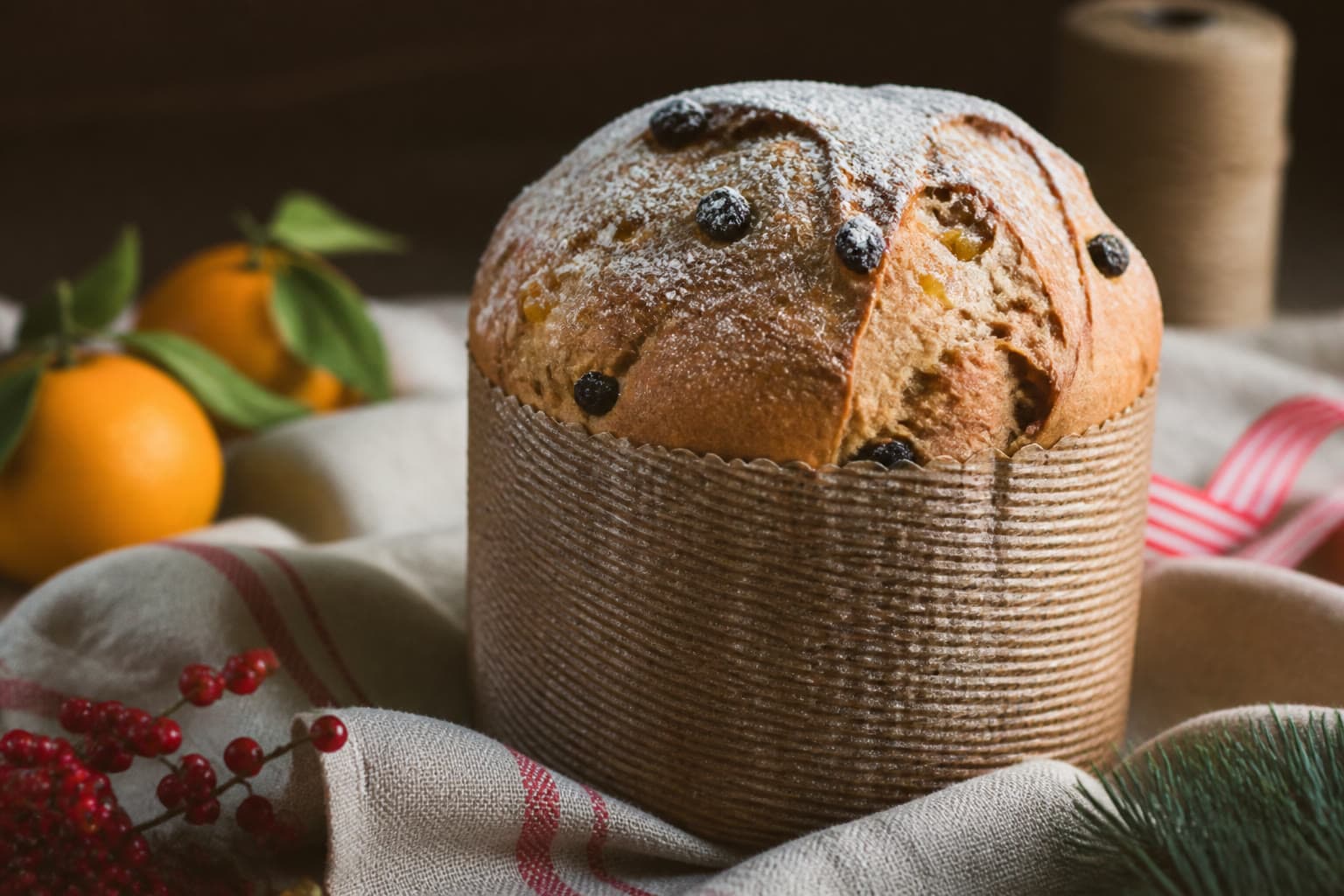
Gluten-Free Sourdough Panettone
An advanced holiday panettone: long ferment, citrus, raisins, and a tall mold. It will not shred like wheat. It will still feel like a celebration.
Discard
BEGINNER
DISCARD
JUN 18, 2026
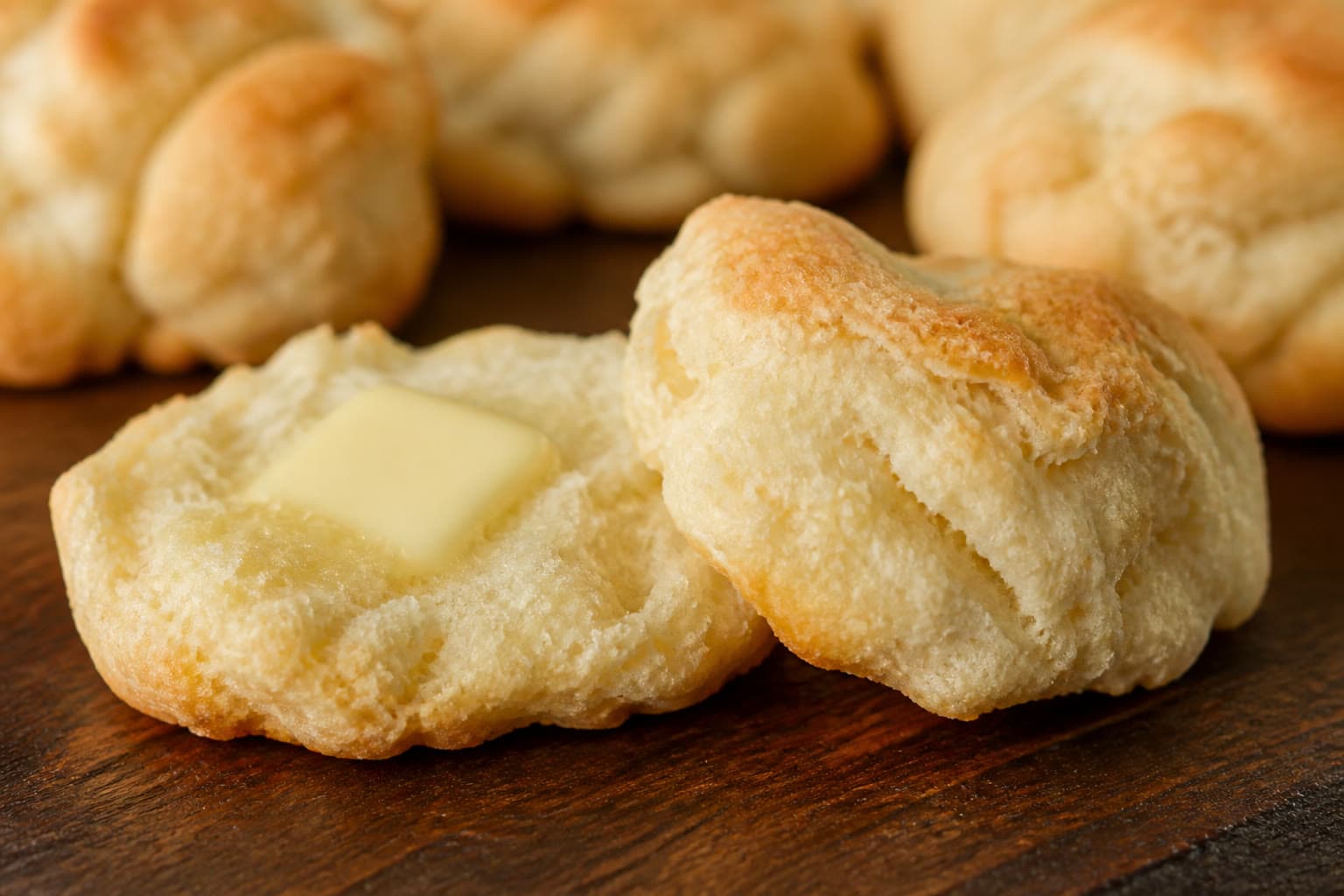
Gluten-Free Sourdough Discard Biscuits
Cold-butter biscuits that fold unfed starter into the dough instead of extra buttermilk. Tall, tangy, and weeknight-fast.
Holiday
INTERMEDIATE
HOLIDAY
APR 9, 2026
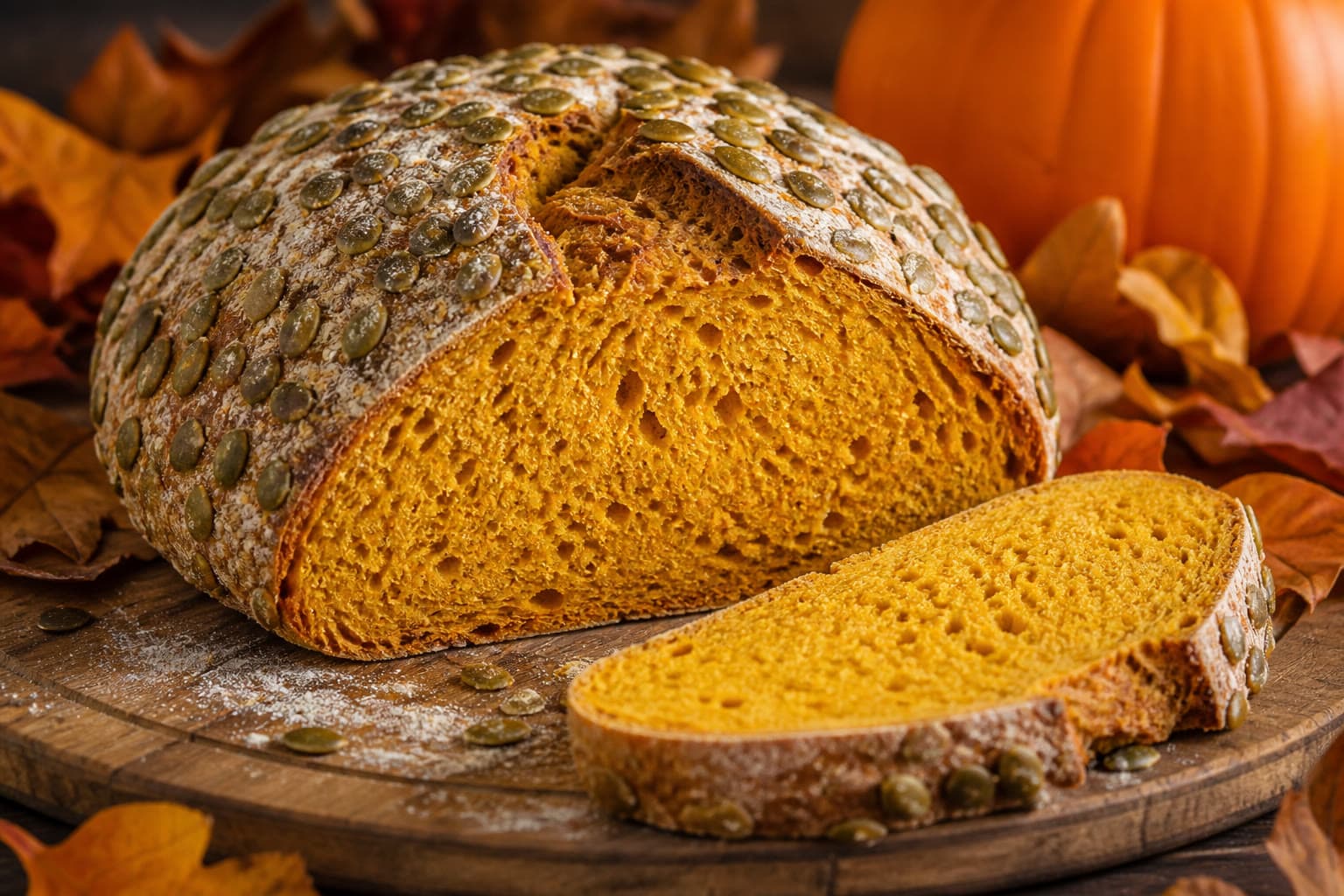
Pumpkin Sorghum Sourdough Loaf
Holiday sorghum boule with real pumpkin puree, warm spice, and a pepita crust. Pie filling stays in the pie.
Technique
Keep the method close
Psyllium, fermentation temperature, and a celiac-safe starter matter as much as the formula.
About Andrew Kittridge
Home baker in Indianapolis documenting gluten-free sourdough: psyllium structure, whole-grain blends, and loaves that actually taste like bread.
More about the kitchen