Technique
Sourdough Discard vs Active Starter
Active gluten-free starter is peaked and gassy, for bread. Discard is unfed and acidic, for pancakes and crackers. Using the wrong one is how loaves go dense.
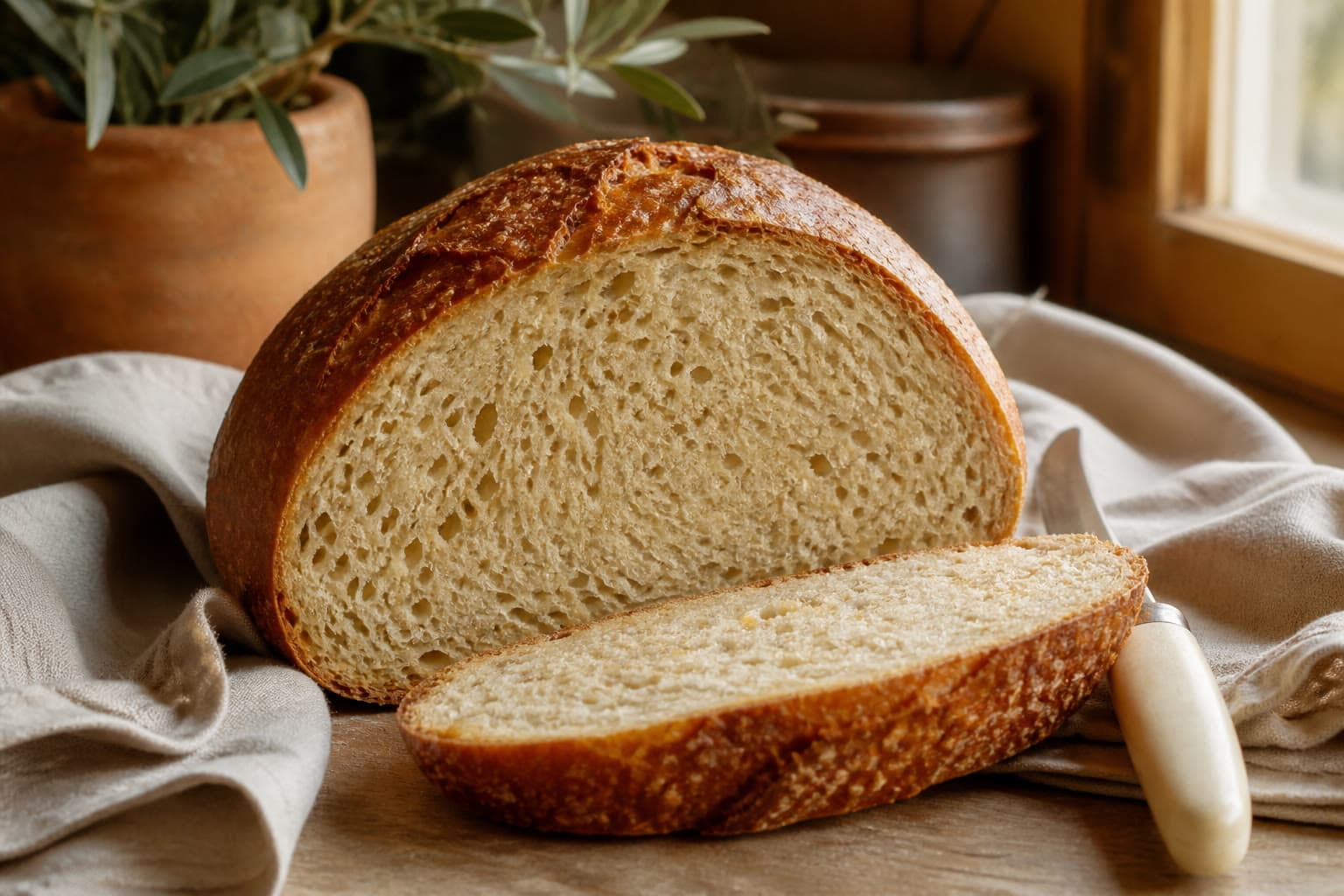
What 'active' means in a gluten-free jar
After a 1:1:1 feeding at 72-76F, the culture should rise, dome, look mousse-light, and smell pleasantly sour within a handful of hours. That is active. A spoonful may float. It may not. Gluten-free batter is denser than wheat starter; we trust volume and aroma more than a party trick in a glass of water.
After the peak, the culture falls, acid climbs, and yeast activity drops relative to the hungry bacteria. That collapsed jar can still flavor a dough, but it will not give you the gas budget of a peak. Catch it on the way up. The starter basics post is the feeding schedule. This post is the fork in the road.
- Active: peaked, gassy, for bread and anything that must rise.
- Discard: unfed or leftover, acidic, for flavor in batters that have another leavener or do not need much lift.
- Hooch: a hungry sign. Stir or pour, then feed. Do not call hooch 'active.'
What discard is good for
Flavor. Tenderness from acidity. A place to put the 80g you would otherwise rinse down the sink. Pancakes, waffles, crackers, certain cookies, a quick flatbread that also uses baking powder. Discard is an ingredient with a sour personality, not a yeast packet.
Gluten-free discard can be more alcoholic, more acidic, and looser than wheat discard because the flours break down differently. Taste it. If it is painfully sharp, use less or feed the jar more often. If it is moldy, compost it. There is no 'just scrape the top' in a celiac kitchen if the mold is real.
Why discard fails as bread leaven
A fridge jar that has not been fed in a week is a museum of acid. Yeast populations are low. The dough will proof slowly, then maybe not at all, while enzymes chew the starch. You will bake a sour brick and add more psyllium next time, which is the wrong lever.
If you only have discard on mix morning, give it a feeding and wait for a peak, or bake pancakes. Do not split the difference by adding a full packet of commercial yeast and still calling it a sourdough boule unless you are honest about the hybrid. Hybrids can be tasty. They should be labeled in your own notes so you can repeat them.
How much discard is 'a lot' in gluten-free dough
Even active starter is often 15-25% of dough flour weight in our formulas. That already adds water and acid. Swapping in a huge percentage of discard because you feel guilty will tank both hydration math and pH. If you want to use extra discard, pick a batter recipe, not a hearth formula.
Count discard water in hydration. 100g of 100% hydration discard is 50g flour and 50g water. People forget, then wonder why the gel collapsed. Hydration and crumb exists because of this arithmetic.
Fridge maintenance without a guilt spiral
Feed, let it get slightly lively, refrigerate. Once a week, pull, discard or use, feed, return. Before a bake, pull 12-24 hours ahead and give one or two room-temperature feedings until peaked. That peaked bowl is active starter. The stuff you scraped off before those feedings is discard.
You do not have to bake bread every time you feed. You do have to feed. A neglected gluten-free jar often still recovers after a couple of honest feedings. Recovery is not the same as 'use tonight.'
A simple decision tree
Does the jar look peaked and smell friendly? Mix same-day gluten-free sourdough or the classic boule. Is it cold, fallen, and sharp? Pancakes, or feed and wait. Are you somewhere in between? Feed and wait. The in-between is where disappointment lives.
If you want one sentence for search engines and for your own tired brain: active starter leavens gluten-free bread; discard flavors recipes that do not depend on that leavening.
What we do on a real Tuesday
Morning: feed the jar. Evening: if it peaked, mix dough or fridge it at peak for a morning bake. If we fed more than we needed, the extra goes to pancake batter in the fridge, not into a desperate double batch of boules.
The fermentation schedules guide will help you place that Tuesday on a calendar. The weather will still try to lie to you. Measure the peak, not the day of the week.
FAQ
Frequently asked questions
What is the difference between sourdough discard and active starter?
Active starter is recently fed and at peak rise, used to leaven bread. Discard is unfed leftover, used for flavor in pancakes, crackers, and other recipes that do not rely on that rise.
Can I use discard to bake gluten-free sourdough bread?
Not as the sole leaven if you want oven spring. Feed the discard and wait for a peak, or choose a recipe designed for discard plus another leavener.
How do I know my gluten-free starter is active?
It should dome and aerate within a few hours of feeding at 72-76F, smell pleasantly sour, and look mousse-like. Do not rely only on a float test.
How long can I keep gluten-free discard in the fridge?
A few days to a week is comfortable for us if it smells clean and shows no mold. The longer it sits, the more acidic and less useful for lift it becomes.
Does discard still contain gluten-free flour only?
Only if the starter was always fed gluten-free flours in a dedicated jar. Discard inherits every contamination the culture ever had.
What is the best use for gluten-free sourdough discard?
Pancakes, waffles, and crackers are the easy wins. Use a tested recipe such as our discard pancakes rather than stuffing extra discard into a boule formula.