Artisan Loaves · intermediate
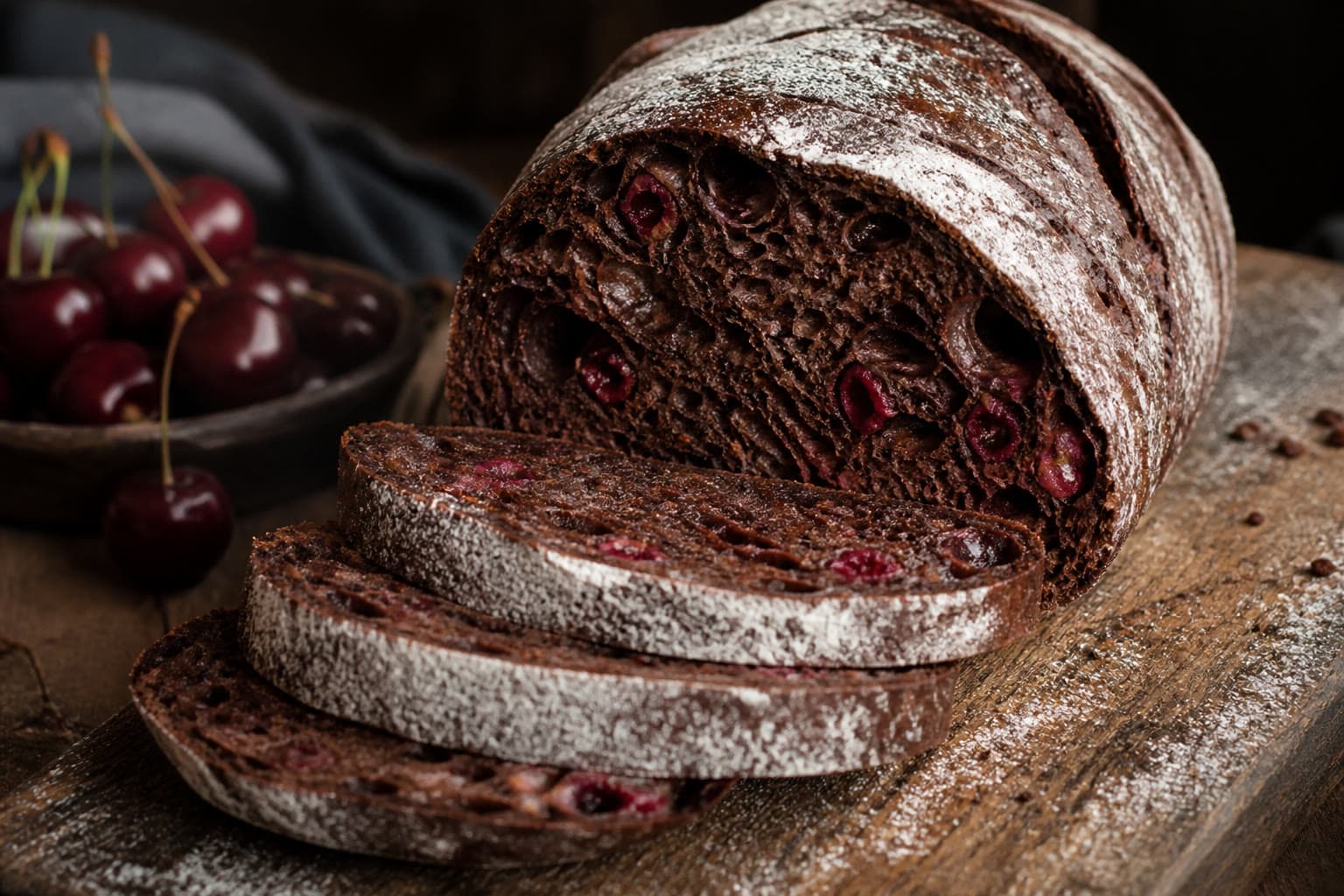
Chocolate-Cherry Gluten-Free Sourdough Loaf
Key takeaway
Cocoa bread stays sliceable when psyllium is 5% of flour weight, hydration sits near 96%, the cherries are dried and wheat-free, and you wait the full two hours before cutting.
A cocoa-dark boule studded with tart cherries. Psyllium keeps the crumb sliceable; the starter keeps it from tasting like a muffin.
Prep
40m
Psyllium gel
8 min
Bake
55m
Servings
12
Difficulty
intermediate
The short answer
This is the loaf I bake when Indianapolis is grey and the dried-cherry bag is already open on the counter. Claire calls it our winter brownie bread, which is only half a joke: Dutch-process cocoa, a sorghum-rice-starch blend, and 5% psyllium husk powder build a real crust and a tight, fudgy crumb that still toasts. The cherries stay whole if you toss them in a spoon of tapioca; regular chocolate-chip-bread logic does not apply here because gluten-free dough is a batter until the gel sets. Use unsweetened dried cherries that are not dusted with wheat flour, and chocolate that is labeled gluten-free. Cool the loaf a full two hours or the center stays gummy, which is starch chemistry, not a personality flaw. No wheat, rye, or barley in the blend, the fruit, or the chocolate. It smells like cocoa and yogurt while it proofs, then like a bakery next to a cherry orchard when you finally cut it.
For the method behind gluten-free structure, read the gluten-free sourdough guide and keep a lively culture with the starter guide.
Why it works
- Psyllium at 5.1% forms a gel network that traps gas the way gluten would, so a high-cocoa dough can still rise instead of baking into a brownie puck.
- Dutch-process cocoa is neutralized, so it does not fight the starter's acidity the way natural cocoa does.
- Sorghum brings chocolate-friendly grain flavor; tapioca and potato starch keep the slice from crumbling around the cherries.
- Tossing fruit in starch keeps wet surfaces from drilling holes in the crumb.
Ingredients
- 170gsorghum flour
- 100gbrown rice flour
- 90gtapioca starch
- 50gpotato starch
- 40gDutch-process cocoa powderNatural cocoa is more acidic and can dull the rise
- 23gpsyllium husk powder5.1% of 450g flour-plus-cocoa; do not use whole husks 1:1
- 9gfine sea salt2.0% of 450g
- 2ginstant espresso powderOptional; deepens cocoa without tasting like coffee
- 430gwarm water (95F / 35C)95.6% hydration on 450g
- 120gactive gluten-free sourdough starter (100% hydration)Sorghum or brown rice starter; 27% of flour
- 25gmaple syrup
- 20golive oil or melted coconut oil
- 5gvanilla extract
- 90gunsweetened dried cherriesConfirm they are not wheat-dusted
- 5gtapioca starch, for tossing cherries
- 50gcertified gluten-free dark chocolate chunksOptional
Equipment
- Digital scale
- Dutch oven (4-6 qt) with lid
- Banneton or medium mixing bowl
- Parchment paper
- Bread lame or sharp knife
- Instant-read thermometer
Instructions
- 1
Whisk sorghum, brown rice flour, tapioca, potato starch, cocoa, salt, and espresso in a wide bowl until the cocoa disappears into an even mahogany dust. Gluten-free cocoa clumps; take the extra 20 seconds so you do not find bitter pockets later.
5 min
- 2
In a separate bowl, whisk psyllium husk powder into the warm water until it looks like a thin gel. Rest 8 minutes. It should pull into a glossy, pourable jelly that smells faintly grassy, not wallpaper paste.
8 min
- 3
Stir starter, maple, oil, and vanilla into the psyllium gel until it smells like cocoa yogurt. Add the dry blend and mix with a stiff spatula or dough hook until no dry flour remains. The dough will look like thick brownie batter. That is correct.
4 min
- 4
Toss dried cherries (and chocolate, if using) with 5g tapioca. Fold them through the dough in 8 to 10 strokes so they stay distributed instead of sinking into one chocolate equator.
3 min
- 5
Line a banneton or a medium bowl with a clean cloth dusted with rice flour. Wet your hands, shape the dough into a round that feels heavy and shiny, and set it seam-side up. Cover so the surface does not skin.
5 min
- 6
Bulk ferment at 75-78F (24-26C) until the dough is puffy, jiggly, and risen about 50%, not doubled. It should smell like cocoa and green apple. Gluten-free loaves overproof into pudding if you wait for a wheat-style double.
4.5-5.5 hr
- 7
Heat a Dutch oven at 450F (230C) for 40 minutes. Turn the loaf onto parchment, score a shallow cross (deep scores collapse cocoa dough), and load it into the pot. You should hear a faint hiss as the wet skin meets the hot iron.
40 min preheat
- 8
Bake covered 32 minutes. Uncover, drop to 425F (220C), and bake 20-23 minutes more until the crust is matte, the loaf sounds hollow, and an instant-read thermometer in the center reads 205-210F (96-99C).
52-55 min
- 9
Cool on a rack at least 2 hours before slicing. The starches are still setting; early slices gum up and you will blame the recipe instead of the clock. The crumb should feel springy, not wet, when you finally cut.
2 hr
Nutrition
Approximate values per serving. Always verify labels if you bake for celiac safety.
| Nutrient | Amount |
|---|---|
| Calories | 198 kcal |
| Protein | 4 g |
| Carbs | 36 g |
| Fat | 5 g |
| Fiber | 5 g |
| Sodium | 292 mg |
Substitutions
- Dried cherries
- Dried cranberries or chopped dried plums, still tossed in tapioca. Avoid wheat-dusted fruit.
- Maple syrup
- Honey or 25g light brown sugar dissolved in the gel water.
- Brown rice flour
- Certified gluten-free oat flour, same weight. Confirm certified GF oats.
- Dutch-process cocoa
- Natural cocoa plus 3g extra maple; expect a slightly shorter proof.
Storage
Cool completely, a full 2 hours. Store cut-side down, wrapped, at room temperature 2 days. Slice and freeze up to 2 months. Toast from frozen; refrigeration stales gluten-free crumb faster than the counter.
Notes
- Baker's math: 23g psyllium on 450g flour-plus-cocoa is 5.1%. Whole husks need about 1.5 times the weight and make a rougher crumb.
- Dried cherries are sometimes coated in wheat flour. Read the label. If they look dusty, rinse and pat dry, then toss in tapioca.
- Do not swap natural cocoa 1:1 for Dutch-process without adding 3g more maple; the extra acidity slows the starter.
- This loaf is dairy-free as written if your chocolate is dairy-free. Butter in the dough makes a softer crust, not a better one.
FAQ
Can I use fresh cherries instead of dried?
Not in this dough. Fresh cherries bleed and collapse the already-fragile gluten-free structure. Use dried, or roast fresh cherries separately and serve them on slices.
Why does my chocolate sourdough taste bitter?
You likely used natural cocoa, skipped the maple, or cut the loaf hot. Dutch-process cocoa plus 25g maple keeps the crumb chocolatey instead of dusty. Cooling a full 2 hours also sweetens the perception.
Is cocoa gluten-free?
Pure cocoa is gluten-free. In a celiac kitchen I still buy brands that test or dedicate lines, because cocoa is a powder that shares facilities with wheat mixes. Same rule for chocolate chunks.
Can I proof this overnight in the fridge?
Yes, after 2 hours at room temperature. Cold cocoa dough is stiff; let it sit 30 minutes on the counter while the Dutch oven heats so scoring does not tear the skin.
Do I need xanthan gum if I already use psyllium?
No. Stacking gums with 5% psyllium makes a rubbery, damp crumb. Psyllium is the binder here; xanthan is a different recipe.
Bake next
Related recipes
Sweets
BEGINNER
SWEETS
JUL 16, 2026
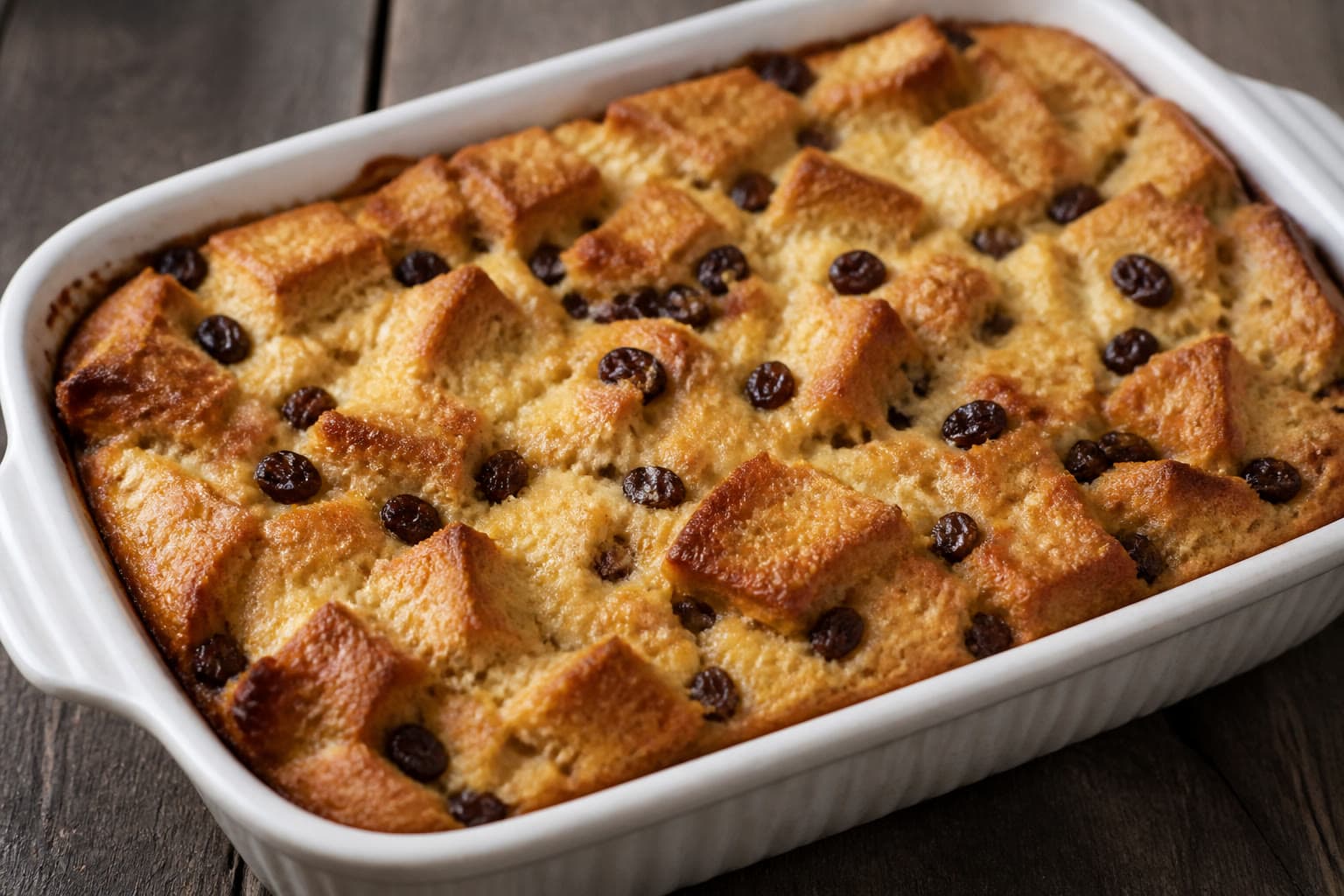
Gluten-Free Sourdough Bread Pudding
Stale gluten-free sourdough cubes soaked in vanilla custard. Pumpkin loaf or chocolate-cherry both work; wheat bread does not.
Holiday
ADVANCED
HOLIDAY
APR 23, 2026
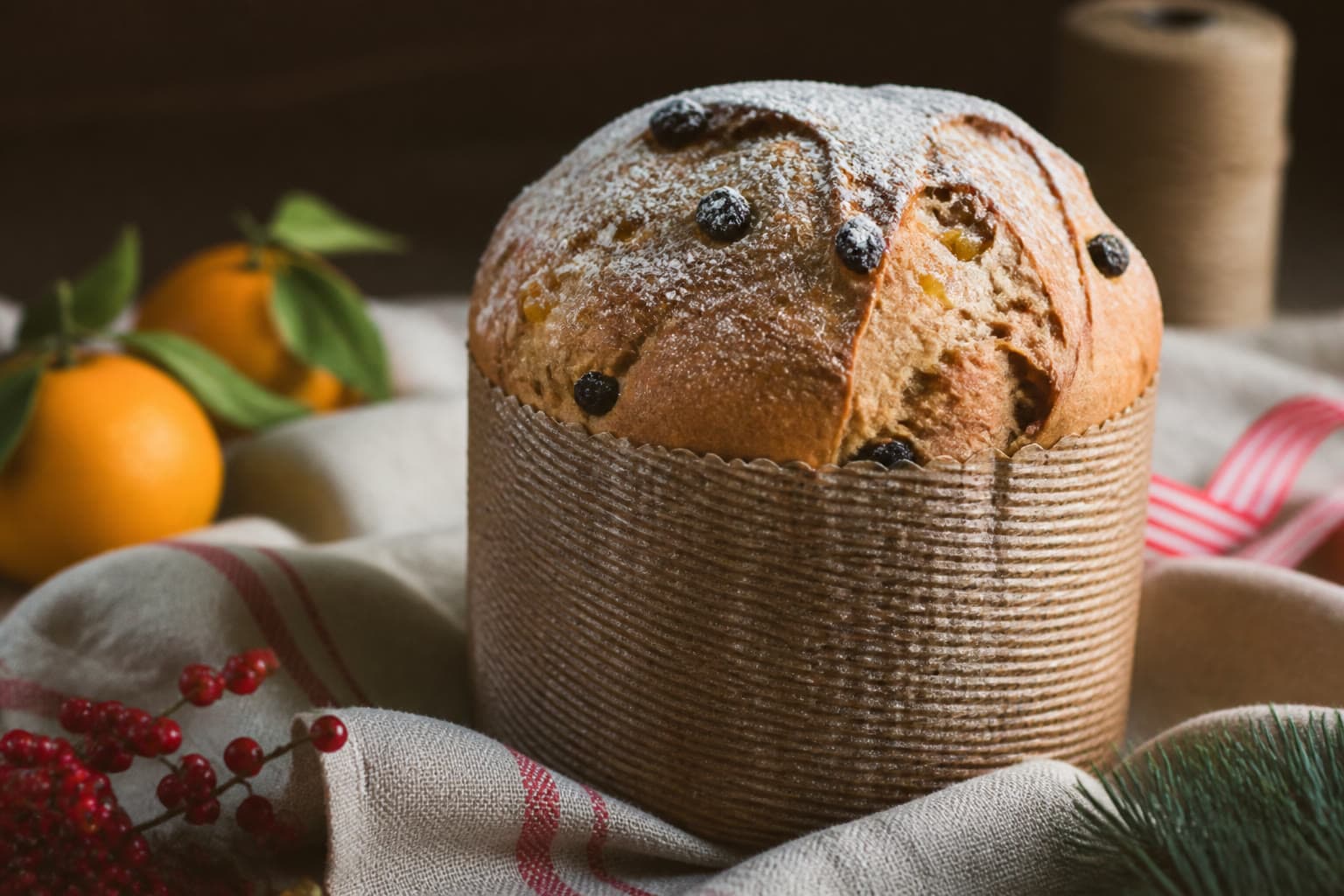
Gluten-Free Sourdough Panettone
An advanced holiday panettone: long ferment, citrus, raisins, and a tall mold. It will not shred like wheat. It will still feel like a celebration.
Holiday
INTERMEDIATE
HOLIDAY
APR 9, 2026
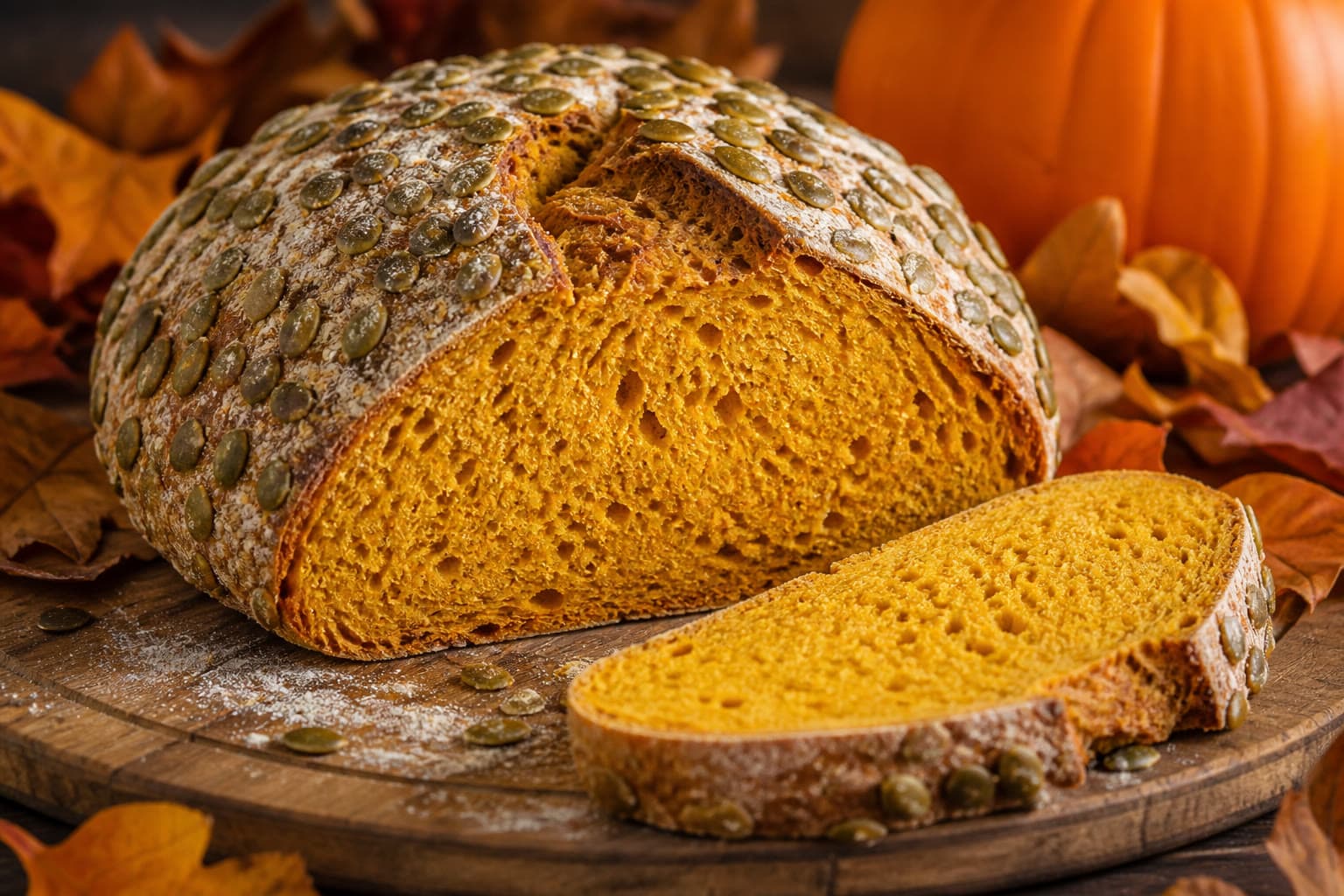
Pumpkin Sorghum Sourdough Loaf
Holiday sorghum boule with real pumpkin puree, warm spice, and a pepita crust. Pie filling stays in the pie.
Technique
Keep the method close
Psyllium, fermentation temperature, and a celiac-safe starter matter as much as the formula.
About Andrew Kittridge
Home baker in Indianapolis documenting gluten-free sourdough: psyllium structure, whole-grain blends, and loaves that actually taste like bread.
More about the kitchen