Artisan Loaves · advanced
High-Hydration Ciabatta
Key takeaway
Gluten-free ciabatta is 110% hydration, 5.6% whole psyllium, dimpled with olive oil, and baked on a steel with steam — no Dutch oven required.
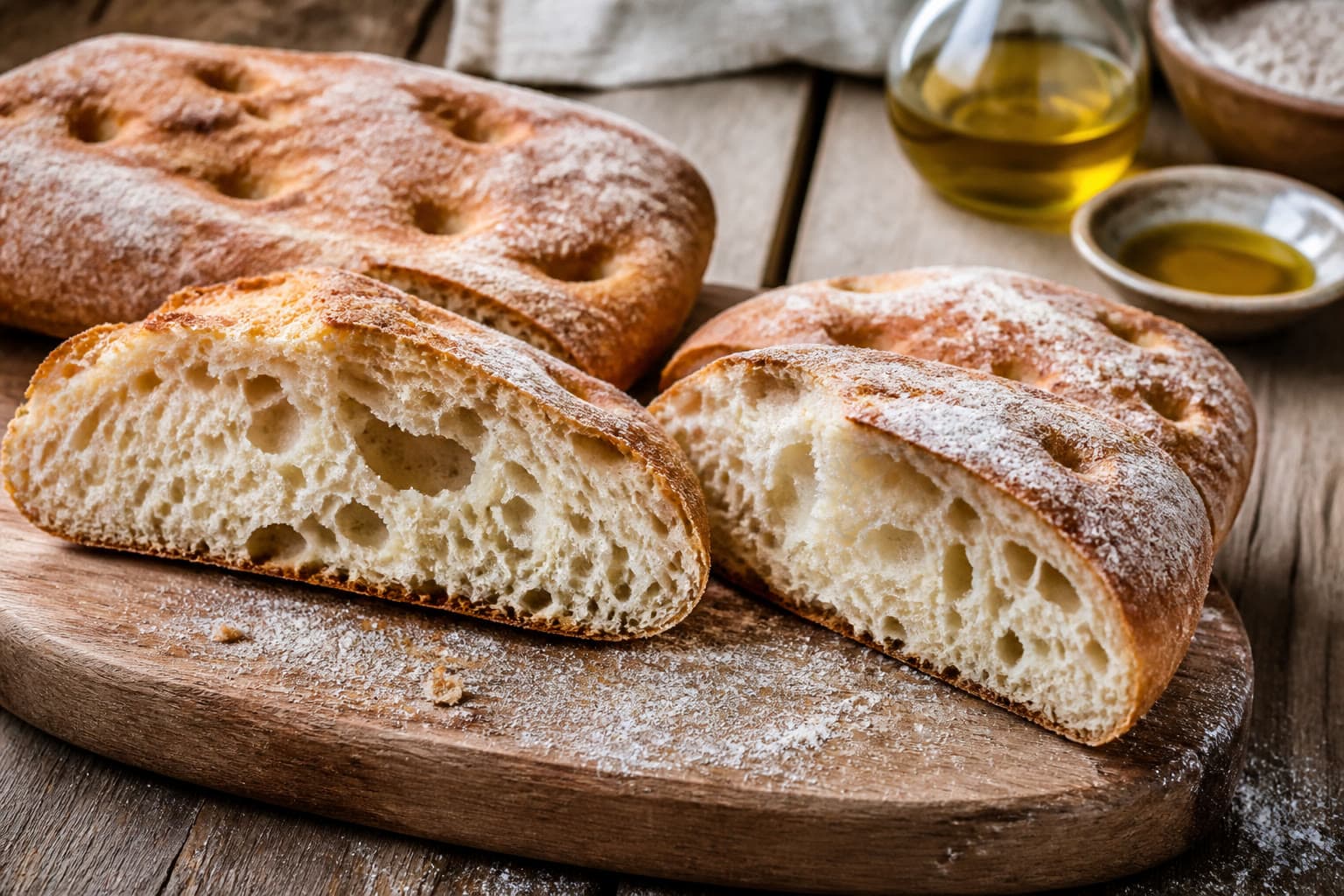
A 110% hydration gluten-free ciabatta dimpled with olive oil and baked on a steel with steam — no Dutch oven required.
Prep
35m
Batter rest
20 minutes
Bake
35m
Servings
10
Difficulty
advanced
The short answer
Ciabatta is where gluten-free dough is allowed to look as wet as it actually is. Hydration is 110 percent of flour weight, the top of our lean window, so the mix stays a thick batter that you spread, not a ball you round. Whole psyllium husk at 5.6 percent is enough structure without turning slipper bread into a bouncy cake. Salt is 2 percent. Starter is 20 percent brown rice. Olive oil is both in the dough and on the surface for those bakery dimples. There is no Dutch oven here on purpose: we bake on a preheated steel or stone at 500F with a pan of boiling water for steam, then finish in dry heat so the crust stays thin and the interior stays open. The dough should look like glossy, dimpled batter with bubbles under the skin. Cool at least two hours even though the loaf is flatter; wet crumb still needs to set. Tear it for olive oil, split it for sandwiches, or cut slabs for gluten-free panzanella. If you try to knead this into a wheat-style loaf you will add flour and lose the ciabatta entirely.
For the method behind gluten-free structure, read the gluten-free sourdough guide and keep a lively culture with the starter guide.
Why it works
- 110% water plus a starchier blend creates gelatinized, open crumb when steam delays crust set.
- Dimples increase surface area so the wet dough can bake through without a pot.
- Olive oil tenderizes the crust so it stays thin.
- Removing steam for the finish lets the 208–210F center dry instead of staying paste.
Ingredients
- 200g (1 2/3 cups)sorghum flour
- 150g (1 cup minus 1 Tbsp)brown rice flour
- 150g (1 1/4 cups)tapioca starch
- 28g (about 5 1/2 Tbsp)whole psyllium husk5.6% of flour weight; lower end because the dough stays very wet
- 10g (1 3/4 tsp)fine sea salt2% of flour weight
- 100g (1/3 cup plus 1 Tbsp)active brown-rice starter (100% hydration)20% of flour
- 550g (2 1/3 cups)lukewarm water (80F)110% hydration
- 20g (1 1/2 Tbsp)extra-virgin olive oilin the dough
- 10g (2 tsp)extra-virgin olive oilfor dimpling the surface
- as neededrice flour and oil, for the pan
Equipment
- Digital kitchen scale
- Large mixing bowl
- Quarter-sheet pan or baking sheet
- Baking steel or stone
- Metal steam pan
- Kettle for boiling water
- Parchment paper
- Wire rack
- Instant-read thermometer
Instructions
- 1
Whisk sorghum, brown rice, tapioca, whole psyllium husk, and salt. This mix is starchier than the artisan boule on purpose so 110% water can still gelatinize into an open crumb.
3 minutes
- 2
Stir starter into the 550g water with 20g olive oil. Pour over the flours and beat 90 seconds. You should have a glossy, pourable-but-thick batter that ribbons off the spatula, not a mound. That is correct.
5 minutes
- 3
Rest 20 minutes. The batter should thicken toward a jiggly pudding that still slumps when you tilt the bowl. If it sets into a ball, your husk was heavy-handed; wet your hands and spread it anyway.
20 minutes
- 4
Oil a quarter-sheet pan or a parchment-lined baking sheet. Scrape the dough into a rough rectangle about 1 inch thick. Do not try to round it. With oiled fingers, dimple deeply, like focaccia, until the surface is pocked and shiny.
5 minutes
- 5
Proof uncovered or loosely covered at 75–78F until the slab looks inflated, bubbly under the skin, and about 50 percent thicker. It should smell olive and lactic. If a dimple fills right in, it is still tight; wait. If the slab melts into a puddle, it went long — bake it as a thinner bread.
3.5–4.5 hours
- 6
Put a baking steel or stone on the middle rack and a metal pan on the floor of the oven. Preheat at 500F for 45 minutes. Boil a kettle of water near the end.
45 minutes
- 7
Dimple again with 10g oil. The dough should feel airy and wet, leaving deep fingerprints that slowly relax. Slide the parchment onto the steel. Pour the boiling water into the floor pan and shut the door. Keep your face back from the steam.
2 minutes
- 8
Bake with steam 20 minutes. The loaf should rise and look pale and blistered. It will not bounce like wheat ciabatta; look for inflation and dulling of the wet shine.
20 minutes
- 9
Remove the steam pan carefully. Bake 12–15 minutes more until the crust is gold, the bottom sounds hollow, and the center reads 208–210F. Edges should feel set, not wet-flexible.
12–15 minutes
- 10
Cool on a rack at least 2 hours. High-hydration crumb is the last place to rush a knife. The interior should look open and irregular, with a thin crust and olive sheen, not a gummy core.
2 hours
- 11
Tear or slice with a serrated knife. A good loaf shows holes without collapsing. If the center is shiny paste, it needed more dry-heat time, not more flour next round.
2 minutes
Nutrition
Approximate values per serving. Always verify labels if you bake for celiac safety.
| Nutrient | Amount |
|---|---|
| Calories | 198 kcal |
| Protein | 3 g |
| Carbs | 38 g |
| Fat | 4 g |
| Fiber | 3 g |
| Sodium | 390 mg |
Substitutions
- Baking steel
- A baking stone, or an inverted heavy sheet pan preheated 45 minutes. Avoid thin cookie sheets; they warp and underbake.
- Tapioca at 30%
- 20% tapioca and 10% potato starch for a slightly more tender interior.
- Whole psyllium husk (28g)
- 24g psyllium powder mixed into the dry flours.
Storage
Ciabatta stales fast. Eat the first day, or freeze split pieces and toast. A towel keeps the crust from rubbering in plastic.
Notes
- 110% hydration should look like thick batter. If you add flour until it kneads, it is no longer ciabatta.
- No Dutch oven required: steel plus a steam pan is the method.
- Psyllium is slightly lower (5.6%) so the crumb can stay open. Jumping to 7% makes focaccia-cake.
- Oil on the surface is for dimples and flavor, not for frying the crust.
- Cool 2 hours. This is the wettest loaf in the set.
FAQ
Do I need a Dutch oven for gluten-free ciabatta?
No. This loaf is designed for a baking steel or stone with a pan of boiling water for steam, then a dry finish. A Dutch oven makes a thicker crust than we want on ciabatta.
What does 110% hydration look like without gluten?
A glossy, thick batter that slumps and can be spread into a rectangle. After psyllium hydrates it is jiggly, not kneadable. Spreading and dimpling replace shaping.
Why is psyllium a bit lower in ciabatta than in the boules?
Whole husk at 5–7% is the lean-bread range. We sit at 5.6% so the extra water can still make an open crumb. Seven percent plus 110% water can bake up bouncy and tight.
Can I bake this as two smaller ciabattas?
Yes. Divide the batter into two oiled ovals after the rest. Reduce the dry-heat finish by a few minutes and still check 208–210F.
Why is my ciabatta gummy in the middle?
Sliced too soon, underbaked, or steam left in the oven the whole time. Remove the water pan for the last 12–15 minutes so the center can dry to a set crumb.
Bake next
Related recipes
Flatbreads
BEGINNER
FOCACCIA
MAR 1, 2026
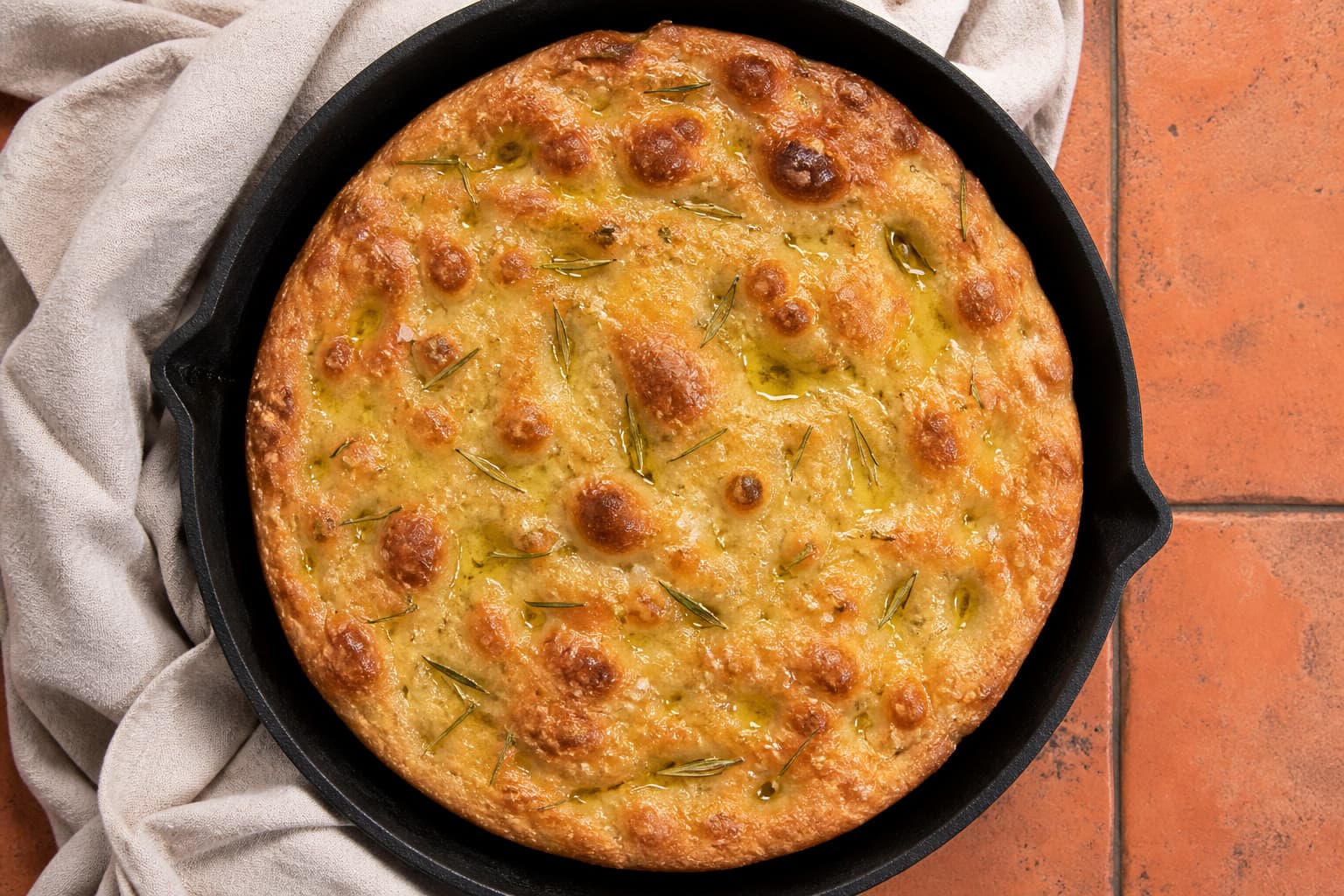
Gluten-Free Sourdough Focaccia
A pan of 105% hydration dough, dimpled in olive oil, with a crisp bottom and a plush, salty top.
Artisan Loaves
ADVANCED
BAGUETTES
JUL 16, 2026
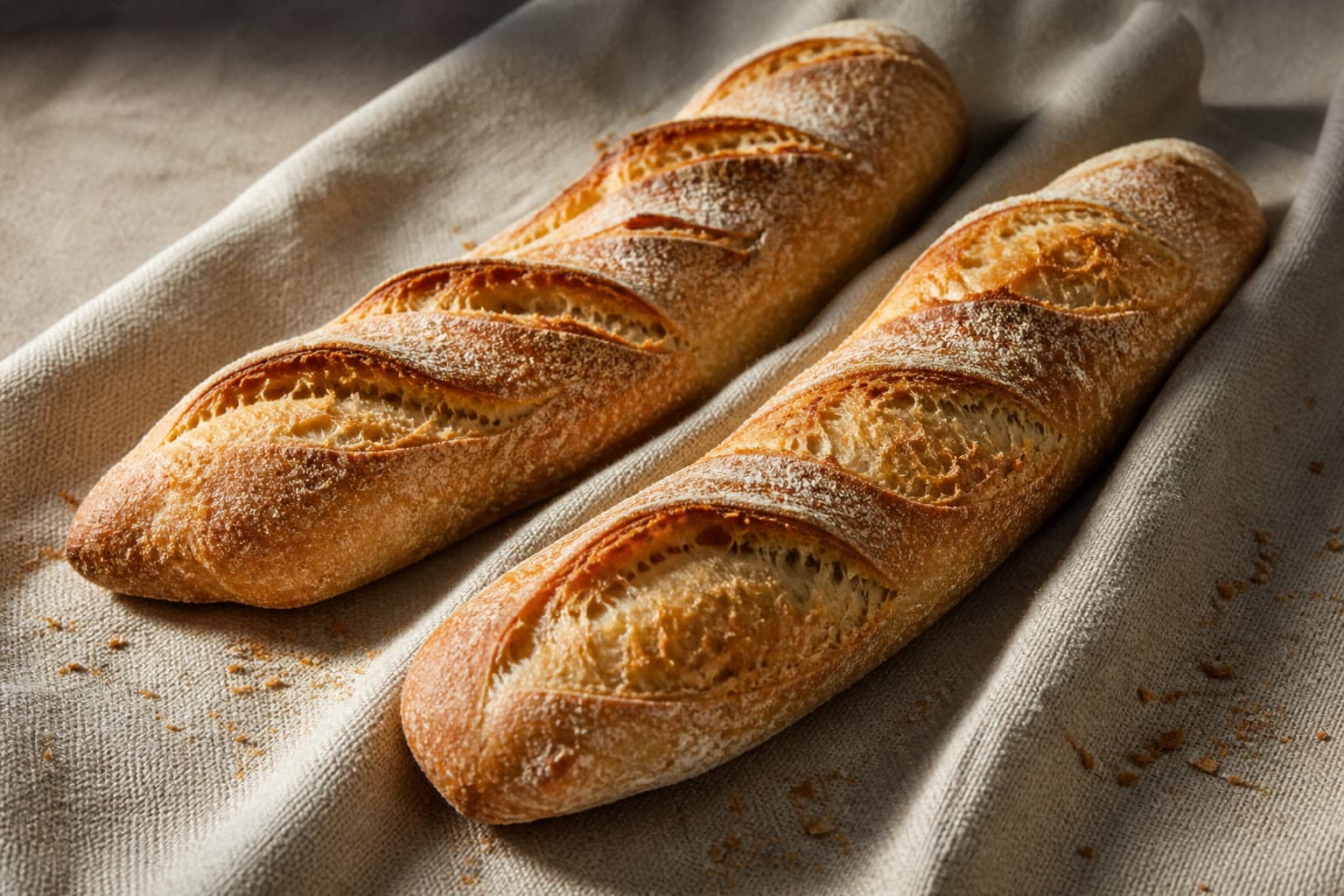
Rustic Gluten-Free Baguettes
Two steam-baked baguettes from a 95% hydration dough with extra psyllium for a shape that holds a slash.
Artisan Loaves
INTERMEDIATE
GLUTEN FREE SOURDOUGH
NOV 7, 2025
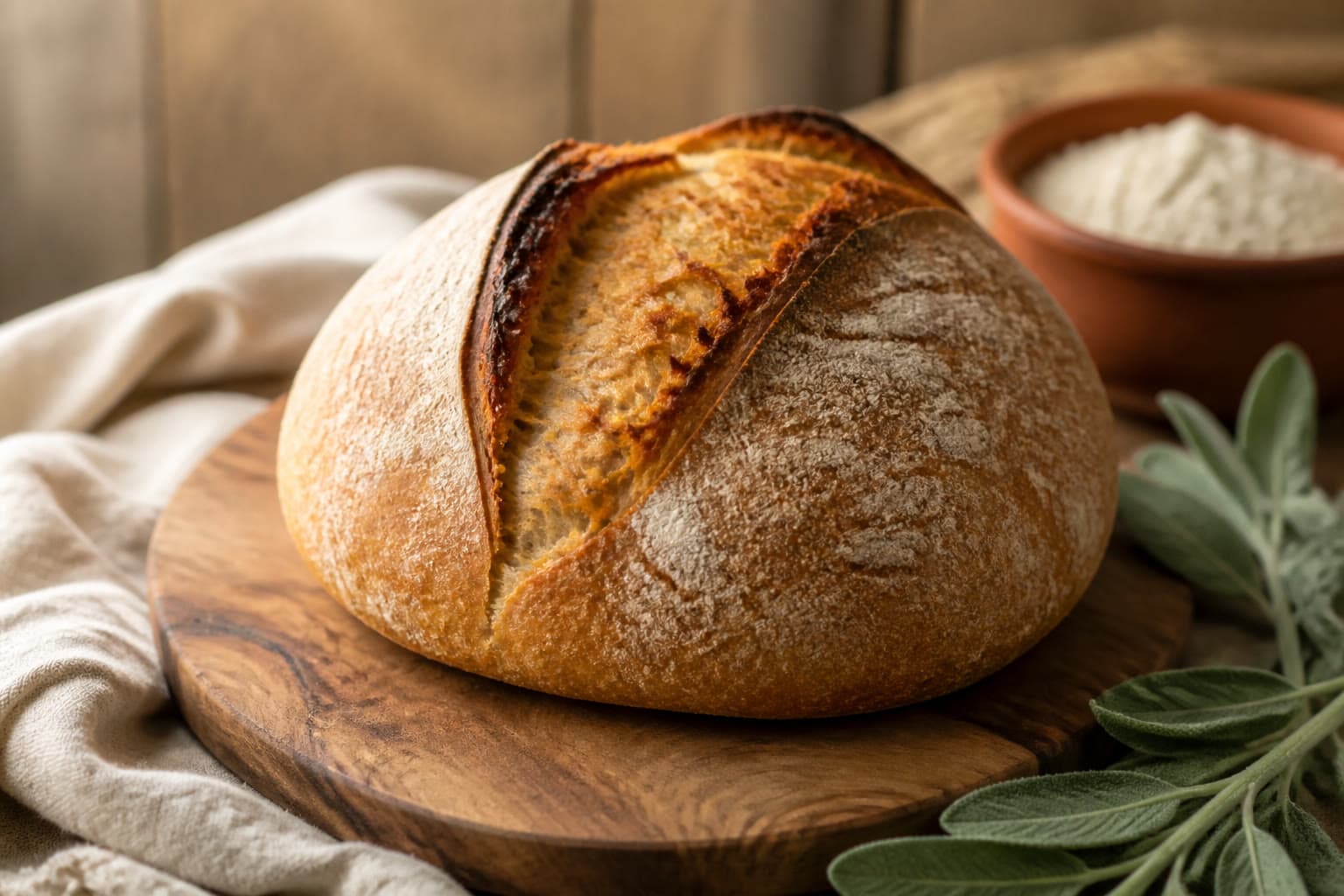
Artisan Gluten-Free Sourdough Bread
Our upgraded house boule: King Arthur gluten-free bread flour, whole psyllium husk, and a 500F Dutch oven for a blistered crust.
Technique
Keep the method close
Psyllium, fermentation temperature, and a celiac-safe starter matter as much as the formula.
About Andrew Kittridge
Home baker in Indianapolis documenting gluten-free sourdough: psyllium structure, whole-grain blends, and loaves that actually taste like bread.
More about the kitchen