Discard · beginner
Gluten-Free Sourdough Croutons
Key takeaway
Gluten-free sourdough croutons start with a loaf that cooled two hours, then a 325F bake until the cubes rattle, not a bag of wheat croutons.
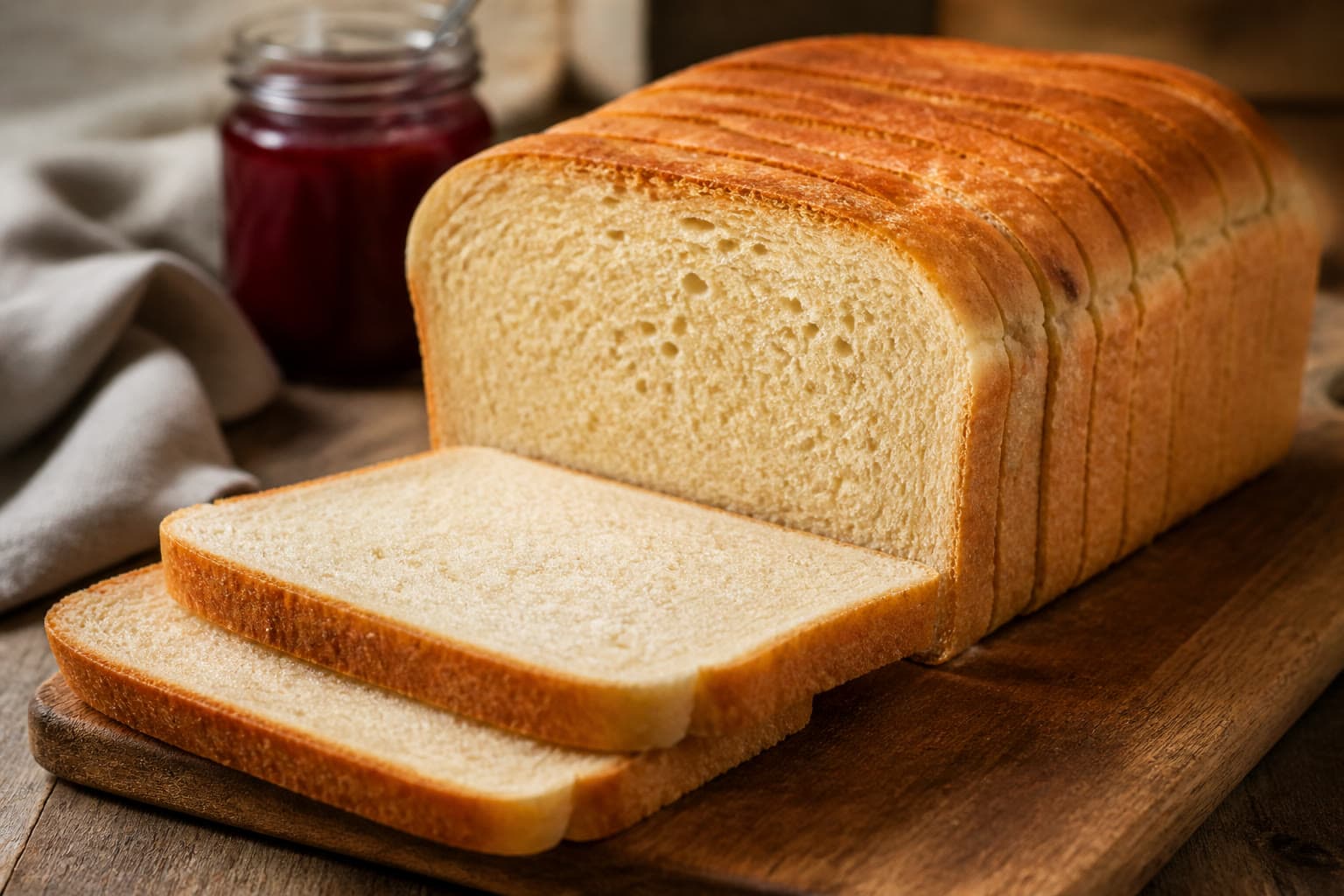
Day-old gluten-free sourdough cubes, tossed in oil and baked until they rattle. The discard-jar mindset applied to leftover bread.
Prep
15m
Crisp cool
20 min
Bake
28m
Servings
8
Difficulty
beginner
The short answer
We do not throw starter down the drain in this Indianapolis kitchen, and we do not throw a stale heel after it either. These croutons are how a cooled gluten-free sourdough loaf gets a second life: beer bread, onion focaccia, pumpkin sorghum, even the chocolate-cherry boule if you want a weird salad. The loaf must have cooled at least two hours before you cube it, or you are steaming wet starch into chewy pillows. Day-old is better. Toss with olive oil, salt, garlic, and herbs, then bake low enough that the centers dry before the edges scorch. They should sound like small stones when you shake the pan. No wheat croutons from a bag, no barley seasoning blends, no rye crumbs. Claire puts them on tomato soup and on leftover greens. This is a discard recipe in spirit: use what you already fermented instead of buying a gluten-full box.
For the method behind gluten-free structure, read the gluten-free sourdough guide and keep a lively culture with the starter guide.
Why it works
- Fully cooled gluten-free crumb has set starch, so cubes dry instead of collapse.
- A moderate oven drives moisture out before sugars in leftover sourdough scorch.
- A light oil coat conducts heat and carries salt without frying the cubes in a puddle.
- Tossing halfway exposes new faces so you do not get one burnt side and one pale side.
Ingredients
- 400gday-old gluten-free sourdough bread, in 3/4-inch cubesFrom a loaf cooled at least 2 hours; beer bread or onion focaccia are favorites
- 40gextra-virgin olive oil
- 4gfine sea salt
- 4ggarlic powderFresh garlic burns; powder coats evenly
- 2gonion powder
- 2gdried thyme or Italian herb blendConfirm the blend is gluten-free
- 1gblack pepper
- 10gfinely grated ParmesanOptional; skip for dairy-free
Equipment
- Rimmed baking sheet
- Large mixing bowl
- Chef's knife
- Digital scale
Instructions
- 1
Heat the oven to 325F (165C). A moderate oven dries the cubes; a ripping 425F browns the outside and leaves gummy centers in gluten-free crumb.
5 min
- 2
Confirm the loaf is fully cool, at least 2 hours old, better overnight. Warm crumb smears on the knife and bakes into foam. Cube into 3/4-inch pieces so they toast evenly.
5 min
- 3
Spread the cubes on a rimmed sheet and look for very damp pieces from the loaf's heart. Those can sit 10 minutes uncovered while you mix the oil.
2 min
- 4
Stir oil, salt, garlic powder, onion powder, herbs, and pepper in a large bowl until it smells savory and the salt is dissolved into the oil.
1 min
- 5
Add the cubes and toss with your hands until every face looks glossed, not dripping. Excess oil makes them fry and then soften.
2 min
- 6
Spread in a single layer. Bake 15 minutes. The kitchen should smell like toast and garlic, not scorched oil.
15 min
- 7
Toss, sprinkle Parmesan if using, and bake 10-13 minutes more until the cubes are dry to the touch, deep gold, and rattle when you shake the pan.
12 min
- 8
Cool on the sheet 20 minutes. They finish crisping as steam leaves. Bite one; the center should snap, not bend. If it bends, return the tray 5 minutes.
20 min
Nutrition
Approximate values per serving. Always verify labels if you bake for celiac safety.
| Nutrient | Amount |
|---|---|
| Calories | 168 kcal |
| Protein | 3 g |
| Carbs | 22 g |
| Fat | 7 g |
| Fiber | 3 g |
| Sodium | 280 mg |
Substitutions
- Olive oil
- Melted butter, 40g, for richer croutons.
- Garlic powder
- 2g smoked paprika and 2g extra thyme for a soup crouton without garlic.
- Parmesan
- 8g nutritional yeast, or omit.
Storage
Cool completely. Airtight at room temperature up to 1 week. Recrisp 5-6 minutes at 300F if they soften. Do not refrigerate; humidity wilts them. Freeze 1 month and recrisp from frozen.
Notes
- Chocolate-cherry bread makes a dessert crouton for ice cream if you skip garlic and use cinnamon instead.
- Herb blends sometimes hide wheat starch. Read the label.
- If the bread is very fresh, cube it and dry 20 minutes at 250F (120C) before the oiled bake.
- Dairy-free: skip Parmesan. Nutritional yeast, 8g, gives a similar savory dust.
FAQ
Can I use store-bought gluten-free bread?
Yes, if it is actually gluten-free and not too soft. Sourdough loaves from this collection dry better because they were baked drier and cooled fully.
Why 325F instead of a hot oven?
Gluten-free crumb holds more moisture than wheat. High heat paints the outside and leaves the center leathery. Low-and-dry makes a crouton that snaps.
Do I have to wait two hours after baking the loaf?
Yes. Cutting a hot gluten-free loaf gums the knife and the cubes. Cool 2 hours, then cube. Overnight is even better.
Can I air-fry them?
Yes, 300F for 8-12 minutes, shaking often. Work in batches so they still sit in a single layer.
How do I keep them crisp in Indiana humidity?
Cool fully, then jar with a paper towel. If they soften, recrisp 6 minutes at 300F. Do not refrigerate.
Bake next
Related recipes
Artisan Loaves
INTERMEDIATE
LOAF
MAR 26, 2026
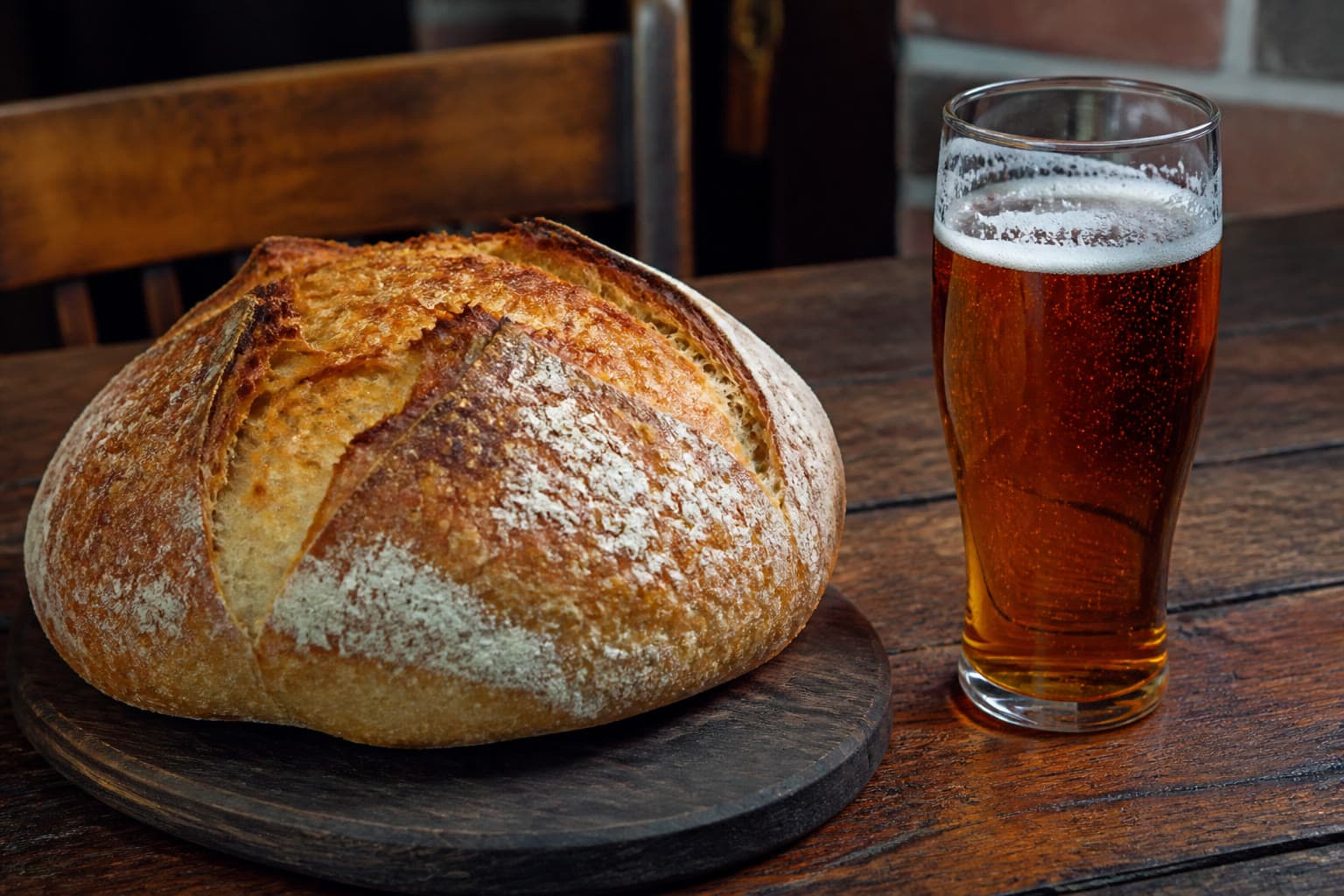
Gluten-Free Sourdough Beer Bread
A malt-adjacent country loaf built with certified gluten-free beer. Barley beer is not a shortcut; it is a celiac problem.
Sweets
BEGINNER
SWEETS
JUL 16, 2026
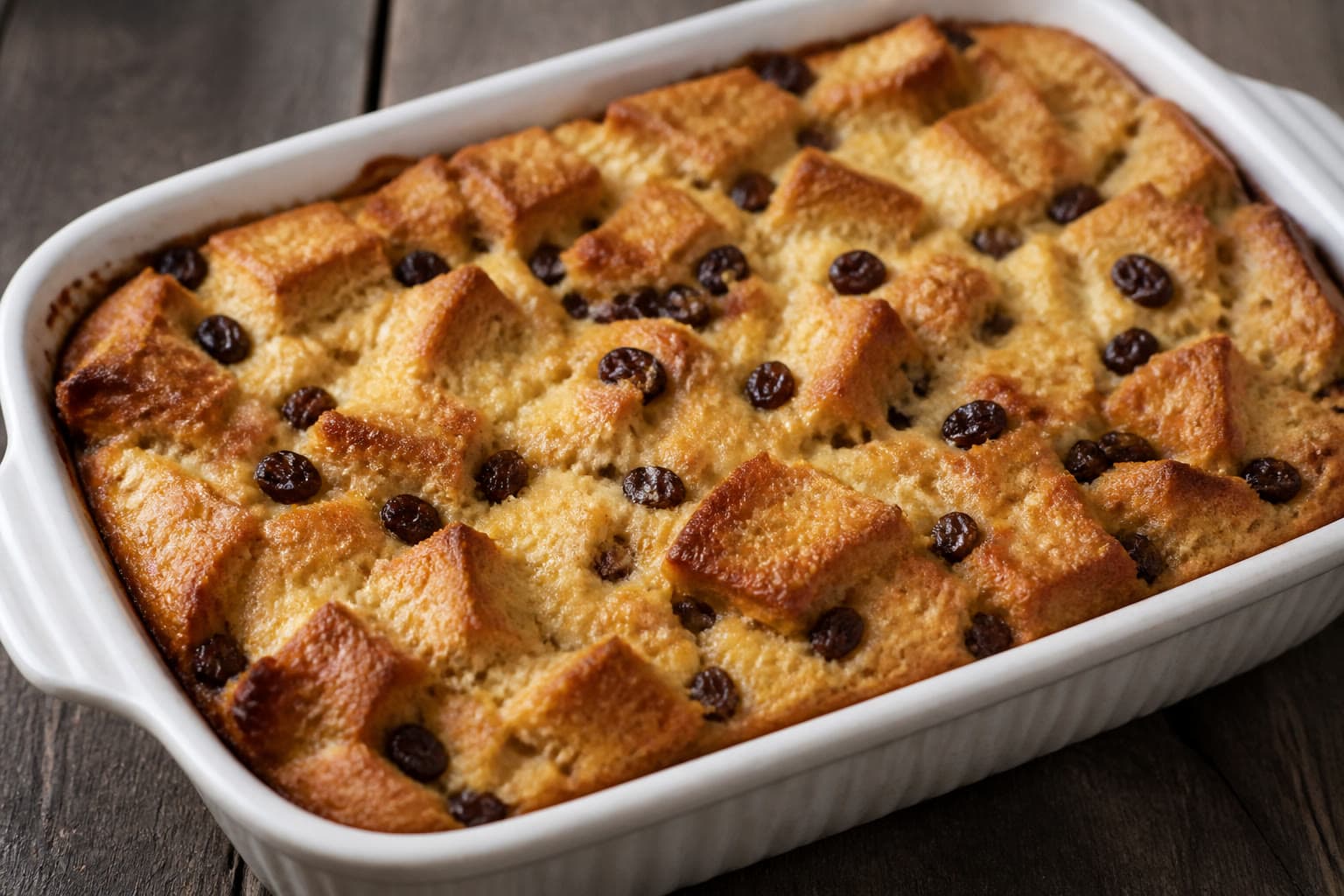
Gluten-Free Sourdough Bread Pudding
Stale gluten-free sourdough cubes soaked in vanilla custard. Pumpkin loaf or chocolate-cherry both work; wheat bread does not.
Flatbreads
INTERMEDIATE
FOCACCIA
AUG 13, 2026
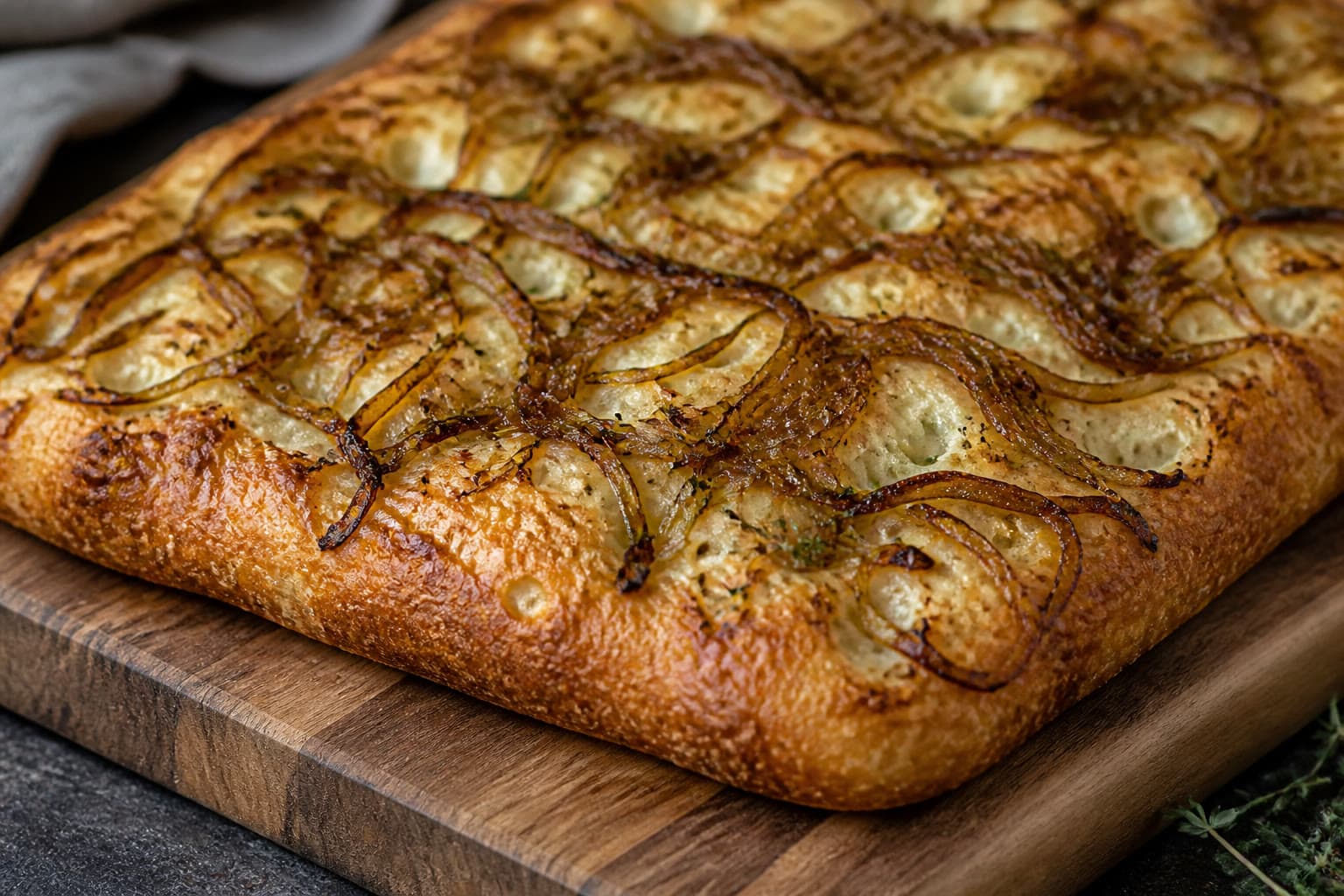
Gluten-Free Sourdough Onion Focaccia
High-hydration pan focaccia under a blanket of slow-cooked onions. Cousin to the house focaccia, built for soup night.
Technique
Keep the method close
Psyllium, fermentation temperature, and a celiac-safe starter matter as much as the formula.
About Andrew Kittridge
Home baker in Indianapolis documenting gluten-free sourdough: psyllium structure, whole-grain blends, and loaves that actually taste like bread.
More about the kitchen