Flatbreads · beginner
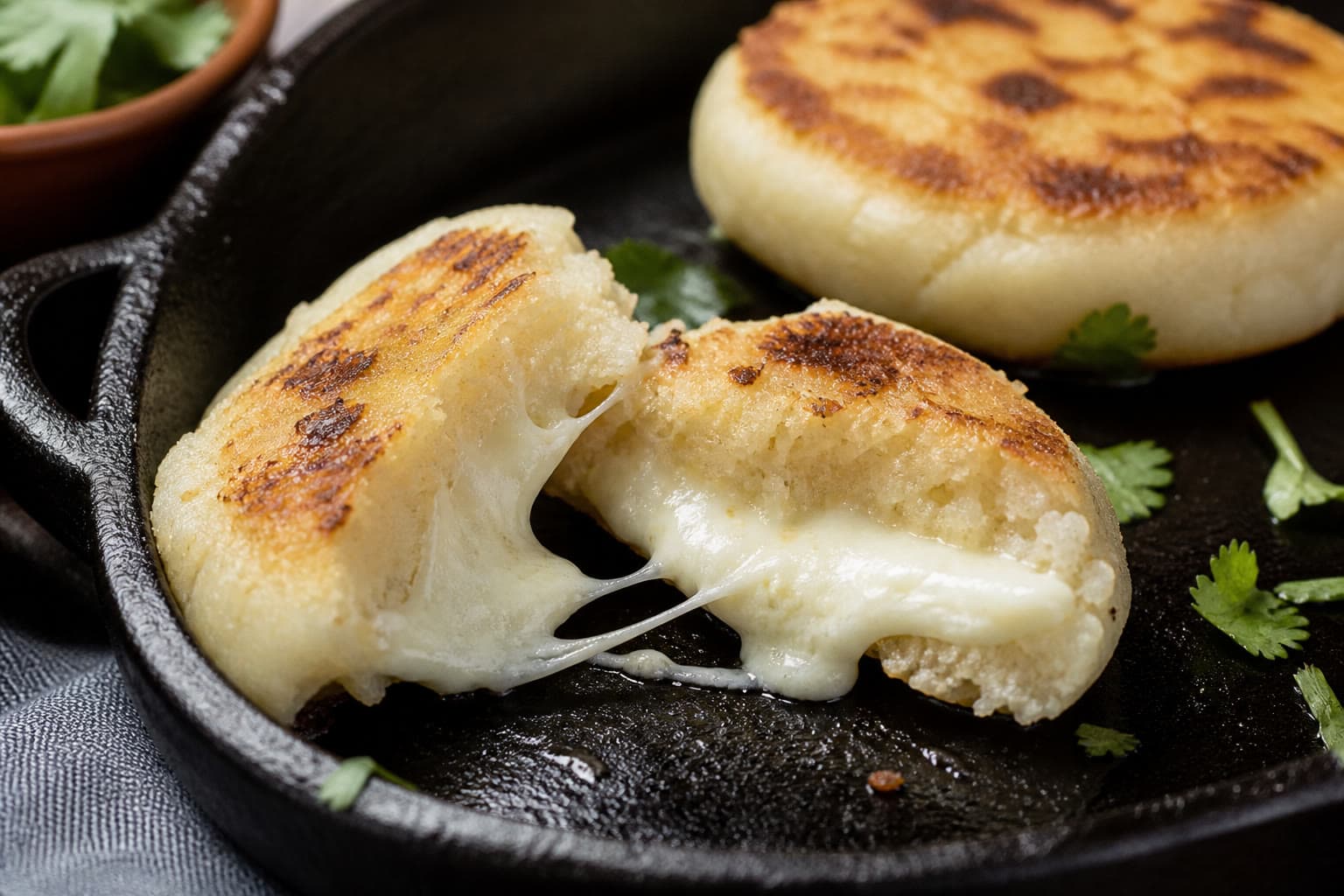
Gluten-Free Sourdough Arepas
Key takeaway
Masa harina is gluten-free corn; adding starter is fusion for tang, not authenticity, and psyllium does not belong in this dough.
Masa harina arepas with sourdough tang. This is fusion, not a Venezuelan or Colombian claim. The corn is gluten-free; the starter is extra.
Prep
25m
Masa hydrate
20 min
Bake
20m
Servings
8
Difficulty
beginner
The short answer
Traditional arepas are masa harina, water, and salt. They are already gluten-free because precooked corn flour is corn, not wheat. This recipe is a Kittridge kitchen fusion: I stir in gluten-free sourdough starter so the cakes pick up a quiet tang, then I rest the masa long enough for the corn to hydrate and the culture to perfume the dough. I am not calling these authentic. I am calling them honest. Use precooked white or yellow masarepa, not raw cornmeal and not corn starch. Psyllium stays out; gelatinized masa already binds, and the 4-7% psyllium rule is for breads that start from raw flour. Griddle until they sound hollow, then split and fill with whatever our Indianapolis fridge is proud of. Claire fills hers with black beans and avocado. No wheat, rye, or barley. If your masa bag mentions a shared wheat facility and you are celiac-sensitive to labeling, pick another brand.
For the method behind gluten-free structure, read the gluten-free sourdough guide and keep a lively culture with the starter guide.
Why it works
- Precooked masa already contains gelatinized starch, so the cakes bind without gluten or psyllium.
- A short rest hydrates the corn; a longer rest lets gluten-free starter add acid without trying to leaven a dough that is not bread.
- Griddling builds a crust that can be split and stuffed; the oven finish cooks the center without scorching the corn.
Ingredients
- 250gprecooked masa harina (masarepa)P.A.N. or similar; not raw cornmeal, not cornstarch
- 5gfine sea salt2.0% of 250g masa
- 300gwarm water (100F / 38C)Hold back 20g if your starter is very wet
- 80ggluten-free sourdough starter, active or discard (100% hydration)
- 12gneutral oil, plus more for the skillet
Equipment
- Digital scale
- Cast-iron skillet
- Sheet pan
- Thin spatula
Instructions
- 1
Confirm you have precooked masa harina (masarepa), not polenta. It should feel fine and slightly gritty, and smell like toasted corn, not raw meal.
1 min
- 2
Stir masa harina and salt in a bowl. Add starter, oil, and most of the water. Mix with your hand until it feels like soft Play-Doh: cracks should knead shut, not crumble, not stick in a paste.
4 min
- 3
Cover and rest 20 minutes so the masa hydrates. The dough should feel cooler and more pliable, like warm clay.
20 min
- 4
Knead 10 seconds. If the dough cracks badly, wet your hands and work in the remaining water a teaspoon at a time until a pinched edge seals.
2 min
- 5
Cover again and leave at 75F (24C) for 60-90 minutes. This is for tang, not for a huge rise. Masa will not double. It should smell faintly sour and corny.
60-90 min
- 6
Divide into 8 pieces of about 80g. Roll into balls, then flatten into 3/4-inch (2 cm) disks. Smooth cracks with a wet palm. Deep cracks mean the dough is dry; wet your hands and reseal.
8 min
- 7
Heat a lightly oiled cast-iron skillet over medium until a drop of water sizzles. Cook arepas 5-6 minutes per side until browned in spots, they smell like toasted corn, and they sound hollow when tapped.
12 min
- 8
Finish 8 minutes in a 350F (175C) oven if the centers still feel dense. Split along the equator with a knife; the interior should look cooked and slightly steaming, not wet masa. Fill while warm.
8 min
Nutrition
Approximate values per serving. Always verify labels if you bake for celiac safety.
| Nutrient | Amount |
|---|---|
| Calories | 148 kcal |
| Protein | 3 g |
| Carbs | 27 g |
| Fat | 3 g |
| Fiber | 2 g |
| Sodium | 244 mg |
Substitutions
- White masarepa
- Yellow masarepa, same weight. Slightly sweeter corn flavor.
- Neutral oil
- Soft butter, 12g, if dairy is fine. Less traditional, more griddle aroma.
- Starter
- 80g extra water plus 15g more masa if you want a plain arepa without tang.
Storage
Best hot. Refrigerate cooked arepas up to 3 days; split and reheat in a dry skillet. Freeze cooked cakes up to 1 month. Do not refrigerate raw masa dough more than 24 hours or it dries and cracks.
Notes
- This is fusion. Venezuelan and Colombian arepas do not need sourdough. The starter is my Indianapolis habit, not a tradition lesson.
- Masa harina labeled masarepa or precooked corn flour is gluten-free. Still check for shared-facility wheat if you are celiac-sensitive to labeling.
- Do not substitute polenta, cornmeal, or cornstarch. They are not gelatinized the same way and will not seal.
- Fillings we actually use: scrambled eggs, black beans, avocado, roasted peppers, leftover shredded chicken. Keep fillings gluten-free too.
FAQ
Are arepas already gluten-free?
Classic masa arepas are corn, water, and salt, so they are gluten-free if the masa is pure corn. This version adds gluten-free sourdough starter for tang. It is fusion, not a replacement for someone's grandmother.
Can I use cornmeal from the baking aisle?
No. You need precooked masa harina (masarepa). Raw cornmeal stays gritty and will not form a sealed cake.
Why no psyllium?
Precooked masa is already gelatinized. Psyllium would make gummy arepas. Save the 4-7% psyllium rule for breads that start from raw starch and flour.
Active starter or discard?
Either. Active starter is a little more aromatic. Discard is how I use up a jar. Do not expect sandwich-loaf oven spring either way.
Why did my arepas split while cooking?
The dough was dry or you flipped too early. Seal cracks with water, cook the first side until a crust forms, and keep them 3/4-inch thick, not tortilla-thin.
Bake next
Related recipes
Flatbreads
INTERMEDIATE
FOCACCIA
AUG 13, 2026
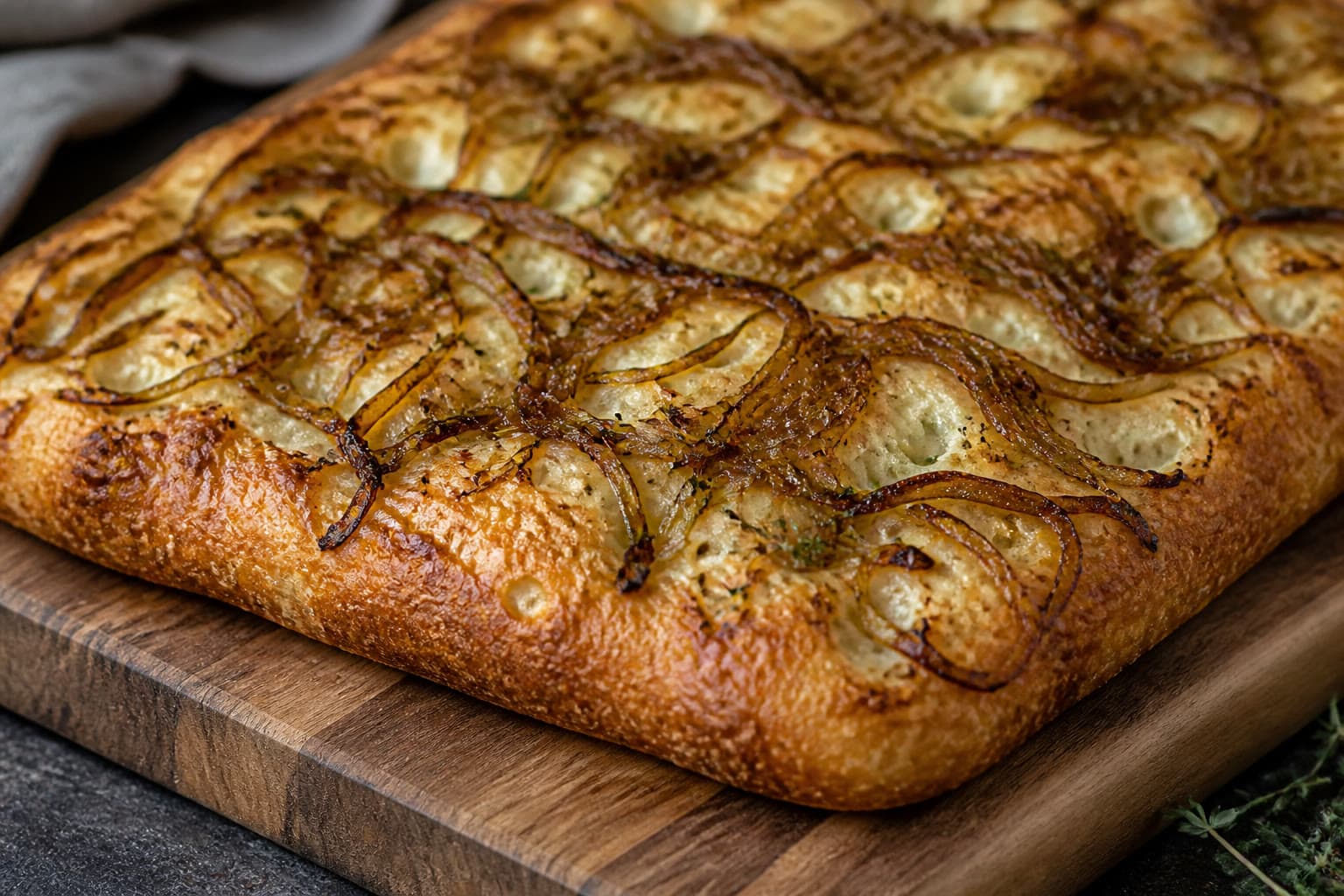
Gluten-Free Sourdough Onion Focaccia
High-hydration pan focaccia under a blanket of slow-cooked onions. Cousin to the house focaccia, built for soup night.
Breakfast
BEGINNER
BREAKFAST
JUN 4, 2026
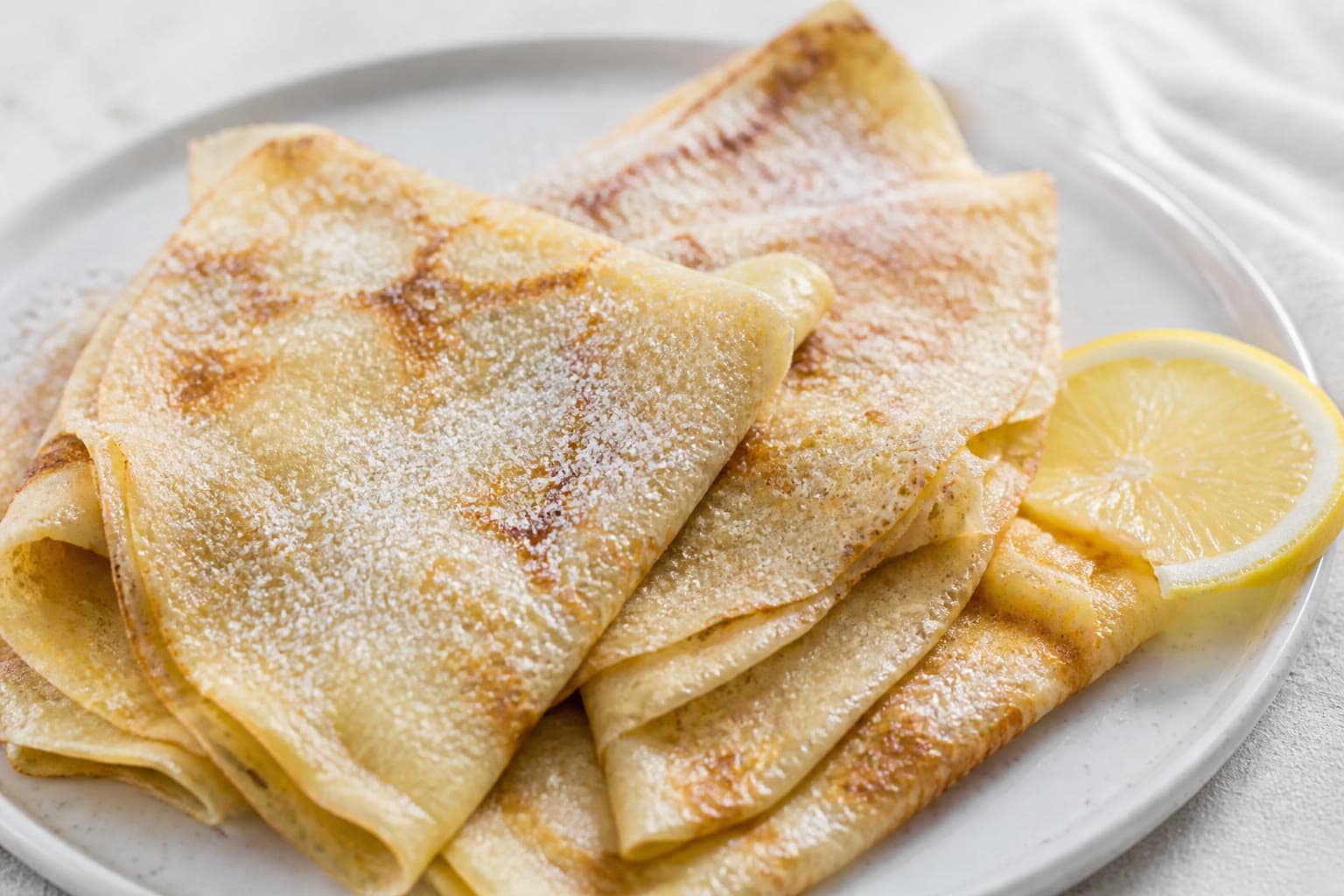
Gluten-Free Sourdough Crepes
Lacy breakfast crepes from gluten-free discard, buckwheat, and rice flour. Buckwheat is not wheat; the first crepe is still for the cook.
Artisan Loaves
INTERMEDIATE
LOAF
MAR 26, 2026
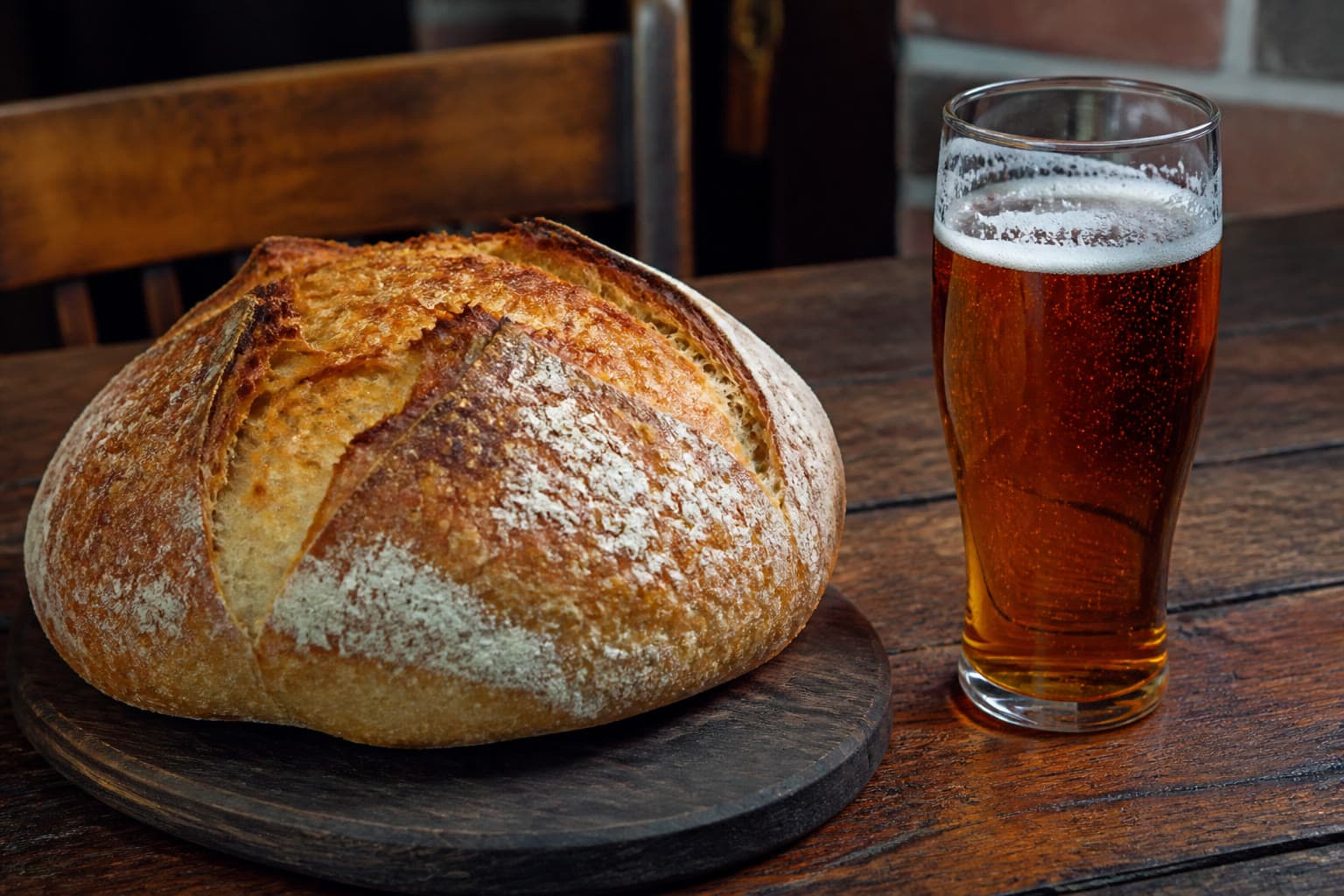
Gluten-Free Sourdough Beer Bread
A malt-adjacent country loaf built with certified gluten-free beer. Barley beer is not a shortcut; it is a celiac problem.
Technique
Keep the method close
Psyllium, fermentation temperature, and a celiac-safe starter matter as much as the formula.
About Andrew Kittridge
Home baker in Indianapolis documenting gluten-free sourdough: psyllium structure, whole-grain blends, and loaves that actually taste like bread.
More about the kitchen